
 EN
EN
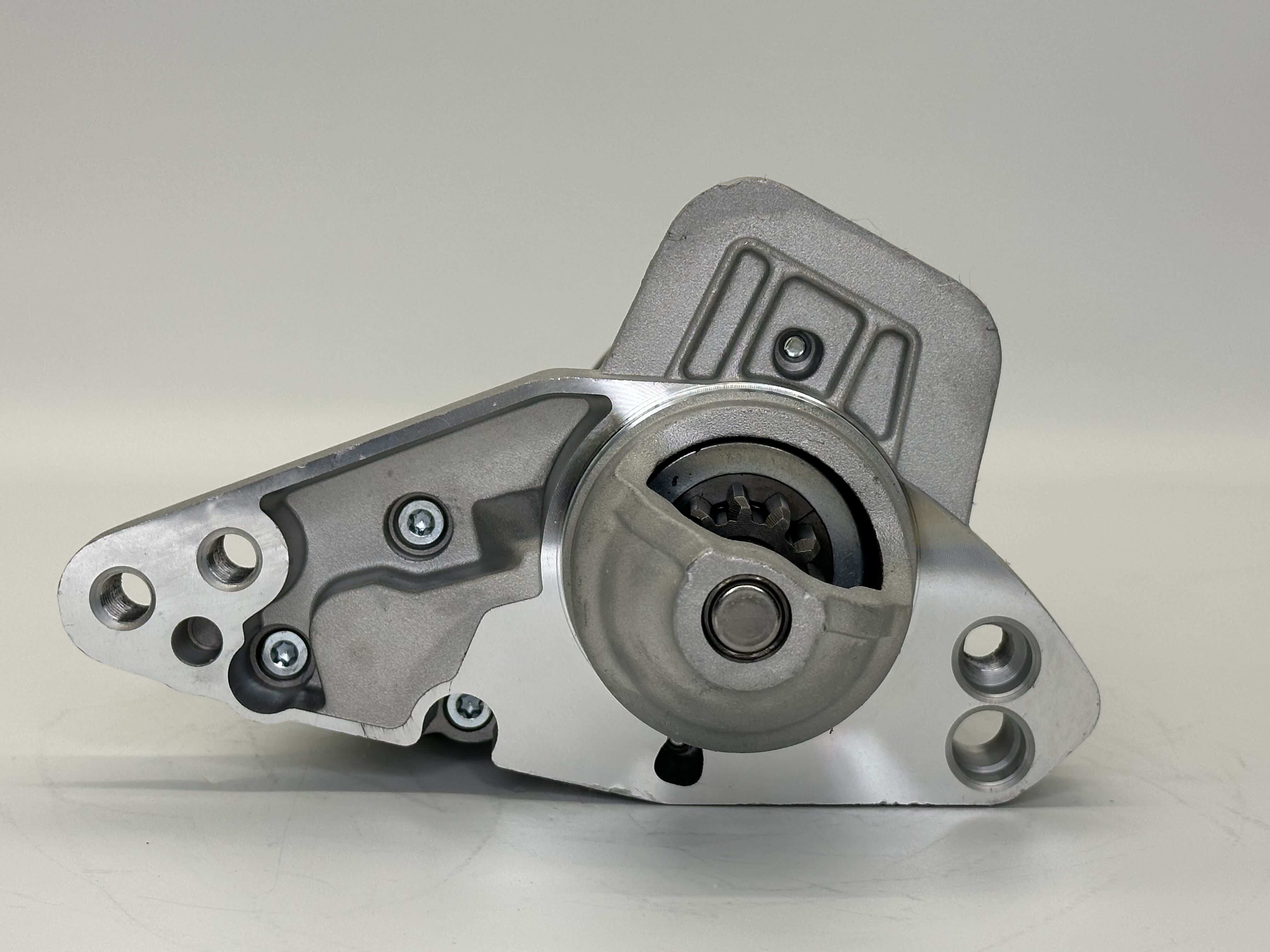
BMW 3 Series and 5 Series vehicles are renowned for their engineering excellence and performance capabilities, yet many owners experience premature failures with their electric water pumps. The BMW electric water pump represents a critical component in the vehicle's cooling system, responsible for circulating coolant through the engine block and radiator to maintain optimal operating temperatures. Understanding why these pumps fail early and identifying reliable upgrade solutions can save BMW owners significant time, money, and frustration while ensuring their vehicles continue to perform at peak efficiency.

Understanding BMW Electric Water Pump Technology and Function
Evolution from Mechanical to Electric Water Pumps
BMW transitioned from traditional mechanical water pumps to electric variants in many of their modern 3 Series and 5 Series models to improve fuel efficiency and reduce emissions. Unlike mechanical pumps that operate continuously when the engine runs, the BMW electric water pump operates on-demand based on engine temperature requirements. This technology allows for more precise cooling control and enables the engine to reach optimal operating temperature more quickly during cold starts.
The electric water pump system integrates with BMW's sophisticated engine management system, receiving signals from various temperature sensors throughout the cooling circuit. When the engine control module determines that additional cooling is required, it activates the BMW electric water pump to circulate coolant at the appropriate flow rate. This precision control contributes to improved fuel economy and reduced emissions compared to older mechanical systems.
Key Components and Operating Principles
Modern BMW electric water pump assemblies consist of several critical components working in harmony to provide reliable cooling performance. The electric motor drives an impeller that creates the necessary pressure differential to move coolant through the system. Electronic control circuits regulate motor speed and operation timing based on input signals from the engine management system.
The BMW electric water pump housing typically incorporates advanced materials designed to withstand the thermal cycling and chemical exposure inherent in automotive cooling systems. Sealing elements prevent coolant leakage while allowing for thermal expansion and contraction during normal operation. Understanding these components helps identify potential failure points and maintenance requirements for optimal longevity.
Common Causes of Premature BMW Electric Water Pump Failure
Electrical System Stress and Voltage Fluctuations
One of the primary reasons BMW electric water pump units fail prematurely involves electrical system irregularities common in high-performance vehicles. Voltage spikes, inadequate grounding, or charging system problems can damage the sensitive electronic components within the pump assembly. BMW's sophisticated electrical architecture, while advanced, can sometimes create conditions that stress auxiliary components like the electric water pump.
Battery degradation and alternator issues compound these electrical problems, creating unstable voltage conditions that the BMW electric water pump must endure. When voltage levels fluctuate outside designed parameters, the pump's control electronics can suffer damage, leading to erratic operation or complete failure. Regular electrical system maintenance and prompt attention to charging system problems can help prevent these failures.
Coolant Quality and Chemical Contamination
Poor coolant maintenance practices significantly contribute to premature BMW electric water pump failure across 3 Series and 5 Series models. Using incorrect coolant formulations, mixing different coolant types, or extending service intervals beyond manufacturer recommendations can create chemically aggressive conditions that attack pump components. BMW specifies particular coolant formulations designed to protect aluminum engine blocks and cooling system components.
Contaminated coolant accelerates corrosion within the BMW electric water pump housing and impeller assembly, leading to reduced efficiency and eventual mechanical failure. Debris from corroded cooling system components can lodge in the pump mechanism, causing increased wear and potential seizure. Maintaining proper coolant chemistry through regular service intervals and using BMW-approved coolant formulations helps prevent these chemical-related failures.
Thermal Cycling Stress and Material Fatigue
BMW engines operate under demanding conditions that subject the electric water pump to extreme thermal cycling stress. Repeated heating and cooling cycles cause expansion and contraction of pump materials, gradually weakening seals, housings, and electronic components. Performance-oriented driving patterns common among BMW owners can exacerbate these thermal stresses through frequent temperature fluctuations.
The BMW electric water pump experiences particularly severe thermal stress during engine warm-up cycles when temperature gradients are most extreme. Plastic components within the pump assembly are especially susceptible to thermal fatigue, developing cracks or becoming brittle over time. Understanding these thermal stress patterns helps identify preventive maintenance strategies and component upgrade opportunities.
Identifying Early Warning Signs of Water Pump Problems
Performance Symptoms and Diagnostic Indicators
Recognizing early warning signs of BMW electric water pump degradation allows owners to address problems before catastrophic failure occurs. Engine overheating episodes, particularly during low-speed operation or idle conditions, often indicate insufficient coolant circulation caused by pump problems. The BMW electric water pump may operate intermittently or at reduced capacity before failing completely, creating subtle performance issues that careful observation can detect.
Dashboard warning lights related to engine temperature or cooling system function provide early indication of potential BMW electric water pump problems. Modern BMW diagnostic systems monitor water pump operation and can detect performance degradation before visible symptoms appear. Regular diagnostic scanning during routine maintenance can identify developing issues and prevent more serious cooling system damage.
Physical Inspection Points and Maintenance Checks
Visual inspection of the BMW electric water pump and surrounding cooling system components can reveal important clues about pump condition and potential failure modes. Coolant leaks around the pump housing, corroded electrical connections, or unusual noise during pump operation indicate developing problems requiring attention. Regular inspection during oil changes or other routine service provides opportunities to identify issues early.
Monitoring coolant levels and quality provides additional insight into BMW electric water pump health and overall cooling system condition. Rapid coolant loss, discolored coolant, or debris in the coolant reservoir may indicate internal pump damage or cooling system contamination. Maintaining detailed service records helps track coolant consumption patterns and identify developing problems before they become serious.
Professional Replacement Strategies and Best Practices
Quality Component Selection and Sourcing
Selecting high-quality replacement components represents the most critical factor in achieving long-term BMW electric water pump reliability. Original Equipment Manufacturer parts provide the best compatibility and durability, though quality aftermarket alternatives can offer improved performance and longevity. Researching component specifications, manufacturing standards, and warranty coverage helps ensure optimal replacement part selection.
Professional-grade BMW electric water pump replacements often incorporate design improvements that address common failure modes found in original equipment. Enhanced materials, improved sealing systems, and upgraded electronic components can provide superior durability compared to factory parts. Working with reputable suppliers who specialize in BMW cooling system components ensures access to the highest quality replacement parts.
Installation Procedures and System Integration
Proper installation procedures are essential for maximizing BMW electric water pump longevity and preventing premature failure of replacement components. Complete cooling system flushing removes contamination that could damage new pump components, while proper bleeding procedures ensure optimal system operation. Following BMW-specific installation procedures and torque specifications prevents installation-related problems.
Comprehensive system testing after BMW electric water pump replacement verifies proper operation and identifies any remaining issues that could affect new component longevity. Electronic diagnostic procedures confirm proper pump control signal operation and system integration. Professional installation by qualified BMW technicians ensures that all related components receive proper attention during the replacement process.
Preventive Maintenance for Extended Water Pump Life
Cooling System Service Intervals and Procedures
Establishing appropriate service intervals for cooling system maintenance significantly extends BMW electric water pump life and prevents many common failure modes. Regular coolant changes using BMW-approved formulations maintain proper chemical balance and prevent corrosive conditions that attack pump components. Following manufacturer-recommended service intervals, rather than extending them, provides the best protection for expensive cooling system components.
Comprehensive cooling system service includes more than simple coolant changes, encompassing inspection of hoses, connections, and related components that affect BMW electric water pump operation. Pressure testing verifies system integrity and identifies developing leaks before they become serious. Regular thermostat replacement prevents cooling system irregularities that can stress the electric water pump unnecessarily.
Electrical System Maintenance and Protection
Maintaining BMW's complex electrical system in optimal condition protects the BMW electric water pump from damaging voltage fluctuations and electrical stress. Regular battery testing and replacement prevents voltage irregularities that can damage sensitive pump electronics. Ensuring proper grounding connections and clean electrical contacts reduces electrical resistance that can cause pump control problems.
Alternator maintenance and charging system monitoring prevent electrical conditions that stress the BMW electric water pump unnecessarily. Professional electrical system diagnostics during routine service can identify developing problems before they affect cooling system components. Addressing electrical issues promptly prevents cascading problems that could damage multiple vehicle systems simultaneously.
FAQ
How long should a BMW electric water pump typically last
A properly maintained BMW electric water pump should typically last between 80,000 to 120,000 miles under normal operating conditions. However, factors such as driving patterns, maintenance quality, and cooling system care significantly influence actual lifespan. Vehicles that receive regular cooling system service using BMW-approved coolants and procedures often exceed these mileage expectations, while neglected systems may experience premature failures as early as 40,000 to 60,000 miles.
Can I continue driving if my BMW electric water pump fails
Driving with a failed BMW electric water pump poses serious risks to engine integrity and should be avoided whenever possible. Without proper coolant circulation, engine temperatures can rise rapidly, potentially causing catastrophic damage including warped cylinder heads, blown head gaskets, or complete engine seizure. If pump failure occurs during operation, stop the vehicle safely as soon as possible and arrange for professional towing to prevent expensive engine damage that far exceeds water pump replacement costs.
What are the costs associated with BMW electric water pump replacement
BMW electric water pump replacement costs typically range from $800 to $1,500 depending on the specific model, labor rates, and component quality selected. This price includes the pump assembly, necessary coolant, and professional installation labor. While aftermarket pumps may cost less initially, investing in high-quality OEM or premium aftermarket components often provides better long-term value through improved durability and reduced likelihood of premature failure requiring additional repairs.
How can I prevent premature BMW electric water pump failure
Preventing premature BMW electric water pump failure requires consistent attention to cooling system maintenance and electrical system health. Use only BMW-approved coolants, follow recommended service intervals, and address cooling system issues promptly when they arise. Additionally, maintain the vehicle's electrical system in good condition by ensuring clean battery terminals, proper grounding, and addressing charging system problems quickly. Regular diagnostic scans can identify developing issues before they cause component damage, allowing for preventive rather than reactive repairs.