
 EN
EN
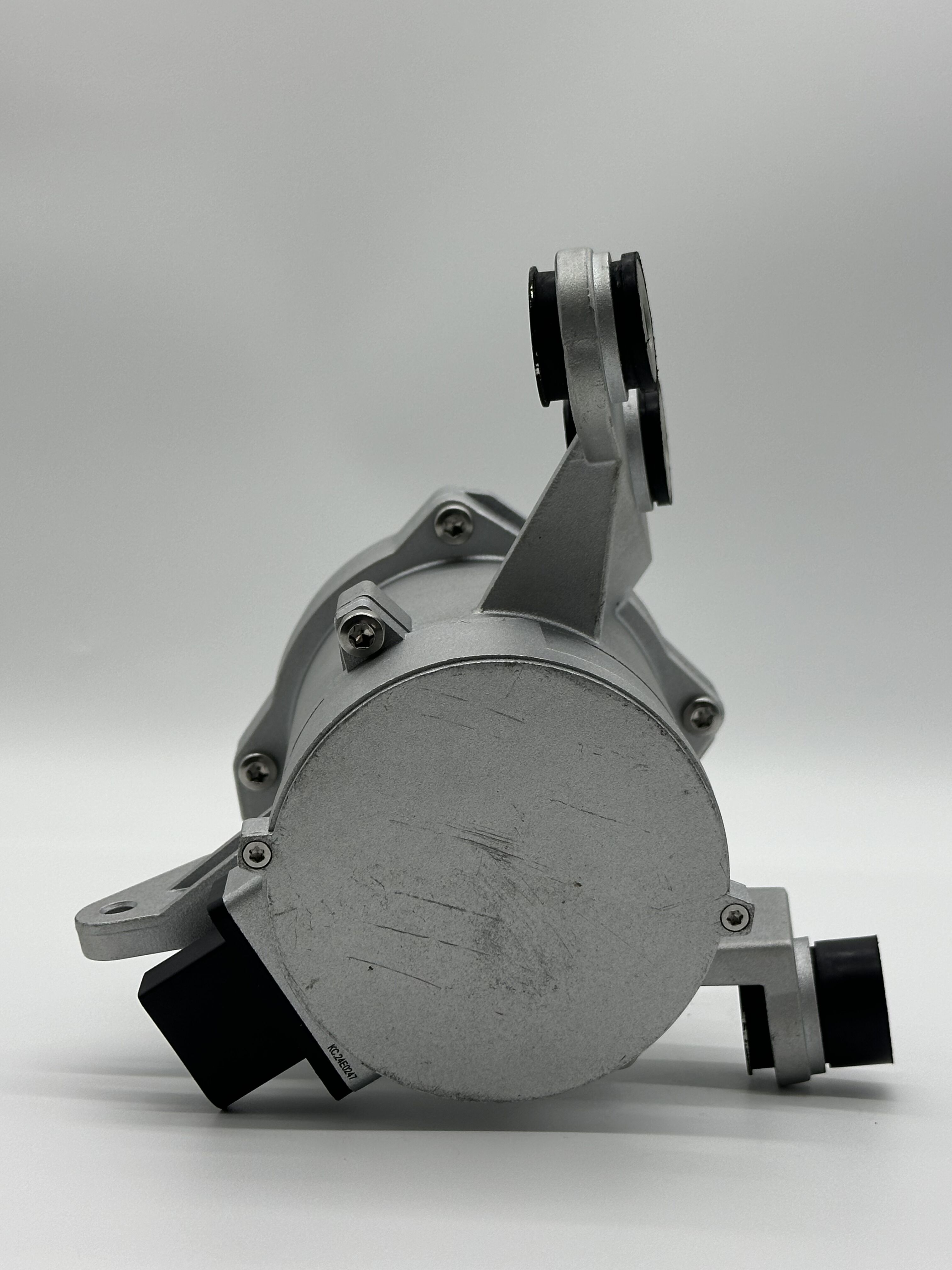
When your luxury German vehicle fails to start, the culprit is often a failing starter motor. BMW, Mercedes-Benz, and Audi owners frequently encounter starter motor issues that can leave them stranded at the most inconvenient times. Understanding the symptoms and replacement costs associated with starter motor problems is crucial for maintaining your premium vehicle's reliability and performance.
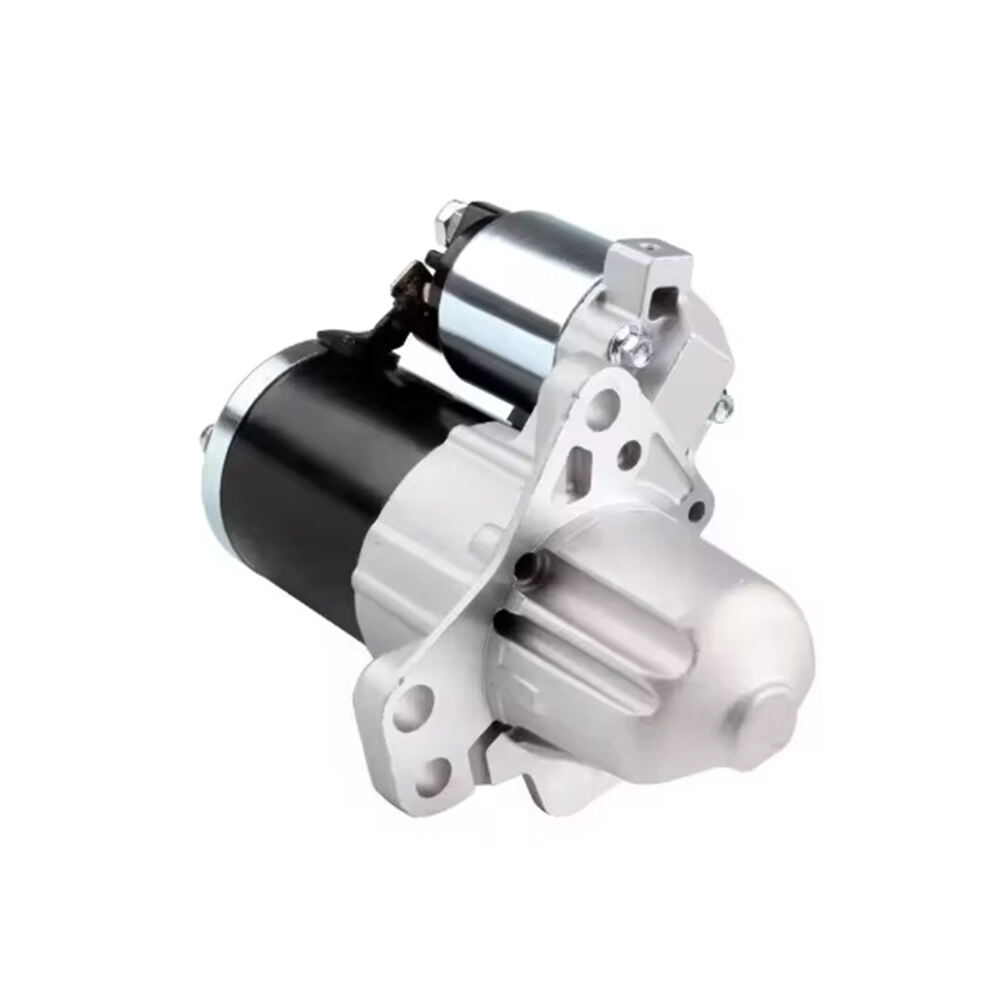
Understanding Starter Motor Functionality in German Luxury Vehicles
The Role of the Starter Motor System
The starter motor serves as the critical component that initiates your engine's combustion process. In BMW, Mercedes-Benz, and Audi vehicles, this sophisticated electrical component receives power from the battery and converts it into mechanical energy to turn the engine's flywheel. The starter motor engages with the ring gear surrounding the flywheel, creating the initial rotation necessary for the engine to begin its four-stroke cycle.
German luxury vehicles employ advanced starter motor designs that incorporate enhanced durability features and precision engineering. These systems work in conjunction with sophisticated engine management systems, making proper starter motor function essential for optimal vehicle performance. When the starter motor begins to fail, the entire starting sequence becomes compromised, affecting your vehicle's reliability.
Advanced Technologies in BBA Starter Systems
BMW's latest models feature intelligent starter motor systems that integrate with their efficient dynamics technology, optimizing fuel consumption and reducing emissions. Mercedes-Benz incorporates their advanced starter motor designs with their ECO start-stop systems, requiring robust components that can handle frequent cycling. Audi's quattro all-wheel-drive systems place additional demands on the starter motor, necessitating heavy-duty construction and enhanced electrical capacity.
These sophisticated starter motor systems utilize permanent magnet designs and advanced solenoid configurations to provide reliable performance under various operating conditions. The integration of these systems with modern vehicle electronics means that starter motor problems can sometimes trigger multiple warning lights and diagnostic codes throughout the vehicle's computer network.
Six Critical Symptoms of Starter Motor Problems
Engine Cranking Issues and Grinding Noises
The most obvious symptom of starter motor failure is difficulty cranking the engine or complete failure to crank. When you turn the ignition key or press the start button, you may hear a clicking sound, grinding noise, or complete silence. Grinding noises typically indicate that the starter motor's drive gear is not properly engaging with the flywheel ring gear, often due to worn teeth or misalignment issues.
BMW owners frequently report intermittent cranking issues that progressively worsen over time. The starter motor may work sporadically, creating a false sense of security before complete failure occurs. Mercedes-Benz vehicles sometimes exhibit slow cranking symptoms, where the engine turns over but at a reduced speed, indicating internal starter motor component degradation.
Electrical System Anomalies
Starter motor problems often manifest as electrical system irregularities throughout the vehicle. You may notice dashboard warning lights, erratic gauge behavior, or malfunctioning electronic accessories when attempting to start the engine. These symptoms occur because a failing starter motor can draw excessive current from the electrical system, affecting other components.
Audi vehicles with their advanced MMI systems may display specific error messages related to starter motor function. The vehicle's onboard diagnostics can detect abnormal current draw patterns and starter motor engagement timing, providing valuable diagnostic information. However, these sophisticated systems also mean that starter motor replacement requires proper programming and calibration procedures.
Starting System Inconsistencies
Intermittent starting problems represent another common symptom of starter motor deterioration. Your vehicle may start perfectly one day and fail to start the next, creating unpredictable reliability issues. This inconsistent behavior often results from worn starter motor brushes, failing solenoid contacts, or internal wiring problems within the starter motor assembly.
Temperature-related starting issues also indicate starter motor problems, particularly in extreme weather conditions. Cold weather can exacerbate existing starter motor weaknesses, while excessive heat can cause thermal expansion and electrical resistance problems. German luxury vehicles, designed for various climate conditions, incorporate thermal management features that help mitigate these issues when the starter motor is functioning properly.
Brand-Specific Starter Motor Characteristics
BMW Starter Motor Design and Common Issues
BMW vehicles utilize high-torque starter motor designs optimized for their advanced engine technologies, including turbocharging and direct injection systems. The starter motor in BMW models must generate sufficient torque to overcome the higher compression ratios found in modern efficient engines. Common BMW starter motor problems include solenoid failure, brush wear, and drive gear issues specific to their unique mounting configurations.
BMW's integrated starter-generator systems in hybrid models present additional complexity when starter motor replacement becomes necessary. These systems combine traditional starter motor function with regenerative braking capabilities, requiring specialized diagnostic procedures and replacement components. The starter motor replacement process in BMW vehicles often involves accessing components through the engine bay or requiring partial engine mount removal.
Mercedes-Benz Starter Motor Engineering
Mercedes-Benz incorporates robust starter motor designs engineered to handle their powerful engine lineup, from efficient four-cylinder units to high-performance V8 and V12 configurations. The starter motor systems in Mercedes vehicles feature enhanced durability components designed for the luxury market's reliability expectations. Common Mercedes starter motor issues include heat-related failures due to underhood temperature management and electrical connector corrosion.
The complexity of Mercedes-Benz electrical systems means that starter motor problems can sometimes be confused with other electrical issues. Proper diagnostic procedures using Mercedes-specific equipment help isolate starter motor problems from related electrical component failures. The starter motor replacement process in Mercedes vehicles often requires specialized tools and programming procedures to ensure proper system integration.
Audi Starter Motor Technology
Audi's quattro all-wheel-drive systems place unique demands on starter motor performance, particularly in models with longitudinally mounted engines. The starter motor must provide reliable operation across various driving conditions while maintaining the precision required for Audi's advanced engine management systems. Audi starter motor problems often relate to the increased electrical demands of their sophisticated vehicle systems.
Audi's use of start-stop technology requires starter motor designs capable of frequent cycling throughout the vehicle's operational life. These systems incorporate enhanced starter motor components with improved durability characteristics, but also require specific maintenance procedures and diagnostic protocols. The starter motor replacement process in Audi vehicles typically involves accessing components through carefully designed service positions that minimize labor requirements.
Comprehensive Cost Analysis for Starter Motor Replacement
BMW Starter Motor Replacement Costs
BMW starter motor replacement costs vary significantly based on model year, engine configuration, and service location. Entry-level BMW models typically require starter motor replacement investments ranging from eight hundred to fifteen hundred dollars, including parts and labor. High-performance BMW models with specialized starter motor systems can exceed two thousand dollars for complete replacement services.
The labor component of BMW starter motor replacement often represents forty to sixty percent of the total cost, reflecting the complexity of accessing starter motor mounting locations in modern BMW designs. Additional costs may include programming fees for vehicles with integrated starter-generator systems or advanced engine management integration. BMW dealership service typically commands premium pricing compared to independent specialists, but ensures proper diagnostic procedures and warranty coverage.
Mercedes-Benz Starter Motor Investment Requirements
Mercedes-Benz starter motor replacement represents a significant investment, with costs ranging from one thousand to twenty-five hundred dollars depending on model complexity. The premium nature of Mercedes components and the sophisticated diagnostic requirements contribute to higher replacement costs compared to mainstream vehicle brands. Specialty Mercedes service centers often provide competitive pricing while maintaining the expertise necessary for proper starter motor installation.
Mercedes-Benz vehicles with advanced electrical systems require specific programming and calibration procedures following starter motor replacement. These additional services can add two to four hundred dollars to the total replacement cost but ensure proper system integration and optimal performance. The use of genuine Mercedes starter motor components, while more expensive, provides assurance of proper fit and long-term reliability.
Audi Starter Motor Replacement Economics
Audi starter motor replacement costs generally fall between nine hundred and two thousand dollars, with quattro models and performance variants requiring higher investments. The complexity of Audi's electrical systems and the precision required for proper starter motor installation contribute to labor costs that often exceed parts costs. Audi's advanced diagnostic requirements necessitate specialized equipment and expertise that may not be available at all service locations.
Audi vehicles with start-stop technology require specific starter motor components designed for frequent cycling applications. These enhanced starter motor systems command premium pricing but provide improved durability and performance characteristics. The long-term economic benefits of proper Audi starter motor replacement include improved reliability, reduced roadside assistance requirements, and maintained vehicle value.
Preventive Maintenance and Longevity Strategies
Optimizing Starter Motor Lifespan
Proper maintenance practices significantly extend starter motor service life in German luxury vehicles. Regular battery maintenance ensures optimal voltage supply to the starter motor, reducing stress on internal components during engine cranking cycles. Clean electrical connections prevent voltage drop conditions that force the starter motor to work harder and generate excessive heat during operation.
Engine maintenance directly impacts starter motor longevity by ensuring proper engine compression and lubrication conditions. Well-maintained engines require less cranking effort from the starter motor, reducing wear on drive gears and internal components. Regular oil changes and proper engine timing contribute to easier starting conditions that preserve starter motor life expectancy.
Environmental Factors and Protection
Environmental conditions significantly affect starter motor performance and longevity in BMW, Mercedes-Benz, and Audi vehicles. Extreme temperature conditions, both hot and cold, place additional stress on starter motor components and electrical systems. Protecting vehicles from harsh environmental conditions through proper storage and maintenance practices helps preserve starter motor function over extended periods.
Moisture and corrosion represent significant threats to starter motor electrical connections and internal components. Regular inspection of starter motor mounting areas and electrical connections helps identify potential problems before they result in complete failure. Professional maintenance services can apply protective treatments to starter motor connections and mounting hardware to prevent corrosion-related failures.
FAQ
How long do starter motors typically last in German luxury vehicles
Starter motors in BMW, Mercedes-Benz, and Audi vehicles typically provide reliable service for 100,000 to 150,000 miles under normal operating conditions. However, vehicles with start-stop technology may experience shorter starter motor service life due to increased cycling frequency. Proper maintenance and driving habits can extend starter motor longevity beyond typical expectations, while harsh operating conditions may reduce service life significantly.
Can I replace a starter motor myself in a German luxury vehicle
While technically possible, starter motor replacement in modern German luxury vehicles requires specialized tools, diagnostic equipment, and extensive automotive knowledge. The complexity of accessing starter motor mounting locations and the programming requirements for modern vehicle systems make professional installation highly recommended. Improper installation can result in electrical system damage, warranty voiding, and potential safety hazards that far exceed the cost savings of DIY replacement.
What causes premature starter motor failure in BBA vehicles
Premature starter motor failure often results from electrical system problems, including weak batteries, corroded connections, or charging system issues. Heat exposure from exhaust components or engine bay temperature extremes can accelerate starter motor component degradation. Frequent short trips that don't allow proper battery charging can force the starter motor to work harder, reducing service life. Additionally, engine problems that increase cranking resistance place excessive demands on starter motor components.
Should I choose OEM or aftermarket starter motor replacements
OEM starter motor components provide the highest assurance of proper fit, performance, and longevity in German luxury vehicles. While aftermarket alternatives may offer cost savings, the complexity of modern BMW, Mercedes-Benz, and Audi electrical systems requires precise specifications that OEM components guarantee. Quality aftermarket starter motor options exist, but require careful research to ensure compatibility with vehicle-specific electrical requirements and programming procedures. The investment in OEM components often proves economical through improved reliability and reduced future service requirements.