
 EN
EN
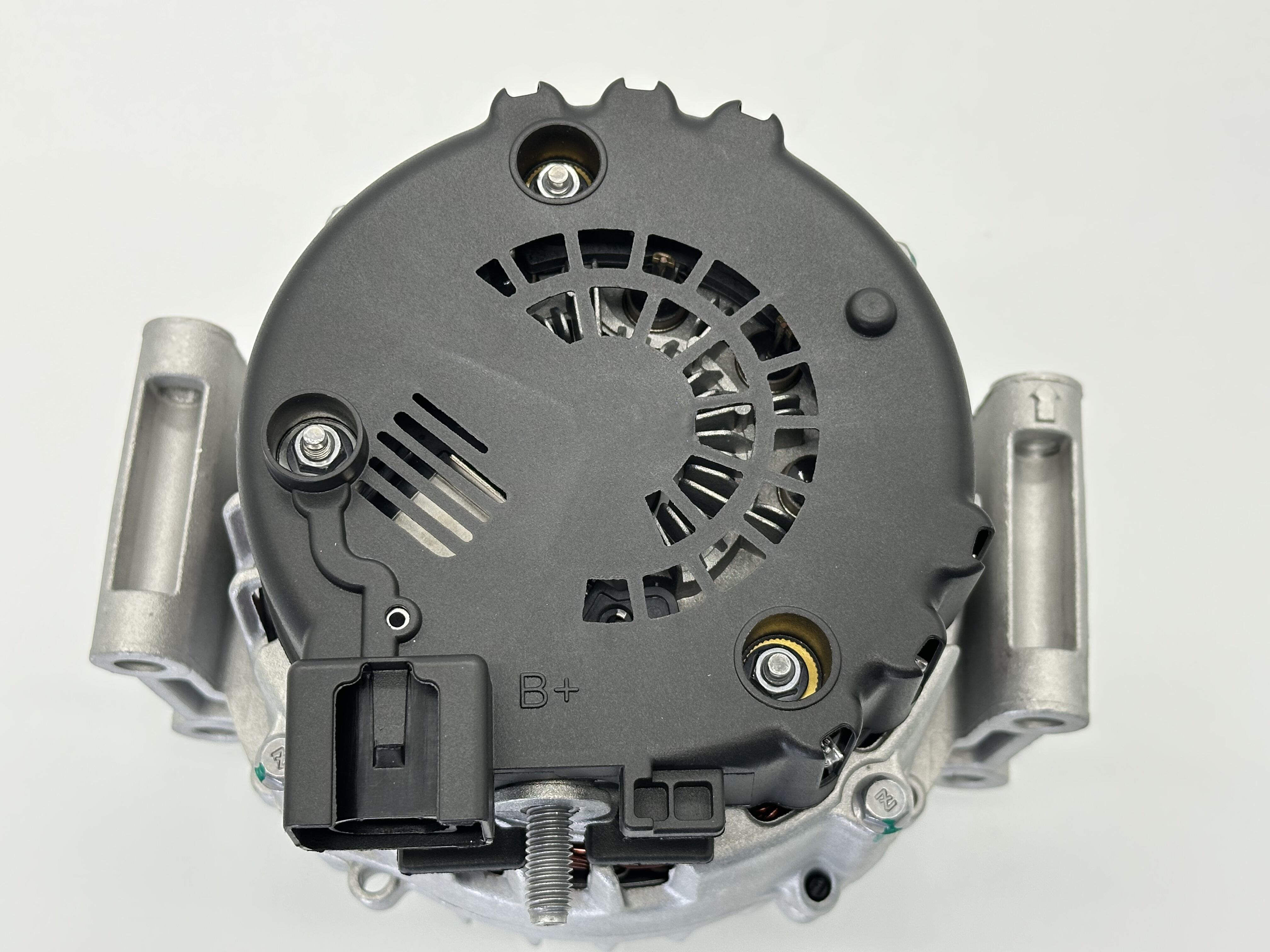
Finding a reliable factory for aftermarket BMW parts requires a strategic approach that combines thorough research, quality verification, and careful supplier evaluation. The aftermarket BMW parts industry offers significant cost savings compared to original equipment manufacturer components, but success depends entirely on partnering with factories that maintain strict quality standards and manufacturing consistency. Professional buyers and automotive businesses must navigate complex supplier landscapes while ensuring that aftermarket BMW parts meet performance specifications and reliability requirements.
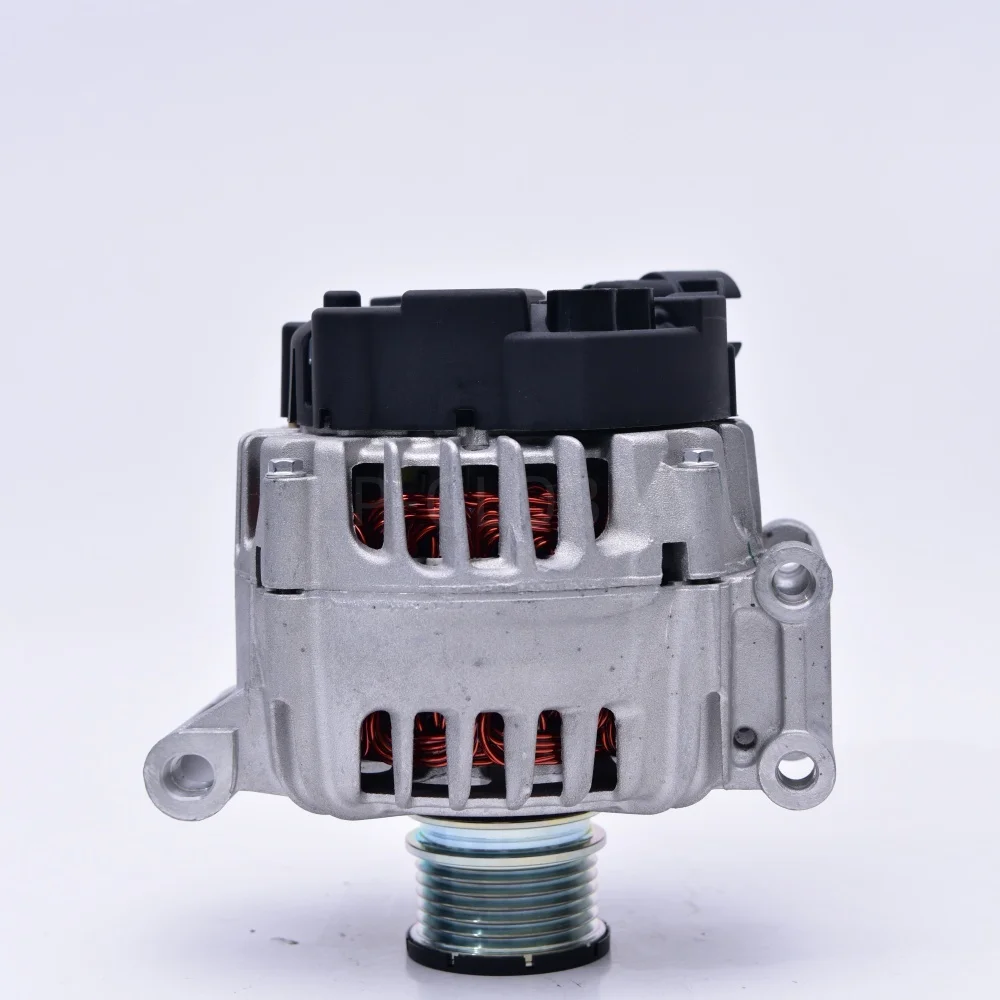
The process of identifying trustworthy aftermarket BMW parts manufacturers involves multiple verification stages and due diligence procedures that protect against quality issues and supply chain disruptions. Successful sourcing requires understanding factory capabilities, certification requirements, production processes, and quality control systems that distinguish professional manufacturers from unreliable suppliers. This comprehensive evaluation approach ensures that aftermarket BMW parts deliver the performance and durability that automotive professionals and end customers expect from premium vehicle components.
Manufacturing Capabilities and Quality Standards Assessment
Production Technology and Equipment Evaluation
Reliable factories for aftermarket BMW parts demonstrate advanced manufacturing capabilities through modern equipment, precision tooling, and automated production systems. Professional manufacturers invest in CNC machining centers, injection molding equipment, and quality testing apparatus that ensure consistent component specifications and dimensional accuracy. The assessment process should include factory tours or detailed equipment documentation that verifies the manufacturer's capacity to produce aftermarket BMW parts meeting original equipment specifications and performance standards.
Manufacturing technology evaluation also encompasses the factory's ability to handle complex geometries, tight tolerances, and specialized materials commonly found in BMW components. Aftermarket BMW parts often require sophisticated metallurgy, precision casting, or advanced polymer processing that demands specific technical expertise and equipment capabilities. Factories with comprehensive manufacturing capabilities can adapt to different component types while maintaining quality consistency across diverse aftermarket BMW parts product lines.
Quality Control Systems and Testing Procedures
Professional aftermarket BMW parts manufacturers implement comprehensive quality control systems that include incoming material inspection, in-process monitoring, and final product testing protocols. These systems should encompass dimensional verification, material composition analysis, functional testing, and durability validation procedures that ensure each component meets specified performance criteria. Quality documentation and traceability systems allow manufacturers to track production batches and identify potential issues before aftermarket BMW parts reach the market.
Testing procedures for aftermarket BMW parts must align with automotive industry standards and may include stress testing, environmental conditioning, and performance validation under simulated operating conditions. Reliable factories maintain testing laboratories or partnerships with certified testing facilities that can verify component performance against original equipment specifications. This testing capability demonstrates the manufacturer's commitment to producing aftermarket BMW parts that meet or exceed original component performance and reliability requirements.
Certification Requirements and Compliance Verification
Industry Standard Certifications
Reputable aftermarket BMW parts manufacturers hold relevant industry certifications such as ISO 9001 quality management, ISO/TS 16949 automotive quality systems, or equivalent standards that demonstrate systematic quality approaches. These certifications require regular audits and continuous improvement processes that ensure manufacturing consistency and quality reliability. Verification of current certification status and audit results provides insight into the factory's commitment to maintaining quality standards for aftermarket BMW parts production.
Additional certifications may include environmental management systems, safety standards, and specific automotive component certifications that validate the manufacturer's compliance with industry requirements. Some aftermarket BMW parts may require specialized certifications for safety-critical components or emissions-related systems. Professional manufacturers understand these requirements and maintain appropriate certifications that support legal compliance and market acceptance of their aftermarket BMW parts products.
Regulatory Compliance and Documentation
Factory compliance verification includes reviewing documentation for material certifications, environmental regulations, and export/import requirements that affect aftermarket BMW parts shipments. Professional manufacturers maintain comprehensive documentation systems that track component specifications, material sources, and production records required for regulatory compliance. This documentation capability becomes essential when aftermarket BMW parts require traceability or when regulatory authorities request production information.
Regulatory compliance also encompasses understanding regional requirements for automotive components, including safety standards, emissions regulations, and import documentation requirements. Reliable factories for aftermarket BMW parts maintain expertise in these regulatory areas and can provide necessary documentation to support legal importation and distribution. This compliance capability reduces administrative burden and potential delays in aftermarket BMW parts procurement and distribution.
Supply Chain Management and Production Capacity
Production Scheduling and Capacity Planning
Professional aftermarket BMW parts manufacturers demonstrate reliable production scheduling and capacity management that ensures consistent delivery performance. This includes maintaining adequate production capacity, managing material inventory, and implementing scheduling systems that accommodate both regular production runs and urgent orders. Effective capacity planning allows manufacturers to scale production volume while maintaining quality standards for aftermarket BMW parts across different demand scenarios.
Production capacity evaluation should include understanding the factory's ability to handle seasonal demand variations, emergency orders, and long-term volume commitments for aftermarket BMW parts. Reliable manufacturers maintain buffer capacity and flexible production arrangements that can respond to market changes without compromising delivery schedules or quality standards. This operational flexibility becomes crucial for maintaining consistent supply of aftermarket BMW parts in dynamic market conditions.
Material Sourcing and Inventory Management
Reliable factories maintain robust material sourcing strategies and inventory management systems that ensure consistent raw material availability for aftermarket BMW parts production. This includes establishing relationships with qualified material suppliers, maintaining safety stock levels, and implementing material quality verification procedures. Professional manufacturers understand the importance of material consistency in maintaining component performance and implement systems that prevent material-related quality issues.
Material sourcing capabilities also encompass the factory's ability to obtain specialized materials or components that may be required for specific aftermarket BMW parts applications. Some components require premium materials, specialized alloys, or certified raw materials that demand specific supplier relationships and procurement expertise. Factories with comprehensive material sourcing capabilities can adapt to changing material requirements while maintaining cost competitiveness and quality standards.
Financial Stability and Business Relationship Management
Financial Strength and Business Continuity
Evaluating factory financial stability involves reviewing business registration, financial statements, and operational history to ensure long-term viability for aftermarket BMW parts production. Professional manufacturers demonstrate financial stability through consistent operations, investment in equipment and facilities, and maintenance of qualified workforce. Financial strength indicators include facility ownership, equipment investment, and sustained business operations that support reliable aftermarket BMW parts manufacturing over extended periods.
Business continuity planning encompasses the factory's ability to maintain operations during disruptions, manage supply chain challenges, and adapt to market changes while continuing aftermarket BMW parts production. Reliable manufacturers implement risk management strategies, maintain emergency procedures, and establish backup systems that protect against operational interruptions. This business continuity capability ensures consistent supply of aftermarket BMW parts even during challenging market conditions or unexpected disruptions.
Communication and Customer Service Capabilities
Professional aftermarket BMW parts manufacturers maintain effective communication systems and customer service capabilities that support ongoing business relationships. This includes technical support, order management, quality issue resolution, and proactive communication about production status or potential delays. Effective communication capabilities reduce misunderstandings and ensure smooth coordination throughout the aftermarket BMW parts procurement and delivery process.
Customer service evaluation should include responsiveness to inquiries, technical expertise, and ability to provide detailed information about aftermarket BMW parts specifications and availability. Professional manufacturers assign dedicated customer service representatives who understand technical requirements and can provide accurate information about production schedules, quality specifications, and delivery logistics. This service capability becomes essential for maintaining productive long-term relationships in the aftermarket BMW parts supply chain.
Due Diligence Process and Supplier Validation
Reference Verification and Customer Testimonials
Thorough due diligence includes contacting existing customers and reviewing testimonials from other businesses that have purchased aftermarket BMW parts from the prospective factory. Reference verification provides insights into actual delivery performance, quality consistency, and customer service experience that may not be apparent during initial factory evaluation. Professional references can provide specific information about component quality, delivery reliability, and problem resolution capabilities for aftermarket BMW parts suppliers.
Customer testimonial evaluation should focus on long-term business relationships and repeat purchase patterns that indicate sustained satisfaction with aftermarket BMW parts quality and service. References from similar businesses or applications provide the most relevant insights into factory performance under comparable operating conditions. This reference verification process helps identify potential issues and validates positive claims about aftermarket BMW parts manufacturing capabilities and business practices.
Sample Testing and Quality Validation
Sample procurement and testing represents a crucial validation step before committing to large-volume aftermarket BMW parts orders. Sample evaluation should include dimensional verification, material analysis, functional testing, and comparison with original equipment specifications. Professional testing may require independent laboratory analysis or specialized equipment to verify component performance and identify potential quality issues that could affect aftermarket BMW parts reliability.
Quality validation through sample testing also encompasses evaluating packaging, documentation, and delivery procedures that accompany aftermarket BMW parts shipments. This comprehensive evaluation identifies potential issues in the complete supply chain process and ensures that all aspects of the supplier relationship meet professional standards. Sample testing results provide objective data for supplier comparison and help establish realistic expectations for aftermarket BMW parts quality and performance.
FAQ
What certifications should I look for when selecting an aftermarket BMW parts factory?
Look for ISO 9001 quality management certification, ISO/TS 16949 automotive quality systems certification, and any relevant product-specific certifications. These certifications demonstrate systematic quality approaches and automotive industry expertise. Additional certifications for environmental management and safety standards indicate comprehensive operational compliance.
How can I verify the quality of aftermarket BMW parts before placing large orders?
Request samples for independent testing and quality verification, including dimensional analysis, material composition testing, and functional performance evaluation. Compare samples against original equipment specifications and conduct durability testing when possible. Review quality control documentation and testing procedures used by the factory.
What production capacity indicators suggest a reliable aftermarket BMW parts manufacturer?
Reliable manufacturers demonstrate consistent production scheduling, adequate equipment capacity, flexible volume handling, and buffer capacity for demand variations. They should provide clear production timelines, maintain inventory management systems, and show evidence of scaling production while maintaining quality standards.
How important is financial stability when choosing an aftermarket BMW parts supplier?
Financial stability is crucial for ensuring long-term supply reliability and business continuity. Evaluate business registration, operational history, facility ownership, equipment investment, and sustained workforce maintenance. Financially stable suppliers can weather market fluctuations and continue reliable aftermarket BMW parts production over extended periods.
Table of Contents
- Manufacturing Capabilities and Quality Standards Assessment
- Certification Requirements and Compliance Verification
- Supply Chain Management and Production Capacity
- Financial Stability and Business Relationship Management
- Due Diligence Process and Supplier Validation
-
FAQ
- What certifications should I look for when selecting an aftermarket BMW parts factory?
- How can I verify the quality of aftermarket BMW parts before placing large orders?
- What production capacity indicators suggest a reliable aftermarket BMW parts manufacturer?
- How important is financial stability when choosing an aftermarket BMW parts supplier?