
 EN
EN
Mercedes C-Class and E-Class vehicles are renowned for their engineering excellence, but even these luxury vehicles can experience alternator-related issues that compromise their electrical systems. When your Mercedes alternator begins showing signs of wear or failure, recognizing the early warning signals can save you from costly roadside breakdowns and extensive electrical damage. Understanding the common symptoms, diagnostic procedures, and repair options helps Mercedes owners make informed decisions about maintaining their vehicle's charging system performance.
Understanding Mercedes Alternator Function and Common Failure Patterns
How Mercedes Alternator Systems Operate
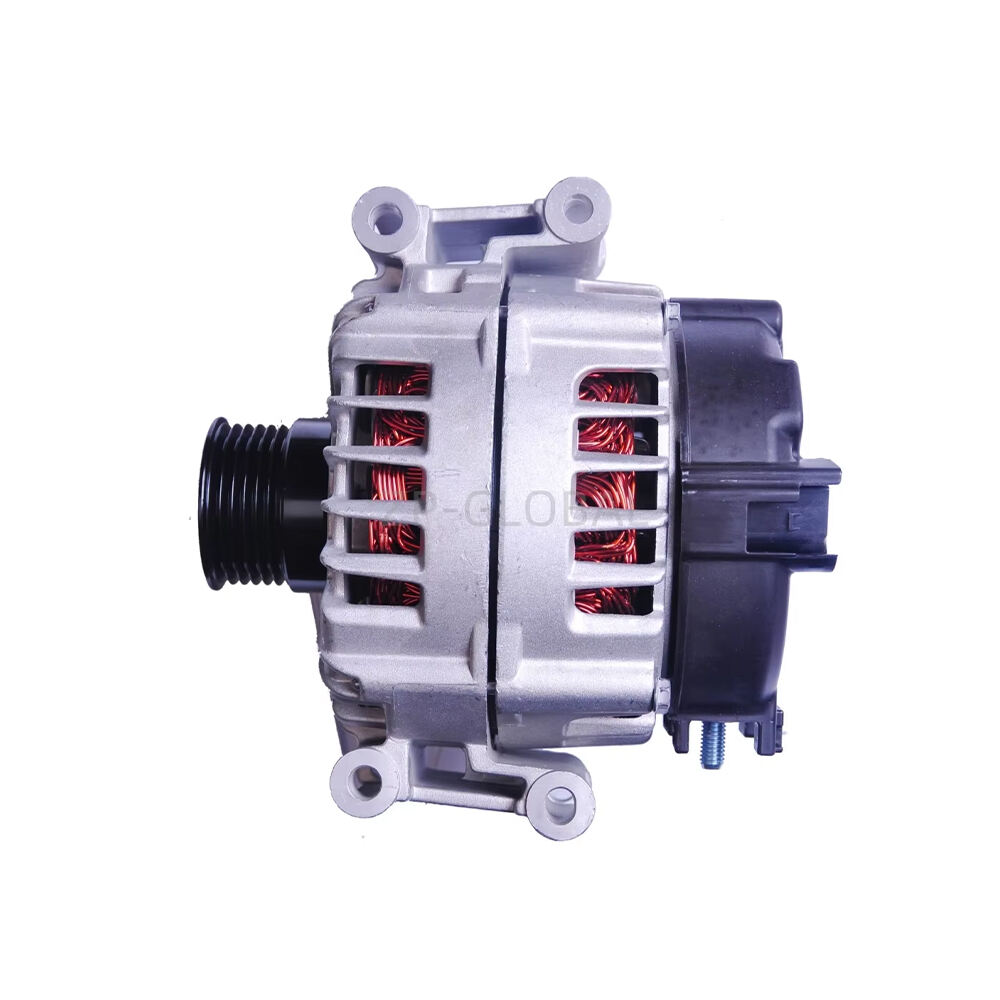
The Mercedes alternator serves as the primary power generation component in your vehicle's electrical system, converting mechanical energy from the engine into alternating current that powers all electrical accessories while simultaneously charging the battery. In C-Class and E-Class models, the alternator operates at varying output levels depending on electrical demand, utilizing sophisticated voltage regulation systems to maintain consistent 12-volt power delivery. Modern Mercedes vehicles incorporate intelligent alternator management systems that communicate with the engine control unit to optimize charging efficiency and reduce fuel consumption.
Mercedes engineers design these alternators to withstand demanding operating conditions, including extreme temperatures, vibration, and varying electrical loads from advanced comfort and safety systems. The alternator housing contains multiple components including the rotor, stator windings, slip rings, carbon brushes, and voltage regulator, all working together to maintain electrical system stability. When any of these internal components begin deteriorating, the entire charging system performance becomes compromised, leading to various warning symptoms that Mercedes owners should recognize immediately.
Identifying Early Warning Signs of Alternator Problems
Mercedes alternator failure typically begins with subtle symptoms that gradually worsen over time, making early detection crucial for preventing complete electrical system breakdown. The most common initial warning sign involves unusual noises emanating from the alternator area, including grinding, squealing, or whining sounds that may intensify during acceleration or when electrical accessories are activated. These noises often indicate worn bearings, loose belt tension, or failing internal components within the alternator assembly.
Dashboard warning lights provide another critical early indicator of alternator problems, particularly the battery warning light or charging system malfunction indicators that appear on the instrument cluster. Mercedes vehicles equipped with advanced diagnostic systems may display specific error codes related to charging system performance, voltage irregularities, or alternator communication failures. Dimming headlights, flickering interior lights, or reduced performance from electrical accessories also suggest declining alternator output that requires immediate attention before complete failure occurs.
Diagnostic Procedures for Mercedes Charging System Issues
Professional Diagnostic Testing Methods
Accurate Mercedes alternator diagnosis requires specialized testing equipment capable of measuring voltage output, amperage capacity, and overall charging system performance under various load conditions. Professional technicians utilize multimeters, oscilloscopes, and dedicated alternator testing equipment to evaluate the alternator's ability to maintain proper voltage regulation across different RPM ranges and electrical load scenarios. These diagnostic procedures help differentiate between alternator failures, battery problems, and wiring issues that may produce similar symptoms.
Mercedes-specific diagnostic scanners provide valuable information about alternator performance through the vehicle's onboard diagnostic system, revealing error codes, voltage readings, and charging system status data. Advanced diagnostic procedures include load testing the alternator while monitoring voltage drop across various electrical circuits, checking belt tension and condition, and evaluating the integrity of charging system wiring connections. Proper diagnosis ensures accurate identification of the root cause before proceeding with costly repair procedures.
Owner-Performed Basic Testing Techniques
Mercedes owners can perform preliminary charging system tests using basic multimeter equipment to assess alternator performance and identify obvious problems before seeking professional diagnosis. With the engine running at idle speed, voltage measurements across the battery terminals should indicate approximately 13.8 to 14.4 volts, demonstrating proper alternator output and voltage regulation. Measurements below this range suggest declining alternator performance, while readings significantly above 14.4 volts may indicate voltage regulator failure.
Visual inspection of the Mercedes alternator and surrounding components reveals obvious signs of wear, damage, or deterioration that may contribute to charging system problems. Checking belt condition, tension, and alignment helps identify mechanical issues that affect alternator operation, while inspecting electrical connections for corrosion, looseness, or damage ensures proper power transfer throughout the charging system. These basic diagnostic steps help Mercedes owners understand the severity of alternator problems before scheduling professional repair services.
Cost Analysis and Repair Options for Mercedes Alternator Issues
Understanding Replacement Costs and Labor Requirements
Mercedes alternator replacement costs vary significantly depending on the specific C-Class or E-Class model year, engine configuration, and chosen repair approach, with genuine OEM parts typically commanding premium prices compared to aftermarket alternatives. Professional installation labor costs reflect the complexity of accessing alternator mounting locations in modern Mercedes vehicles, where space constraints and sophisticated engine bay layouts require specialized tools and technical expertise. Total replacement costs including parts and labor generally range from moderate to substantial amounts, making cost-effective repair decisions crucial for maintaining vehicle value.
Dealership service departments typically charge higher labor rates but provide genuine Mercedes parts, factory-trained technician expertise, and warranty coverage that independent repair facilities may not offer. Independent Mercedes specialists often provide competitive pricing while maintaining high-quality repair standards using OEM or premium aftermarket alternator components. The choice between dealership and independent repair services depends on warranty requirements, budget considerations, and the complexity of specific alternator replacement procedures for different Mercedes models.
Evaluating Aftermarket and Remanufactured Alternator Options
High-quality aftermarket Mercedes alternator options provide cost-effective alternatives to expensive OEM replacement parts while maintaining reliable performance and durability standards. Reputable aftermarket manufacturers engineer their alternators to meet or exceed original Mercedes specifications, offering comparable output capacity, voltage regulation, and service life at reduced costs. These alternator options often include updated design improvements that address known weakness areas in original equipment, potentially providing enhanced reliability over OEM alternatives.
Remanufactured Mercedes alternator units represent another economical repair option, featuring professionally rebuilt cores with new internal components, updated voltage regulators, and comprehensive quality testing procedures. Quality remanufactured alternators undergo extensive inspection, cleaning, and component replacement processes that restore performance to original specifications while providing significant cost savings compared to new OEM parts. Warranty coverage on remanufactured alternators typically matches or exceeds new part warranties, providing confidence in long-term reliability and performance.
Preventive Maintenance Strategies for Mercedes Alternator Longevity
Regular Inspection and Maintenance Procedures
Implementing regular Mercedes alternator maintenance procedures significantly extends service life and prevents unexpected failures that lead to costly emergency repairs. Periodic belt inspection and tension adjustment ensures proper alternator drive engagement while preventing slippage that reduces charging efficiency and accelerates component wear. Visual inspection of alternator mounting brackets, electrical connections, and cooling airflow passages helps identify developing problems before they progress to complete failure stages.
Battery maintenance directly impacts Mercedes alternator longevity, as failing batteries create excessive charging loads that stress alternator components and reduce overall service life. Maintaining proper battery electrolyte levels, ensuring clean terminal connections, and replacing aging batteries before complete failure protects the alternator from damaging overload conditions. Regular electrical system inspections identify corroded connections, damaged wiring, or excessive resistance that forces the alternator to work harder and wear prematurely.
Environmental Factors and Operating Considerations
Mercedes alternator performance and longevity are significantly influenced by environmental operating conditions, driving patterns, and electrical load management practices that owners can control through conscious vehicle operation. Extreme temperature exposure, excessive moisture, road salt contamination, and dust accumulation accelerate alternator deterioration and reduce service life expectations. Parking in covered areas, regular underhood cleaning, and protecting electrical components from environmental contamination help maximize alternator durability.
Driving habits also impact Mercedes alternator service life, with frequent short trips, excessive idling, and heavy electrical accessory usage creating demanding operating conditions that accelerate component wear. Highway driving allows the alternator to operate at optimal efficiency levels while city driving with frequent stops and starts creates challenging charge cycles that stress internal components. Understanding these operational factors helps Mercedes owners develop driving practices that promote alternator longevity and reliable charging system performance.
FAQ
What are the most common signs that my Mercedes alternator is failing
The most common signs of Mercedes alternator failure include unusual noises like grinding or squealing from the engine bay, dashboard warning lights indicating charging system problems, dimming or flickering headlights, and reduced performance from electrical accessories. You may also notice difficulty starting the engine, particularly after the vehicle has been parked for extended periods, as a failing alternator cannot properly charge the battery during operation.
How long should a Mercedes alternator typically last before requiring replacement
A well-maintained Mercedes alternator typically lasts between 80,000 to 150,000 miles depending on driving conditions, maintenance practices, and environmental factors. Vehicles subjected to extreme temperatures, frequent short trips, or heavy electrical loads may experience shorter alternator service life, while highway-driven vehicles with regular maintenance often exceed average longevity expectations. Regular inspection and proper battery maintenance significantly extend alternator service life.
Can I drive my Mercedes with a failing alternator and what are the risks
Driving with a failing Mercedes alternator is possible for short distances but carries significant risks including complete electrical system failure, battery damage, and potential safety hazards from loss of lighting or other critical systems. The vehicle will operate solely on battery power until the battery becomes discharged, typically providing 30 minutes to several hours of operation depending on electrical load and battery condition. Immediate professional diagnosis and repair are recommended to prevent costly secondary damage and ensure safe vehicle operation.
What factors should I consider when choosing between OEM and aftermarket alternator replacements
When choosing between OEM and aftermarket Mercedes alternator replacements, consider factors including cost differences, warranty coverage, performance specifications, and long-term reliability requirements. High-quality aftermarket alternators often provide comparable performance at reduced costs, while OEM parts ensure exact fitment and maintain warranty compliance. Evaluate the reputation of aftermarket manufacturers, warranty terms, and compatibility with your specific Mercedes model to make an informed replacement decision that balances cost and quality considerations.
Table of Contents
- Understanding Mercedes Alternator Function and Common Failure Patterns
- Diagnostic Procedures for Mercedes Charging System Issues
- Cost Analysis and Repair Options for Mercedes Alternator Issues
- Preventive Maintenance Strategies for Mercedes Alternator Longevity
-
FAQ
- What are the most common signs that my Mercedes alternator is failing
- How long should a Mercedes alternator typically last before requiring replacement
- Can I drive my Mercedes with a failing alternator and what are the risks
- What factors should I consider when choosing between OEM and aftermarket alternator replacements