High-Precision Diesel Rail Pressure Sensor: Advanced Fuel System Monitoring Solution

All Categories

Get a Free Quote

Our representative will contact you soon.
Email
Name
Company Name
Message
0/1000

diesel rail pressure sensor

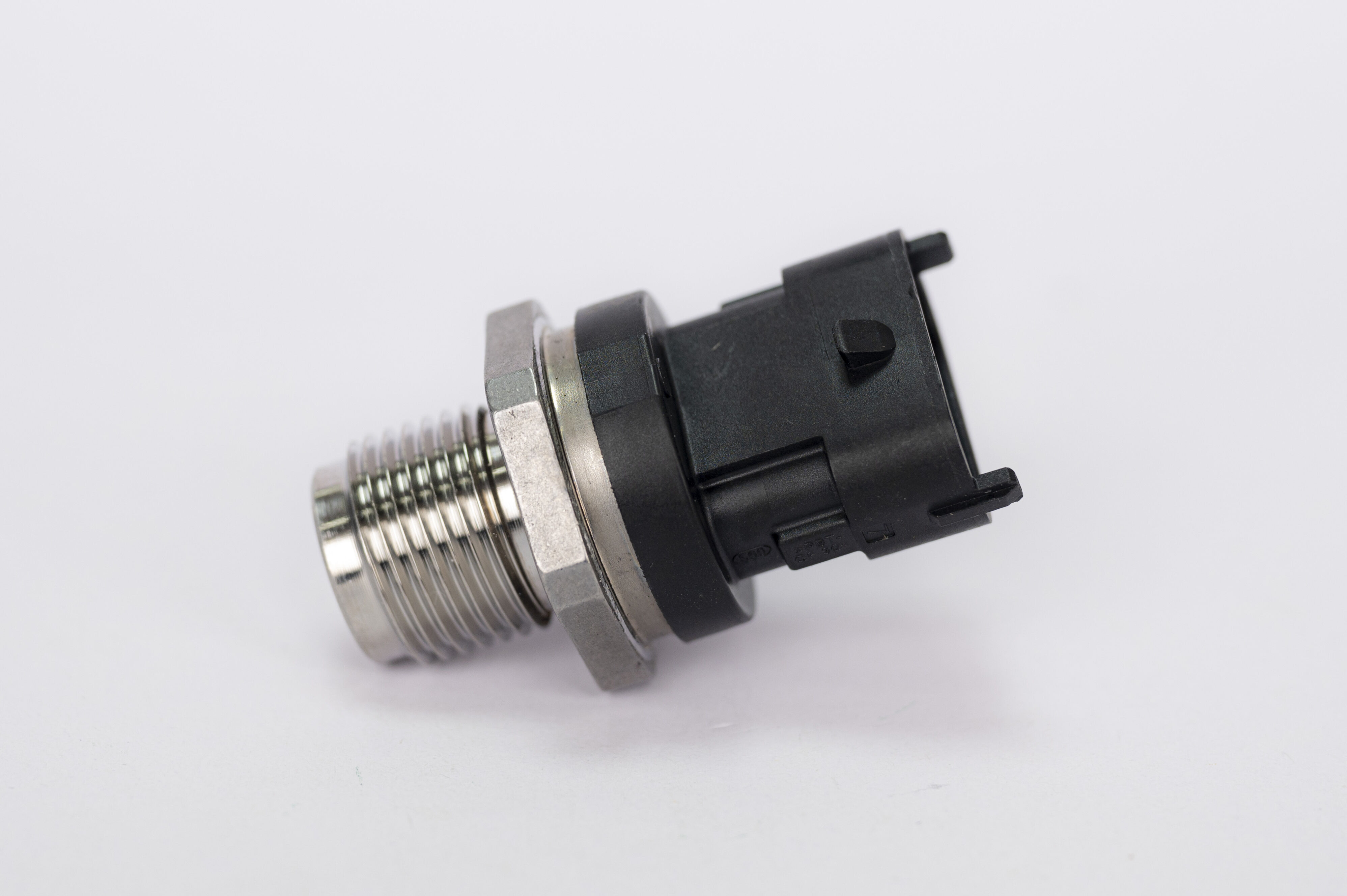
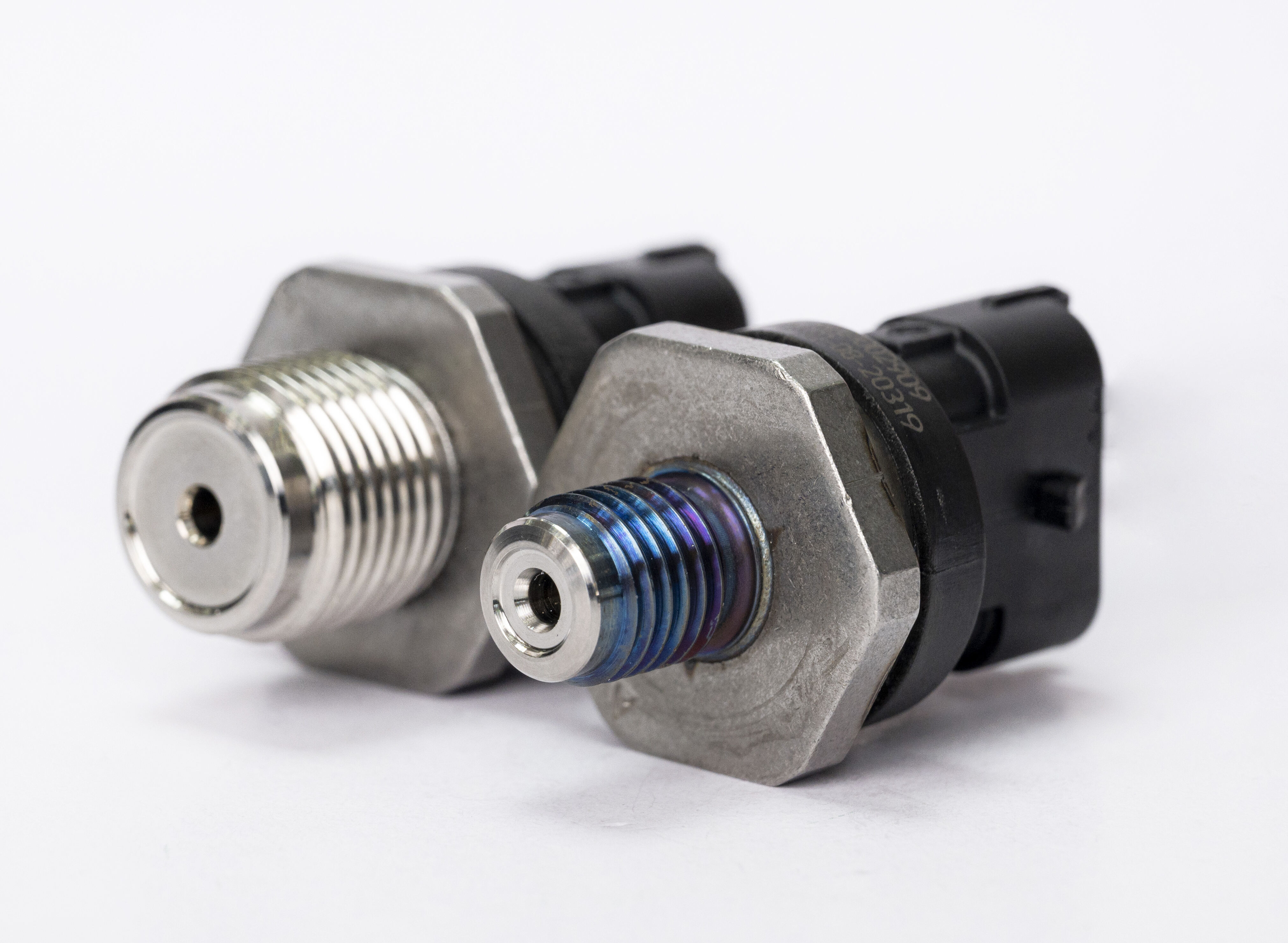
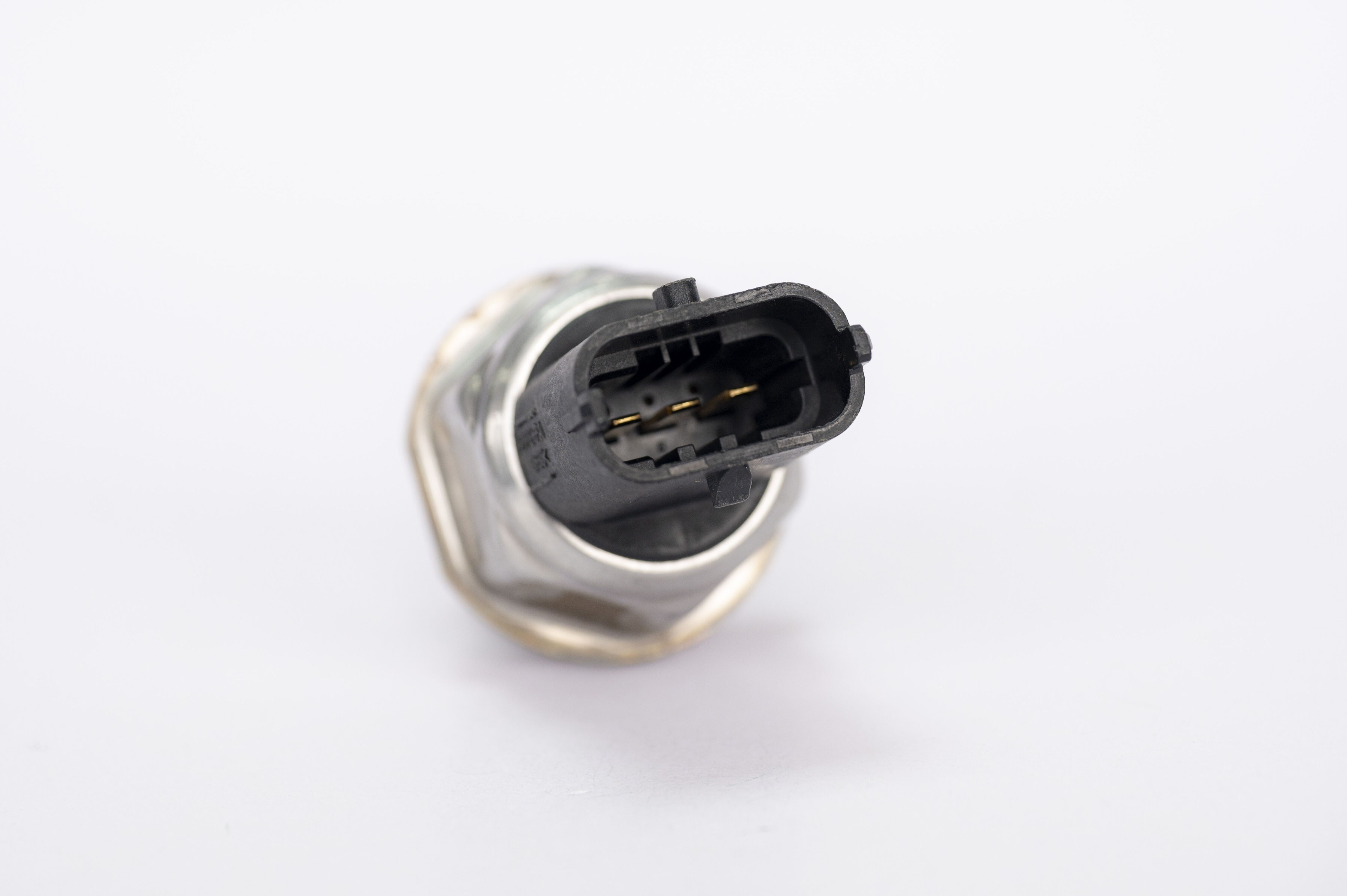
The diesel rail pressure sensor is a critical component in modern diesel engine systems, serving as the primary monitoring device for fuel pressure within the common rail system. This sophisticated sensor continuously measures and transmits real-time pressure data to the engine's electronic control unit (ECU), ensuring optimal fuel delivery and engine performance. Operating with precision engineering, it maintains accurate pressure readings under extreme conditions, typically ranging from 0 to 2000 bar. The sensor employs advanced piezoelectric or strain gauge technology to convert mechanical pressure into electrical signals, providing instantaneous feedback for fuel injection timing and quantity adjustments. In practice, it works by monitoring pressure variations in the common rail system, enabling the ECU to maintain ideal fuel pressure for different operating conditions. The sensor's application extends across various diesel-powered vehicles, from passenger cars to heavy-duty trucks and industrial machinery. Its robust construction ensures reliability in harsh engine environments, while its sophisticated electronics deliver precise measurements essential for meeting modern emission standards and fuel efficiency requirements.
Popular Products

The diesel rail pressure sensor offers numerous compelling advantages that make it indispensable in modern diesel engines. First and foremost, it significantly improves fuel efficiency by ensuring optimal fuel pressure at all times, leading to more complete combustion and reduced fuel consumption. This precise pressure monitoring allows engines to maintain peak performance across varying operating conditions, from cold starts to high-speed highway driving. The sensor's real-time feedback capability enables instant adjustments to fuel delivery, preventing both over-fueling and under-fueling situations that could damage the engine or reduce performance. From a maintenance perspective, the sensor helps prevent costly repairs by early detection of fuel system issues, allowing for preventive maintenance before major problems develop. The enhanced control over fuel delivery also results in reduced emissions, helping vehicles meet increasingly stringent environmental regulations. For fleet operators and individual vehicle owners alike, this translates to lower operating costs and extended engine life. The sensor's durability and reliability mean less downtime for repairs and maintenance, while its precise operation ensures consistent engine performance throughout its service life. Additionally, the improved atomization of fuel resulting from accurate pressure control leads to smoother engine operation, reduced noise, and better overall driving experience.

Tips And Tricks

Top Signs Your Alternator Needs Replacing

19

May

Top Signs Your Alternator Needs Replacing

View More
Alternator Buying Guide for Beginners

19

May

Alternator Buying Guide for Beginners

View More
Top Auto Alternators for All Vehicle Types

19

May

Top Auto Alternators for All Vehicle Types

View More
Auto Alternator Troubleshooting Made Simple

19

May

Auto Alternator Troubleshooting Made Simple

View More

Get a Free Quote

Our representative will contact you soon.
Email
Name
Company Name
Message
0/1000

diesel rail pressure sensor

Advanced Pressure Monitoring Technology

Advanced Pressure Monitoring Technology

The diesel rail pressure sensor incorporates cutting-edge pressure monitoring technology that sets new standards in precision and reliability. At its core, the sensor utilizes sophisticated piezoelectric elements or strain gauge technology that can detect minute pressure changes within milliseconds. This rapid response capability is crucial for modern diesel engines, where timing and precision are essential for optimal performance. The sensor's ability to maintain accuracy across a wide pressure range, typically from 0 to 2000 bar, ensures consistent performance under all operating conditions. The technology includes built-in temperature compensation mechanisms that maintain accuracy regardless of engine temperature fluctuations, making it highly reliable in real-world applications. This advanced monitoring capability enables dynamic fuel pressure adjustments that optimize engine performance while minimizing emissions and fuel consumption.
Enhanced Engine Protection Features

Enhanced Engine Protection Features

The protective capabilities of the diesel rail pressure sensor extend far beyond basic pressure monitoring. The sensor incorporates multiple safeguards to protect both itself and the engine from potential damage. Its robust construction features high-grade materials that resist corrosion and withstand extreme temperatures and pressures commonly found in diesel engines. The sensor's integrated diagnostic capabilities continuously monitor its own performance, alerting the ECU to any potential malfunctions before they can impact engine operation. This self-monitoring feature includes advanced error detection algorithms that can differentiate between temporary anomalies and serious issues, preventing unnecessary engine shutdowns while ensuring safety. The sensor's protective features also include electrical isolation and EMI shielding, protecting it from electromagnetic interference and voltage spikes that could affect its accuracy.
Intelligent Fuel Management System Integration

Intelligent Fuel Management System Integration

The seamless integration capabilities of the diesel rail pressure sensor with modern engine management systems represent a significant advancement in diesel engine technology. The sensor's sophisticated electronic interface provides high-speed, digital communication with the engine's ECU, enabling real-time fuel management decisions. This integration allows for adaptive learning algorithms that optimize fuel delivery based on driving conditions, engine load, and environmental factors. The sensor's data contributes to the engine's ability to maintain optimal air-fuel ratios across all operating conditions, from idle to full load. This intelligent integration extends to diagnostic capabilities, where the sensor's data can be used for predictive maintenance, helping identify potential issues before they lead to performance problems or failures. The system's ability to store and analyze pressure data over time also aids in long-term engine performance optimization and maintenance planning.