High-Precision Diesel Fuel Rail Pressure Sensor: Advanced Engine Control and Efficiency

All Categories

Get a Free Quote

Our representative will contact you soon.
Email
Name
Company Name
Message
0/1000

diesel fuel rail pressure sensor

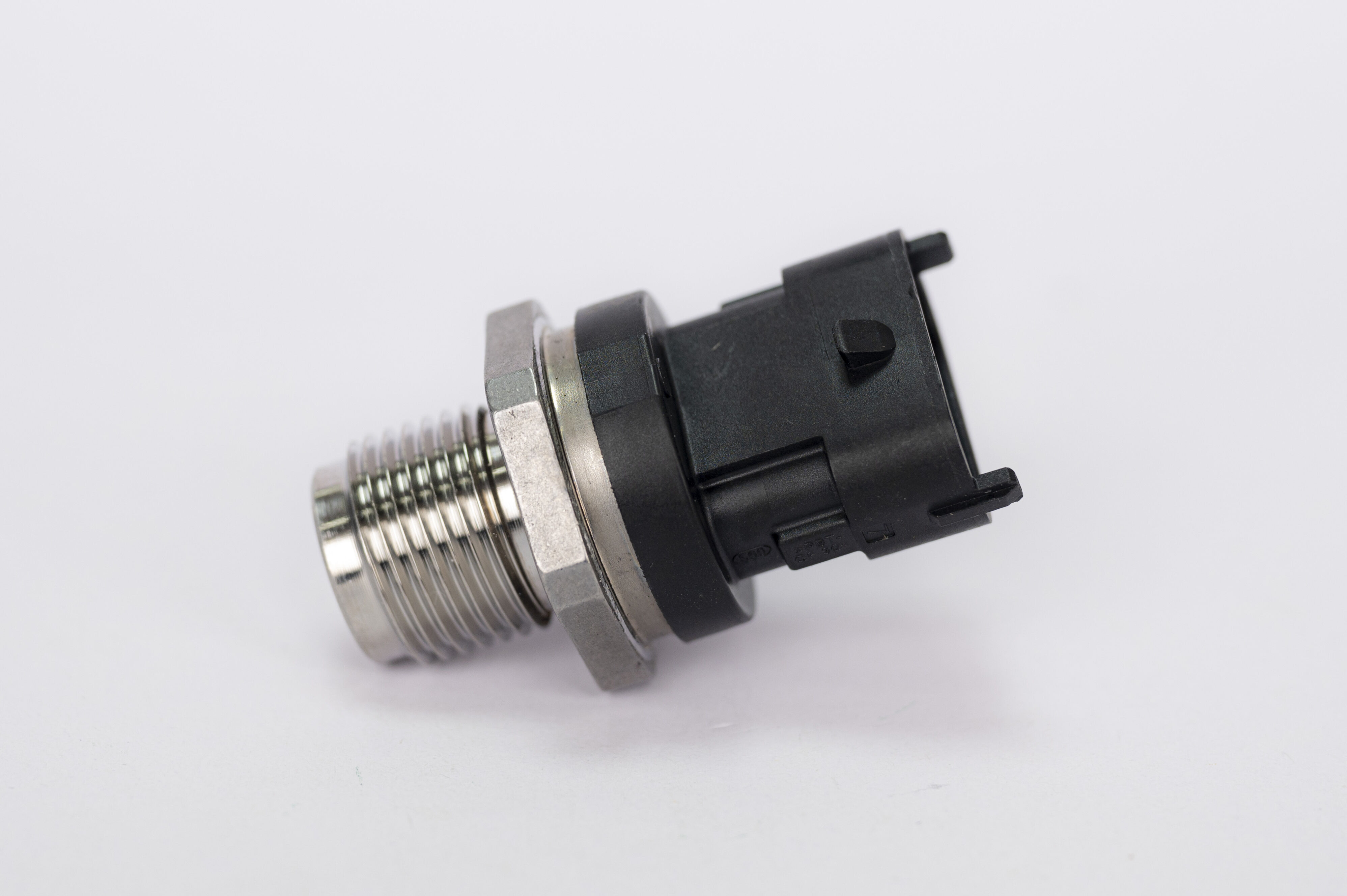
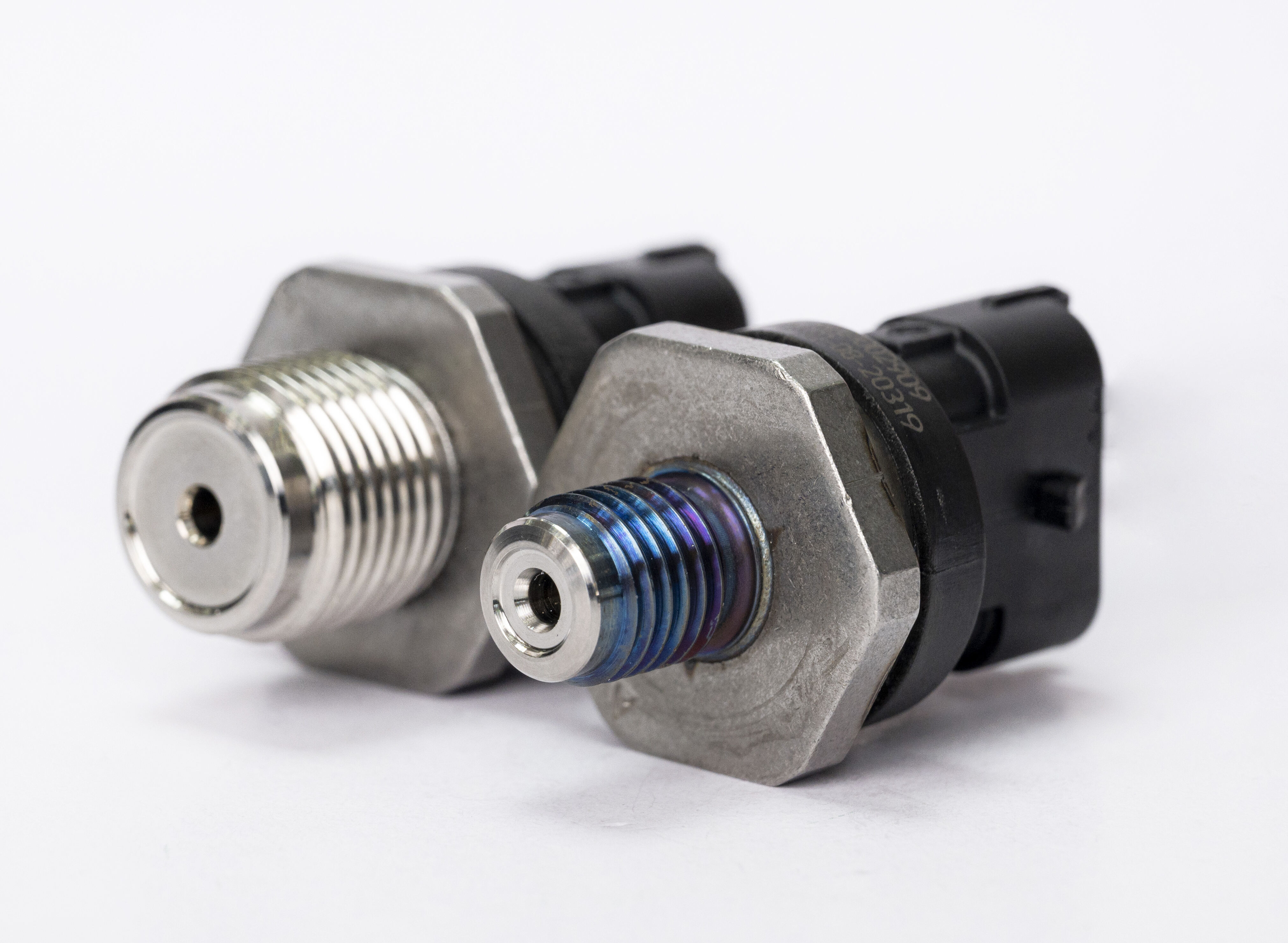
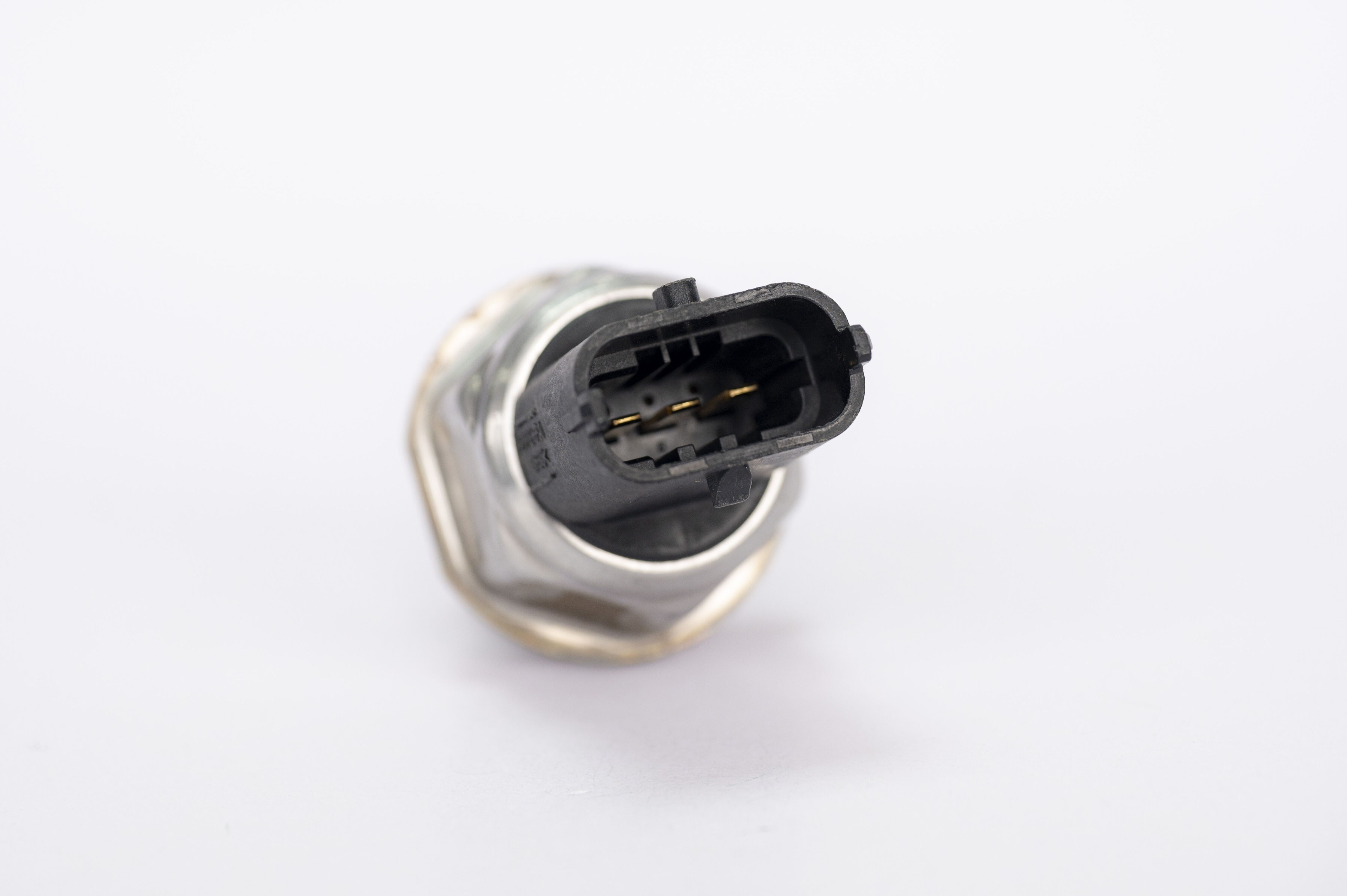
The diesel fuel rail pressure sensor is a critical component in modern diesel engine systems, responsible for monitoring and regulating fuel pressure within the common rail system. This sophisticated device continuously measures the fuel pressure in real-time, providing essential data to the engine control unit (ECU) to optimize fuel injection timing and quantity. Operating with precision engineering, the sensor utilizes advanced piezoelectric or strain gauge technology to convert pressure readings into electrical signals that the ECU can interpret. Working within a pressure range of 0 to over 2000 bar, these sensors ensure accurate fuel delivery across varying engine loads and speeds. The sensor's placement on the fuel rail allows for immediate pressure detection, enabling instantaneous adjustments to maintain optimal engine performance. In addition to its primary monitoring function, the sensor plays a vital role in emissions control, fuel efficiency optimization, and engine protection. Its robust construction withstands extreme pressure conditions and temperature variations, while its integrated electronics provide reliable signal processing and transmission. This component is essential for meeting modern emission standards and achieving the balance between performance and efficiency in diesel engines.
New Product Recommendations

The diesel fuel rail pressure sensor offers numerous practical benefits that make it indispensable in modern diesel engines. First, it significantly improves fuel economy by ensuring precise fuel delivery based on real-time engine demands. This optimization can lead to fuel savings of up to 15% compared to systems without accurate pressure monitoring. The sensor enhances engine performance by enabling precise control over fuel injection timing and quantity, resulting in more efficient combustion and improved power delivery. Safety features are another crucial advantage, as the sensor can detect abnormal pressure conditions and trigger protective measures to prevent engine damage. The sensor's contribution to emissions reduction is substantial, helping vehicles meet stringent environmental regulations by optimizing the fuel injection process and reducing harmful exhaust emissions. Maintenance benefits are also notable, as the sensor provides early warning of potential fuel system issues, allowing for preventive maintenance before major problems develop. The sensor's durability and reliability mean less downtime and lower maintenance costs over the engine's lifetime. Its plug-and-play design simplifies installation and replacement procedures, reducing service time and costs. The sensor's compatibility with modern engine management systems enables advanced diagnostic capabilities, making troubleshooting more efficient and accurate. Additionally, the sensor's role in maintaining optimal engine performance helps extend engine life and preserve resale value.

Latest News

Top Signs Your Alternator Needs Replacing

19

May

Top Signs Your Alternator Needs Replacing

View More
Alternator Buying Guide for Beginners

19

May

Alternator Buying Guide for Beginners

View More
Top Auto Alternators for All Vehicle Types

19

May

Top Auto Alternators for All Vehicle Types

View More
Auto Alternator Troubleshooting Made Simple

19

May

Auto Alternator Troubleshooting Made Simple

View More

Get a Free Quote

Our representative will contact you soon.
Email
Name
Company Name
Message
0/1000

diesel fuel rail pressure sensor

Advanced Pressure Monitoring Technology

Advanced Pressure Monitoring Technology

The diesel fuel rail pressure sensor incorporates cutting-edge pressure monitoring technology that sets new standards in precision and reliability. Using sophisticated piezoelectric elements or strain gauge technology, the sensor achieves exceptional accuracy in pressure measurements, with typical tolerances within ±1% of the actual pressure value. This high-precision monitoring enables the engine control unit to make instantaneous adjustments to fuel delivery, ensuring optimal combustion under all operating conditions. The sensor's rapid response time, typically less than 1 millisecond, allows for real-time pressure monitoring and adjustment, critical for modern high-pressure common rail systems. The sensor's robust construction includes high-grade stainless steel components and specialized sealing technology, ensuring reliable operation under extreme pressure conditions exceeding 2000 bar and temperatures ranging from -40°C to +120°C.
Intelligent Engine Protection System

Intelligent Engine Protection System

The sensor serves as a crucial component in the engine's protective framework, continuously monitoring fuel system pressure to prevent potentially damaging conditions. When abnormal pressure situations are detected, the sensor immediately signals the ECU to take appropriate corrective action, which may include reducing engine power or initiating a safe shutdown procedure. This intelligent protection system helps prevent costly engine damage and extends component life. The sensor's self-diagnostic capabilities allow it to monitor its own performance and alert the system to any malfunction, ensuring reliable operation and preventing false readings that could compromise engine safety. The protection system includes sophisticated filtering algorithms that can distinguish between normal pressure fluctuations and genuine fault conditions, minimizing false alarms while maintaining robust protection.
Enhanced Emissions Control and Efficiency

Enhanced Emissions Control and Efficiency

The diesel fuel rail pressure sensor plays a pivotal role in meeting modern emissions standards while maximizing engine efficiency. By providing precise pressure data, the sensor enables optimal fuel atomization and injection timing, resulting in more complete combustion and reduced emissions. The system's ability to maintain exact fuel pressure contributes to a significant reduction in particulate matter and NOx emissions, helping vehicles meet Euro 6 and other stringent environmental standards. The sensor's precision also enables advanced injection strategies such as pilot injection and post-injection, further optimizing the combustion process. This sophisticated control results in improved fuel efficiency, with typical gains of 8-15% compared to less advanced systems. The sensor's contribution to emissions control extends beyond basic operation, enabling adaptive learning algorithms that continuously optimize engine performance based on operating conditions and fuel quality variations.