
 EN
EN
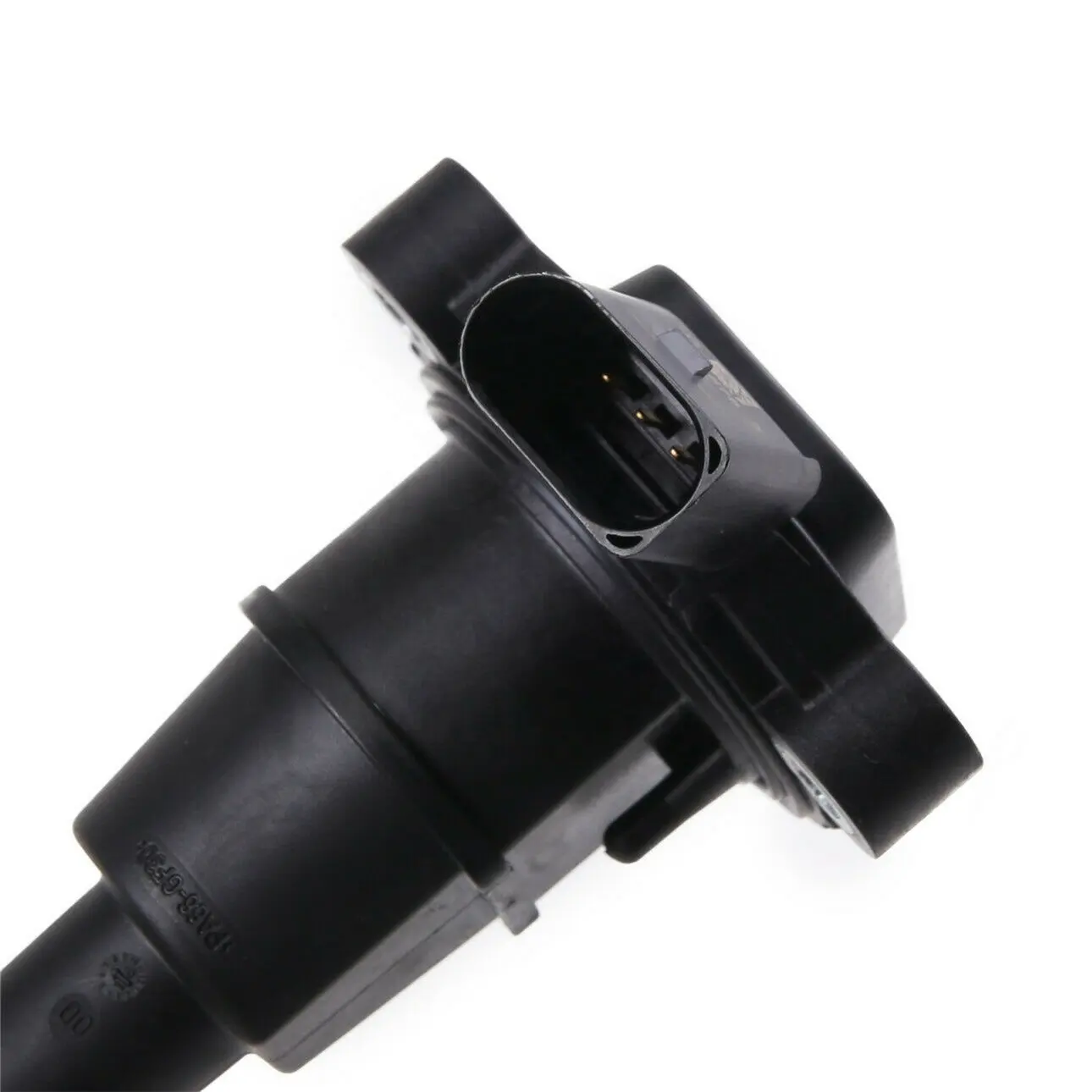
When searching for reliable automotive components, finding the right Toyota parts manufacturer becomes crucial for both routine maintenance operations and complex collision repair projects. The quality and authenticity of replacement parts directly impact vehicle performance, safety standards, and long-term reliability, making manufacturer selection a critical business decision for automotive service providers and collision repair centers.
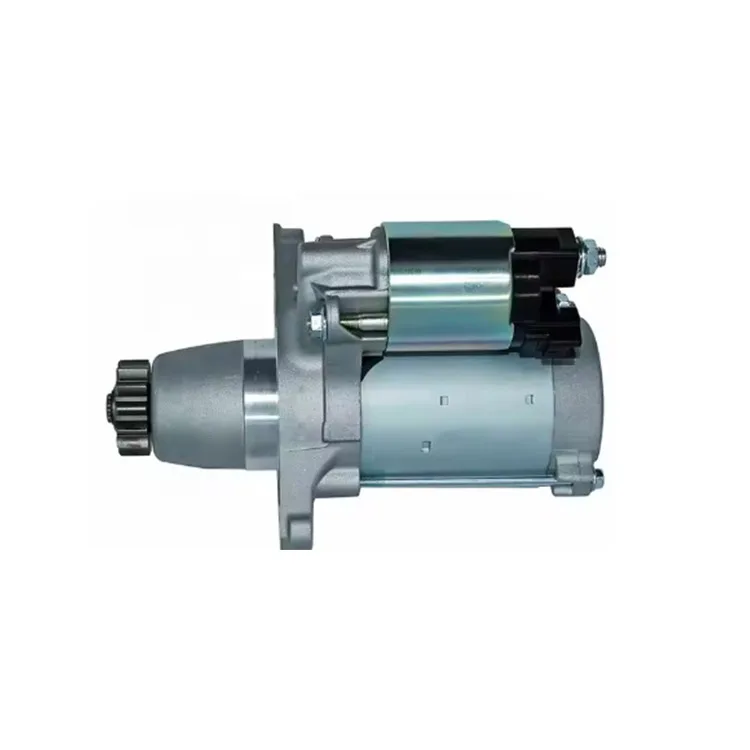
Professional repair facilities require consistent access to high-quality Toyota replacement components that meet original equipment specifications while maintaining cost-effectiveness for their operations. Understanding the landscape of Toyota parts manufacturers helps repair professionals make informed sourcing decisions that balance quality requirements with operational efficiency and customer satisfaction expectations.
Understanding Toyota Parts Manufacturing Standards
Original Equipment Manufacturer Requirements
Toyota parts manufacturers must adhere to stringent quality control protocols that mirror the standards established by Toyota Motor Corporation for original equipment components. These manufacturing requirements encompass material specifications, dimensional tolerances, performance testing criteria, and durability standards that ensure replacement parts maintain the same operational characteristics as factory-installed components.
The certification process for becoming an approved Toyota parts manufacturer involves extensive validation procedures including material analysis, stress testing, environmental exposure testing, and long-term performance evaluation. Manufacturers must demonstrate their ability to consistently produce components that meet Toyota's engineering specifications while maintaining production quality across large-scale manufacturing operations.
Quality management systems implemented by reputable Toyota parts manufacturers typically follow ISO/TS 16949 automotive quality standards, ensuring systematic approaches to defect prevention, continuous improvement, and customer satisfaction. These systems provide the foundation for reliable part production that supports both maintenance schedules and collision repair timelines.
Component Testing and Validation Processes
Established Toyota parts manufacturers implement comprehensive testing protocols that validate component performance under various operating conditions including temperature extremes, vibration exposure, corrosion resistance, and mechanical stress scenarios. These testing procedures ensure that replacement parts will perform reliably throughout their intended service life under normal and demanding operating conditions.
Material composition analysis forms a critical component of the validation process, with Toyota parts manufacturer facilities utilizing advanced metallurgical testing, polymer analysis, and composite material evaluation to verify that replacement components match original specifications for chemical composition and physical properties.
Performance benchmarking against original equipment components provides manufacturers with objective data regarding component functionality, durability expectations, and compatibility with existing vehicle systems. This validation approach ensures that replacement parts integrate seamlessly with Toyota vehicle platforms without creating performance compromises or compatibility issues.
Sourcing Strategies for Maintenance Operations
Preventive Maintenance Component Selection
Effective maintenance operations require reliable access to high-volume Toyota parts that support scheduled service intervals including filters, belts, hoses, spark plugs, and fluid system components. Toyota parts manufacturers specializing in maintenance items typically offer comprehensive product lines that cover multiple vehicle models and model years, providing service centers with efficient ordering and inventory management capabilities.
Service interval compatibility becomes essential when selecting maintenance components from Toyota parts manufacturers, as different vehicle platforms may require specific part numbers or specifications even for seemingly identical components. Professional service centers benefit from working with manufacturers that provide detailed application guides and cross-reference information to ensure proper part selection for each maintenance procedure.
Cost-effectiveness considerations for maintenance operations often favor Toyota parts manufacturers that can provide competitive pricing while maintaining quality standards, as high-volume maintenance items represent significant ongoing expenses for service centers. Bulk purchasing arrangements and consistent supply availability help maintenance facilities optimize their parts inventory costs while ensuring service capacity.
Emergency Repair and Rush Orders
Time-sensitive maintenance situations require Toyota parts manufacturers with responsive distribution networks and expedited shipping capabilities to minimize vehicle downtime for customers. Emergency breakdown scenarios often involve critical components like starters, alternators, fuel pumps, and ignition system parts that require immediate availability to restore vehicle operation.
Regional distribution capabilities of Toyota parts manufacturers significantly impact their ability to support emergency repair situations, with manufacturers maintaining strategic inventory locations typically providing faster delivery times and reduced shipping costs for urgent orders. Service centers benefit from establishing relationships with manufacturers that prioritize emergency order processing and maintain adequate safety stock levels.
Communication systems and order tracking capabilities offered by responsive Toyota parts manufacturers help service centers manage customer expectations during emergency repairs by providing accurate delivery estimates and shipment status updates. These capabilities become particularly valuable when dealing with commercial vehicle fleets or customer vehicles requiring immediate attention.
Collision Repair Parts Considerations
Structural Component Requirements
Collision repair operations demand Toyota parts manufacturers capable of providing structural components that meet safety-critical specifications for frame rails, pillars, door frames, and reinforcement assemblies. These components must maintain precise dimensional accuracy and material properties to ensure proper vehicle structural integrity following collision damage repair procedures.
Crashworthiness standards for structural components require Toyota parts manufacturers to validate their products against federal motor vehicle safety standards and insurance industry guidelines for collision repair procedures. Structural parts that fail to meet these requirements can compromise vehicle safety performance and create liability concerns for repair facilities.
Welding characteristics and joining procedures for structural replacement parts must match original equipment specifications to ensure proper repair techniques and long-term durability. Toyota parts manufacturers supporting collision repair operations typically provide technical documentation regarding recommended welding procedures, heat treatment requirements, and joint preparation specifications.
Body Panel and Exterior Component Sourcing
Cosmetic repair quality depends heavily on the dimensional accuracy and surface finish characteristics of replacement body panels supplied by Toyota parts manufacturers. Proper panel fit requires precise manufacturing tolerances that allow for seamless integration with adjacent panels and trim components without requiring excessive bodywork or adjustment procedures.
Paint compatibility considerations become important when sourcing body panels from Toyota parts manufacturers, as surface preparation requirements and coating adhesion characteristics can vary between different manufacturing processes. Collision repair facilities benefit from working with manufacturers that provide consistent surface preparation specifications and paint system compatibility information.
Corrosion protection measures implemented during body panel manufacturing directly impact long-term repair quality and customer satisfaction. Reputable Toyota parts manufacturers typically apply electro-deposition primer or other corrosion-resistant coatings that provide protection equivalent to original equipment components.
Quality Assurance and Warranty Considerations
Manufacturing Quality Control Systems
Professional-grade Toyota parts manufacturers implement statistical process control systems that monitor production quality through continuous measurement and analysis of critical component characteristics. These quality systems help identify potential manufacturing variations before they result in defective parts reaching repair facilities or end customers.
Incoming material inspection procedures at Toyota parts manufacturer facilities ensure that raw materials and sub-components meet specification requirements before entering the production process. Material traceability systems allow manufacturers to track component genealogy and quickly identify affected parts in the event of quality issues or recalls.
Final inspection protocols implemented by reliable Toyota parts manufacturers include both automated testing equipment and manual verification procedures to confirm that finished components meet all dimensional, functional, and cosmetic requirements before packaging and shipment to customers.
Warranty Coverage and Support Programs
Comprehensive warranty programs offered by established Toyota parts manufacturers provide repair facilities with protection against defective components and demonstrate manufacturer confidence in product quality. Warranty terms typically cover material defects, manufacturing defects, and premature component failure under normal operating conditions.
Technical support services provided by Toyota parts manufacturers help repair facilities troubleshoot installation issues, identify proper application procedures, and resolve compatibility questions that may arise during repair operations. Access to knowledgeable technical support staff can significantly reduce repair time and improve first-time fix rates.
Warranty claim processing efficiency impacts repair facility cash flow and customer satisfaction, making responsive warranty support an important consideration when selecting Toyota parts manufacturers for long-term business relationships. Manufacturers with streamlined warranty procedures and quick claim resolution help repair facilities maintain operational efficiency.
FAQ
What certifications should I look for when selecting a Toyota parts manufacturer?
Look for manufacturers with ISO/TS 16949 automotive quality certification, which demonstrates adherence to automotive industry quality management standards. Additionally, certifications from recognized testing organizations and compliance with relevant safety standards indicate a commitment to quality manufacturing processes.
How can I verify that replacement parts from a Toyota parts manufacturer will fit properly?
Verify part numbers against Toyota's official parts catalog and request dimensional specifications from the manufacturer. Reputable manufacturers provide detailed application guides and technical drawings that confirm proper fit and compatibility with specific vehicle models and years.
What factors affect the delivery time for Toyota replacement parts from manufacturers?
Delivery times depend on manufacturer inventory levels, geographic location of distribution centers, shipping method selected, and order processing efficiency. Emergency orders and less common parts may require longer lead times, while high-volume maintenance items are typically available for immediate shipment.
How do I evaluate the quality of a Toyota parts manufacturer before making large orders?
Request sample parts for evaluation, review quality certifications and testing documentation, check references from other repair facilities, and evaluate warranty terms and technical support capabilities. Consider starting with smaller orders to assess quality and service levels before committing to larger purchasing agreements.
Table of Contents
- Understanding Toyota Parts Manufacturing Standards
- Sourcing Strategies for Maintenance Operations
- Collision Repair Parts Considerations
- Quality Assurance and Warranty Considerations
-
FAQ
- What certifications should I look for when selecting a Toyota parts manufacturer?
- How can I verify that replacement parts from a Toyota parts manufacturer will fit properly?
- What factors affect the delivery time for Toyota replacement parts from manufacturers?
- How do I evaluate the quality of a Toyota parts manufacturer before making large orders?