
 EN
EN
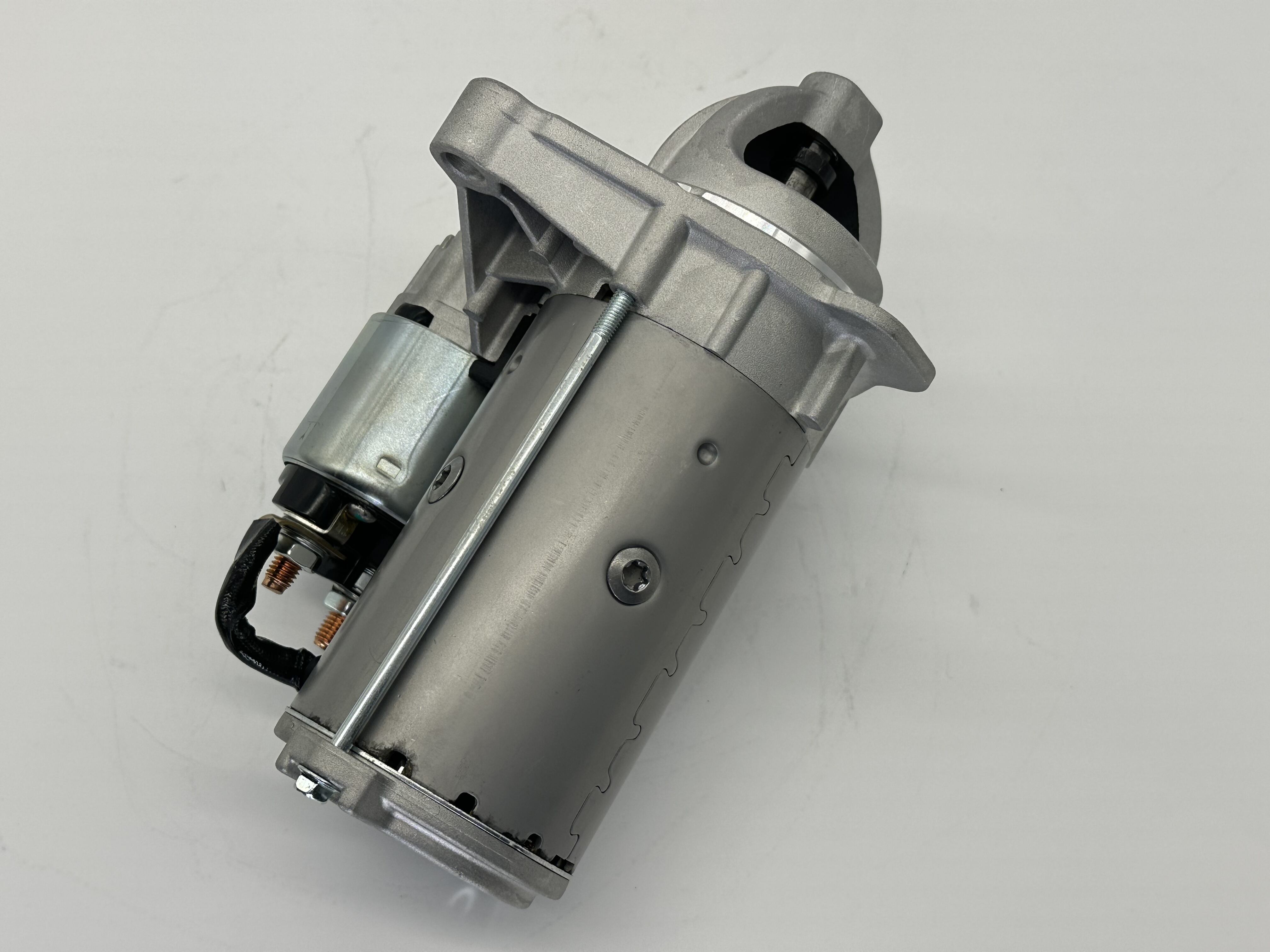
Sourcing automotive components from a reliable China cars parts supplier has become increasingly critical for automotive manufacturers and aftermarket distributors worldwide. With China's automotive manufacturing sector producing components for major domestic brands like Geely, Chery, and MG, understanding the sourcing landscape requires deep knowledge of quality standards, supply chain logistics, and regulatory compliance specific to these manufacturers.
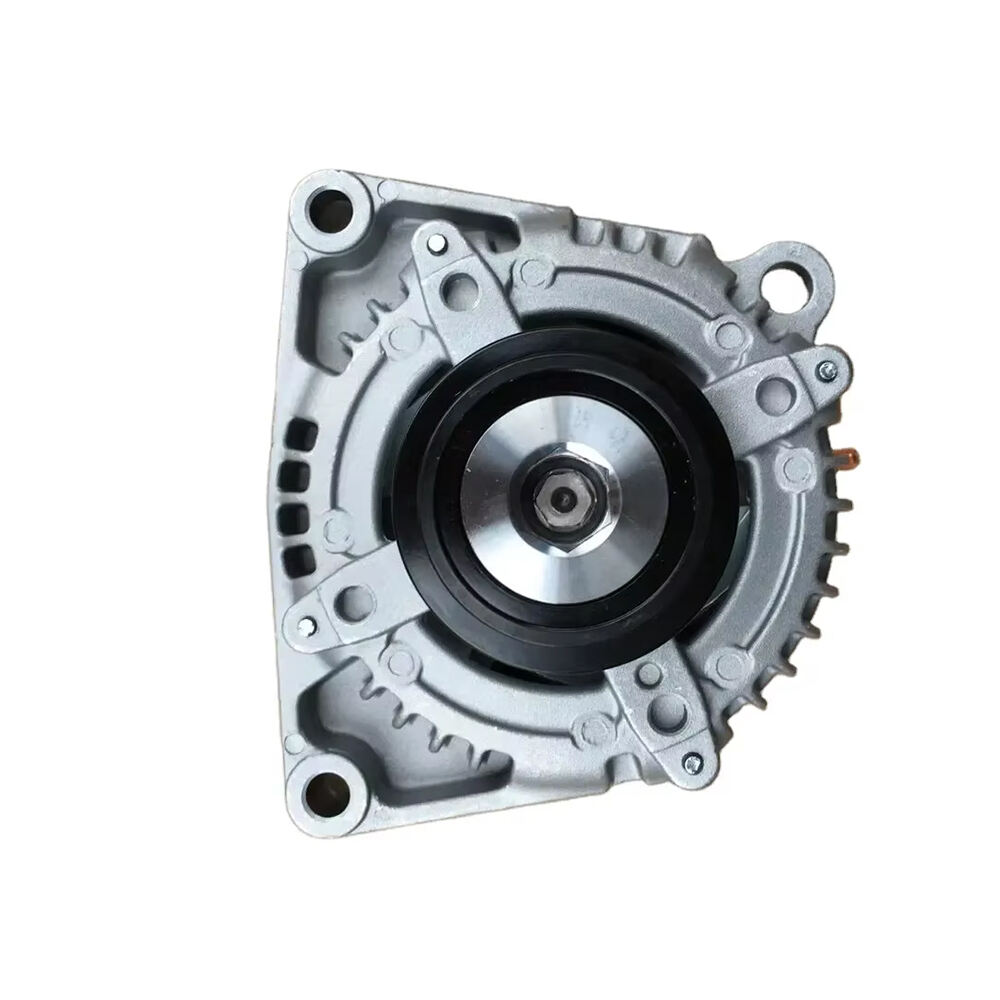
The complexity of sourcing parts for Geely, Chery, and MG vehicles extends beyond simple procurement to encompass technical specifications, manufacturing tolerances, and aftermarket compatibility requirements. Each of these Chinese automotive brands maintains distinct engineering standards and component specifications that demand specialized knowledge from any China cars parts supplier attempting to serve this market effectively.
Understanding the Chinese Automotive Parts Supply Chain
Manufacturing Ecosystem for Geely Components
Geely's automotive parts ecosystem operates through a tiered supplier network where a qualified China cars parts supplier must demonstrate adherence to Geely's specific manufacturing standards and quality protocols. The company's global expansion strategy has created increased demand for replacement parts and aftermarket components, particularly in international markets where Geely vehicles are gaining market share.
Working with Geely requires understanding their component coding system, which differs significantly from other automotive manufacturers. A competent China cars parts supplier must navigate Geely's parts cataloging system and maintain compatibility with their evolving model lineup, which includes everything from compact cars to luxury SUVs and electric vehicles.
The technical specifications for Geely parts often incorporate both traditional automotive engineering principles and innovative technologies, particularly in their electric vehicle components. This creates unique sourcing challenges that require a China cars parts supplier to have both traditional automotive expertise and emerging technology capabilities.
Chery's Component Sourcing Requirements
Chery's approach to component sourcing emphasizes cost-effectiveness while maintaining quality standards that meet international automotive requirements. A successful China cars parts supplier serving Chery must understand the brand's focus on value engineering and their specific testing protocols for component validation.
The company's export-focused strategy means that parts sourced for Chery vehicles must often meet multiple international standards simultaneously. This requires a China cars parts supplier to maintain certifications and quality systems that can accommodate various regulatory environments, from European emissions standards to North American safety requirements.
Chery's component specifications often reflect their engineering philosophy of practical innovation, where traditional automotive solutions are enhanced with modern materials and manufacturing techniques. This approach creates opportunities for a knowledgeable China cars parts supplier to provide both standard replacement parts and upgraded components that improve vehicle performance.
MG Brand Component Characteristics
MG's revival under Chinese ownership has created unique sourcing requirements that blend British automotive heritage with modern Chinese manufacturing capabilities. A specialized China cars parts supplier must understand how MG's component specifications incorporate both historical design elements and contemporary automotive technology.
The MG brand's global presence requires parts compatibility across different markets, creating complex logistics and inventory management challenges for any China cars parts supplier. Components must meet varying regulatory standards while maintaining the brand's distinctive performance characteristics and aesthetic requirements.
MG's focus on sports car heritage and modern electric vehicle technology creates diverse component requirements that span from traditional internal combustion engine parts to advanced electric drivetrain components. This diversity requires a China cars parts supplier to maintain broad technical expertise and flexible manufacturing capabilities.
Quality Standards and Certification Requirements
Automotive Industry Certification Compliance
Any reputable China cars parts supplier serving Geely, Chery, and MG must maintain comprehensive automotive industry certifications that demonstrate compliance with international quality standards. ISO/TS 16949 certification represents the minimum requirement for automotive suppliers, but additional certifications may be necessary depending on specific component categories and target markets.
The certification process for a China cars parts supplier involves rigorous auditing of manufacturing processes, quality control systems, and supply chain management practices. These audits verify that the supplier can consistently produce components that meet the exacting standards required for automotive applications, particularly safety-critical components.
Environmental compliance certifications have become increasingly important as automotive manufacturers face stricter environmental regulations globally. A forward-thinking China cars parts supplier must demonstrate compliance with environmental standards such as RoHS directives and REACH regulations, particularly when supplying parts for vehicles sold in European markets.
Brand-Specific Quality Requirements
Each automotive brand maintains unique quality requirements that go beyond standard industry certifications. A qualified China cars parts supplier must understand and implement brand-specific quality protocols that ensure component compatibility and performance standards for Geely, Chery, and MG vehicles.
Geely's quality requirements often incorporate advanced testing protocols that reflect their premium market positioning and international expansion strategy. This means a China cars parts supplier must invest in sophisticated testing equipment and quality assurance processes that can validate component performance under various operating conditions.
Chery and MG each maintain distinct quality philosophies that influence their supplier requirements. Understanding these philosophical differences enables a China cars parts supplier to tailor their quality systems to meet specific brand expectations while maintaining efficiency in multi-brand operations.
Sourcing Strategies and Supply Chain Management
Direct Manufacturer Relationships
Establishing direct relationships with automotive manufacturers provides significant advantages for a China cars parts supplier seeking to serve Geely, Chery, and MG effectively. These relationships enable better understanding of upcoming model changes, component specifications, and volume forecasting that can improve supply chain efficiency and inventory management.
Direct manufacturer relationships also facilitate access to technical documentation and engineering specifications that may not be available through secondary channels. This technical access enables a China cars parts supplier to produce components that meet exact OEM specifications rather than relying on reverse engineering or aftermarket interpretations.
The development of strategic partnerships with manufacturers can lead to preferred supplier status, which provides competitive advantages in pricing, volume allocations, and access to new product development opportunities. However, achieving this status requires a China cars parts supplier to demonstrate exceptional reliability, quality, and technical capability over extended periods.
Aftermarket Distribution Networks
Developing effective aftermarket distribution networks requires a China cars parts supplier to understand the service requirements and inventory patterns of Geely, Chery, and MG dealerships and independent service centers. Each brand maintains different service philosophies and parts availability expectations that influence distribution strategies.
The aftermarket for Chinese automotive brands is growing rapidly as vehicle populations mature and warranty periods expire. This growth creates opportunities for a knowledgeable China cars parts supplier to establish market presence in both domestic and international aftermarket segments.
International aftermarket distribution requires understanding of import regulations, customs procedures, and local service network capabilities in target markets. A successful China cars parts supplier must develop logistics capabilities that can efficiently serve diverse geographic markets with varying regulatory and service requirements.
Technology Integration and Digital Platforms
Modern automotive parts sourcing increasingly relies on digital platforms and technology integration to manage complex supply chains efficiently. A competitive China cars parts supplier must invest in technology systems that can interface with manufacturer requirements, inventory management systems, and customer ordering platforms.
Electronic Data Interchange (EDI) capabilities enable a China cars parts supplier to integrate seamlessly with manufacturer and distributor systems, reducing order processing time and improving accuracy in parts identification and delivery scheduling. These technical capabilities become essential when serving multiple brands with different system requirements.
Advanced analytics and forecasting capabilities help a China cars parts supplier optimize inventory levels and anticipate demand patterns for Geely, Chery, and MG components. These capabilities become particularly important given the rapid model evolution and technology advancement characteristic of Chinese automotive brands.
Market Opportunities and Growth Potential
Global Expansion of Chinese Automotive Brands
The international expansion of Geely, Chery, and MG creates significant opportunities for a well-positioned China cars parts supplier to establish global market presence. As these brands gain market share in Europe, Southeast Asia, and other regions, demand for replacement parts and service support continues to grow proportionally.
Each brand's expansion strategy creates different market opportunities that a strategic China cars parts supplier can capitalize on through targeted market entry and partnership development. Understanding regional market preferences and regulatory requirements enables more effective market penetration strategies.
The timing of market entry becomes crucial as established automotive parts distributors may seek to add Chinese brand coverage to their existing operations. A proactive China cars parts supplier can secure market position advantages by establishing presence before markets become saturated with competing suppliers.
Electric Vehicle Component Opportunities
The transition toward electric vehicles creates new component categories and sourcing opportunities that a forward-thinking China cars parts supplier can address. Geely, Chery, and MG are all investing heavily in electric vehicle technology, creating demand for specialized components that traditional automotive suppliers may not provide.
Electric vehicle components often require different manufacturing processes, materials, and quality standards compared to traditional automotive parts. A China cars parts supplier that develops capabilities in electric vehicle components can establish competitive advantages in this rapidly growing market segment.
The service and maintenance requirements for electric vehicles differ significantly from internal combustion engines, creating new aftermarket opportunities for specialized components and service tools. Understanding these differences enables a China cars parts supplier to develop comprehensive electric vehicle support capabilities.
FAQ
What certifications are required for a China cars parts supplier serving Geely, Chery, and MG?
A qualified China cars parts supplier must maintain ISO/TS 16949 automotive quality certification as a minimum requirement. Additional certifications may include environmental compliance (RoHS, REACH), safety standards (ECE, DOT), and brand-specific quality approvals depending on target markets and component categories. Many suppliers also pursue ISO 14001 environmental management certification to demonstrate environmental responsibility.
How do component specifications differ between Geely, Chery, and MG vehicles?
Each brand maintains distinct engineering standards reflecting their market positioning and heritage. Geely emphasizes premium quality and international standards, Chery focuses on cost-effective value engineering, while MG blends British automotive heritage with modern Chinese manufacturing. A competent China cars parts supplier must understand these philosophical differences and adapt their manufacturing processes accordingly to meet brand-specific requirements.
What are the main challenges in sourcing parts for Chinese automotive brands internationally?
Primary challenges include navigating different regulatory standards across multiple markets, managing complex logistics for global distribution, maintaining inventory for rapidly evolving model lineups, and establishing service networks in new markets. A successful China cars parts supplier must also address quality perceptions and establish credibility in markets where Chinese automotive brands are still building market acceptance.
How important is direct manufacturer relationship for parts sourcing success?
Direct manufacturer relationships provide critical advantages including access to technical specifications, advance notice of model changes, volume forecasting data, and preferred supplier consideration for new projects. These relationships enable a China cars parts supplier to provide more accurate components, better pricing, and superior service compared to suppliers relying solely on aftermarket channels. However, developing these relationships requires significant investment in quality systems, technical capabilities, and long-term commitment demonstration.
Table of Contents
- Understanding the Chinese Automotive Parts Supply Chain
- Quality Standards and Certification Requirements
- Sourcing Strategies and Supply Chain Management
- Market Opportunities and Growth Potential
-
FAQ
- What certifications are required for a China cars parts supplier serving Geely, Chery, and MG?
- How do component specifications differ between Geely, Chery, and MG vehicles?
- What are the main challenges in sourcing parts for Chinese automotive brands internationally?
- How important is direct manufacturer relationship for parts sourcing success?