
 EN
EN
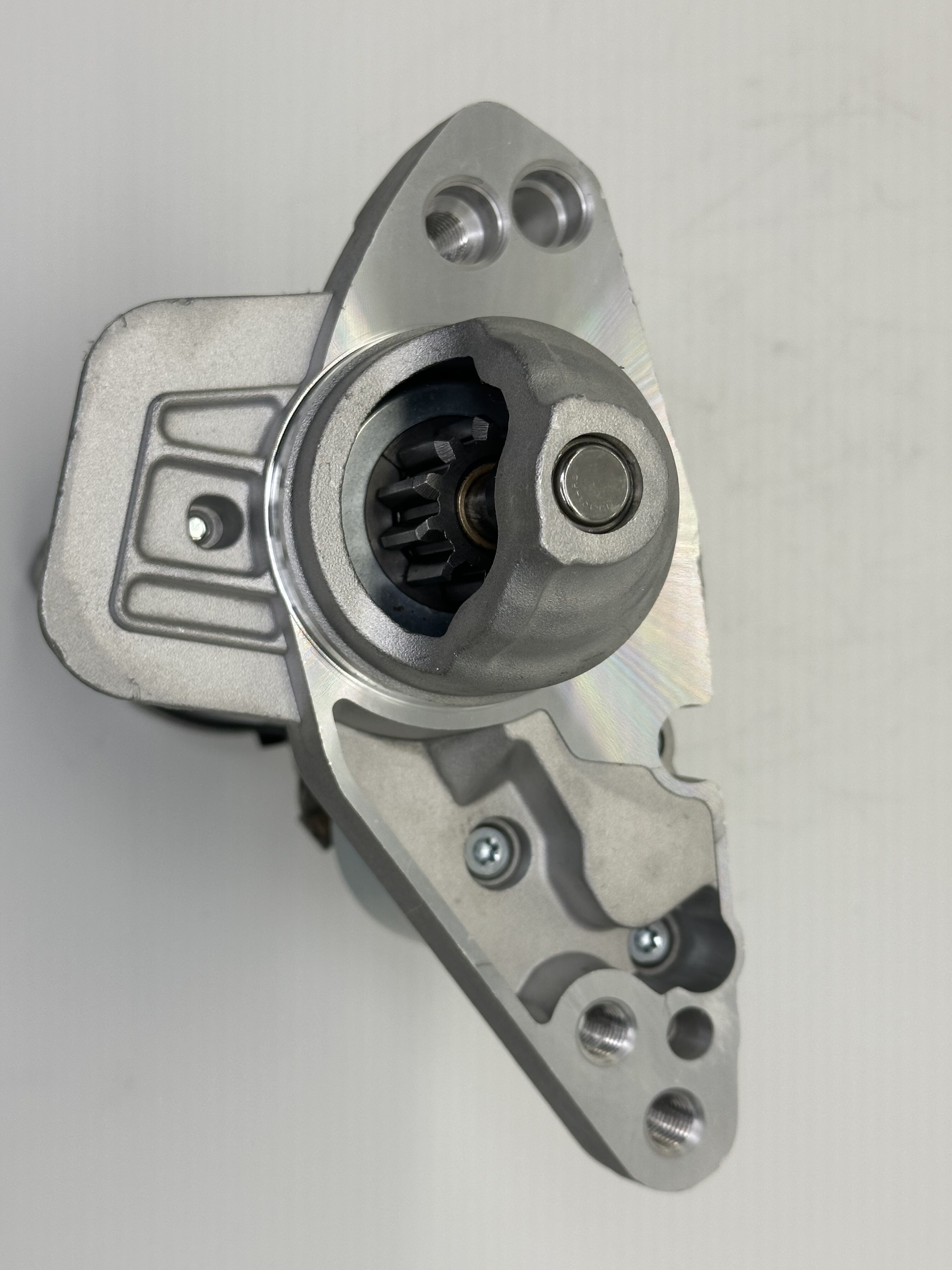
Industrial applications demand reliable power generation solutions that can withstand demanding operational conditions while delivering consistent electrical output. When evaluating power generation options for industrial use, a single phase alternator emerges as a critical component that converts mechanical energy into electrical energy through electromagnetic induction. The selection process requires careful consideration of multiple technical specifications, environmental factors, and operational requirements to ensure optimal performance and longevity. Understanding the fundamental principles and key selection criteria will enable industrial professionals to make informed decisions that align with their specific power generation needs.
Understanding Single Phase Alternator Fundamentals
Working Principles and Construction
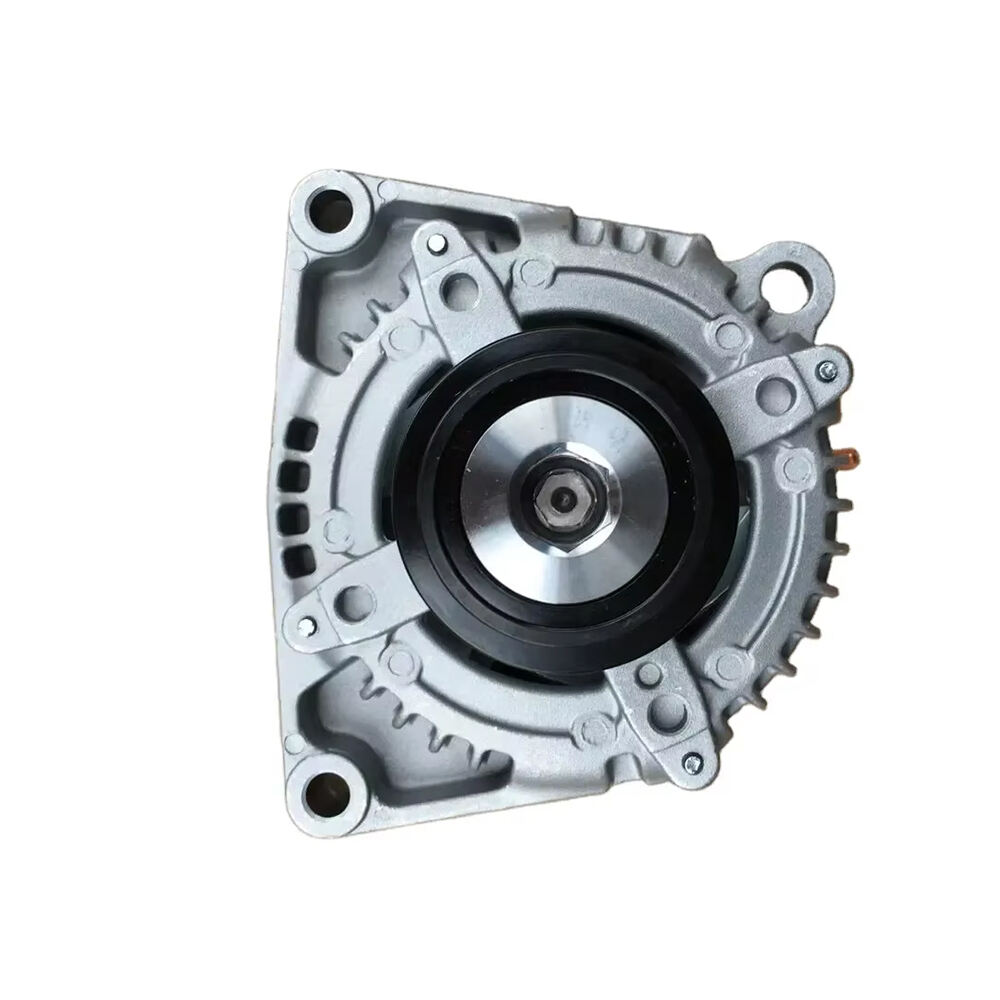
A single phase alternator operates on the principle of electromagnetic induction, where a rotating magnetic field induces an alternating current in stationary windings. The construction consists of a rotor assembly containing permanent magnets or electromagnets that rotates within a stator housing equipped with copper windings. As the rotor spins, the magnetic field lines cut through the stator windings, generating an alternating voltage output. This fundamental design allows for efficient conversion of mechanical energy from prime movers such as diesel engines, gas turbines, or electric motors into usable electrical power.
The stator winding configuration in a single phase alternator typically features two poles positioned 180 degrees apart, creating a sinusoidal voltage output. The frequency of the generated electricity directly correlates with the rotational speed of the rotor and the number of magnetic poles present. Industrial applications commonly require 50Hz or 60Hz output frequencies, necessitating precise speed control of the prime mover. The voltage regulation mechanism, often incorporating automatic voltage regulators, maintains consistent output voltage despite varying load conditions and rotational speed fluctuations.
Advantages in Industrial Applications
Single phase alternators offer several distinct advantages for specific industrial applications where three-phase power is not required or available. Their simplified construction results in lower manufacturing costs and reduced maintenance requirements compared to three-phase counterparts. The single-phase output is particularly suitable for powering lighting systems, small motors, heating elements, and electronic equipment commonly found in industrial facilities. Additionally, the compact design and lighter weight make them ideal for portable power generation applications and backup power systems.
The inherent simplicity of single phase alternators translates to improved reliability and reduced failure points, making them excellent choices for critical backup power applications. Their compatibility with standard single-phase electrical infrastructure eliminates the need for complex phase conversion equipment. Furthermore, the lower initial investment and operational costs make them economically attractive for small to medium-scale industrial operations where power requirements do not justify the expense of three-phase systems.
Technical Specifications and Performance Parameters
Power Output and Voltage Ratings
The power output capacity of a single phase alternator represents one of the most critical selection criteria for industrial applications. Power ratings typically range from a few kilowatts for small applications to several hundred kilowatts for larger industrial requirements. The continuous power rating indicates the maximum load the alternator can sustain indefinitely under specified operating conditions, while standby power ratings define short-term peak capacity for emergency situations. Understanding the difference between these ratings is essential for proper sizing and preventing premature failure due to overloading.
Voltage output specifications must align with the electrical system requirements of the industrial facility. Standard single-phase voltages include 120V, 240V, and 480V, with some specialized applications requiring custom voltage configurations. The voltage regulation capability, expressed as a percentage of nominal voltage, indicates the alternator's ability to maintain stable output under varying load conditions. High-quality industrial alternators typically maintain voltage regulation within ±2% to ±5% of nominal values, ensuring consistent power quality for sensitive equipment.
Frequency Control and Stability
Frequency stability is paramount in industrial applications where equipment performance depends on precise electrical frequency. The frequency output of a single phase alternator is directly proportional to the rotational speed of the prime mover and the number of magnetic poles. Electronic governors and automatic frequency control systems maintain stable frequency output despite load variations and external disturbances. Industrial standards typically require frequency regulation within ±1% to ±3% of nominal frequency for optimal equipment operation.
Advanced frequency control systems incorporate digital controllers that monitor load conditions and automatically adjust prime mover speed to maintain precise frequency output. These systems can respond to load changes within milliseconds, preventing frequency deviations that could damage sensitive industrial equipment. The frequency response characteristics, including settling time and overshoot parameters, should be evaluated based on the specific requirements of connected loads and the criticality of frequency-sensitive equipment.
Environmental and Operational Considerations
Operating Environment Assessment
Industrial environments present unique challenges that significantly impact the selection and performance of single phase alternators. Temperature extremes, humidity levels, dust concentration, and corrosive atmospheres all influence alternator design requirements and operational lifespan. High-temperature environments necessitate enhanced cooling systems and temperature-resistant insulation materials to prevent premature winding failure. Cold climate applications may require heating elements and low-temperature lubricants to ensure reliable starting and operation.
Dust and particulate contamination require appropriate enclosure ratings and filtration systems to protect internal components. Industrial alternators often feature IP54 or IP55 enclosure ratings to provide adequate protection against dust ingress and water spray. Corrosive environments, such as chemical processing facilities or coastal installations, demand special coatings and materials to resist chemical attack and salt spray corrosion. The selection of appropriate protective measures directly impacts maintenance requirements and operational costs over the alternator's service life.
Installation and Mounting Requirements
Proper installation and mounting significantly influence the performance and longevity of single phase alternators in industrial applications. Foundation requirements must accommodate the alternator's weight and minimize vibration transmission to prevent mechanical stress and noise issues. Alignment between the alternator and prime mover is critical for reducing bearing wear and ensuring smooth operation. Flexible couplings or belt drives can accommodate minor misalignments while providing vibration isolation.
Ventilation requirements ensure adequate cooling airflow to maintain optimal operating temperatures. Industrial installations often require forced ventilation systems to remove heat generated during operation. Electrical connections must comply with local electrical codes and provide adequate current-carrying capacity for the rated output. Ground fault protection and overcurrent protection devices should be properly sized and coordinated to provide reliable system protection without nuisance tripping.
Maintenance and Lifecycle Management
Preventive Maintenance Strategies
Implementing comprehensive preventive maintenance programs maximizes the operational lifespan and reliability of single phase alternators in industrial environments. Regular inspection schedules should include visual examinations of external components, cleaning of ventilation openings, and monitoring of operating temperatures and vibration levels. Bearing lubrication according to manufacturer specifications prevents premature failure and maintains smooth operation. Electrical connections require periodic inspection and tightening to prevent resistance heating and potential fire hazards.
Condition monitoring technologies enable proactive maintenance by identifying developing problems before they result in failures. Vibration analysis can detect bearing wear, misalignment, or rotor imbalance issues. Thermal imaging identifies hot spots in electrical connections and windings. Insulation resistance testing monitors the condition of stator windings and identifies deterioration before insulation failure occurs. These diagnostic tools enable maintenance teams to schedule repairs during planned outages rather than experiencing unexpected failures.
Performance Monitoring and Optimization
Continuous performance monitoring systems track key operational parameters including voltage output, current draw, frequency stability, and operating temperature. Digital monitoring systems can log historical data and identify trends that indicate developing problems or performance degradation. Load factor analysis helps optimize alternator sizing and identify opportunities for improved efficiency. Power quality monitoring ensures that voltage and frequency remain within acceptable limits for connected equipment.
Performance optimization involves regular calibration of control systems, adjustment of voltage regulators, and fine-tuning of governor settings. Load bank testing verifies alternator performance under controlled conditions and identifies any deviations from specifications. Efficiency measurements help quantify fuel consumption and operational costs, enabling cost-benefit analysis for potential upgrades or replacements. Regular performance reviews ensure that the alternator continues to meet the evolving needs of the industrial facility.
Selection Criteria and Decision Framework
Load Analysis and Sizing
Accurate load analysis forms the foundation for proper single phase alternator selection in industrial applications. The analysis must consider both steady-state loads and transient load conditions, including motor starting currents, welding equipment, and other high-inrush current devices. Load diversity factors account for the fact that not all connected loads operate simultaneously at full capacity. Peak demand analysis identifies the maximum power requirement that the alternator must supply while maintaining voltage and frequency within acceptable limits.
Future load growth projections should be incorporated into the sizing analysis to avoid premature obsolescence and the need for costly upgrades. Safety margins typically range from 10% to 25% above calculated maximum demand, depending on the criticality of the application and the accuracy of load projections. Harmonic analysis may be necessary for applications with significant nonlinear loads such as variable frequency drives or electronic equipment that could impact alternator performance and power quality.
Economic Evaluation Methods
Economic evaluation of single phase alternator options requires comprehensive analysis of initial capital costs, installation expenses, operational costs, and maintenance requirements over the expected service life. Life cycle cost analysis provides a framework for comparing alternatives with different initial costs and operational characteristics. Fuel consumption, maintenance labor, spare parts availability, and expected replacement intervals all contribute to the total cost of ownership.
Return on investment calculations help justify premium features that may reduce operational costs or improve reliability. The value of improved reliability must be quantified in terms of avoided downtime costs, reduced maintenance expenses, and extended service life. Financing options, warranty terms, and service support availability also influence the economic evaluation. Sensitivity analysis helps identify the factors that most significantly impact the economic outcome and guides decision-making under uncertainty.
FAQ
What is the typical lifespan of a single phase alternator in industrial applications?
The typical lifespan of a single phase alternator in industrial applications ranges from 15 to 25 years, depending on operating conditions, maintenance practices, and load factors. Alternators operating in clean environments with proper maintenance and moderate load factors often exceed 20 years of service life. Harsh industrial environments with high temperatures, dust, or corrosive atmospheres may reduce service life to 10-15 years. Regular maintenance, proper installation, and avoiding overloading are key factors in maximizing alternator lifespan.
How do I determine the correct power rating for my industrial application?
Determining the correct power rating requires comprehensive load analysis including all connected equipment, starting currents, and future expansion plans. Calculate the total connected load, apply appropriate demand factors based on load types, and add a safety margin of 10-25%. Consider peak loads, motor starting requirements, and any special equipment with high inrush currents. Consult with electrical engineers or alternator manufacturers for complex applications to ensure accurate sizing and avoid costly over or under-sizing mistakes.
What maintenance is required for single phase alternators in industrial environments?
Regular maintenance includes visual inspections, cleaning of cooling air passages, checking and tightening electrical connections, bearing lubrication, and monitoring of operating parameters. Monthly inspections should check for unusual noise, vibration, or temperature increases. Annual maintenance typically includes insulation resistance testing, load bank testing, and detailed component inspection. Harsh environments may require more frequent cleaning and inspection intervals. Following manufacturer maintenance schedules and using qualified technicians ensures optimal performance and longevity.
Can single phase alternators be paralleled for increased capacity?
Single phase alternators can be paralleled to increase total system capacity, but this requires sophisticated synchronization and load-sharing controls. Successful paralleling demands matching voltage, frequency, and phase relationships between units. Automatic synchronization equipment monitors these parameters and controls the connection process. Load sharing controls ensure equal distribution of electrical load between parallel units. While technically feasible, paralleling single phase alternators is more complex and costly than using a single larger unit, making it practical only in specific applications where redundancy or modular capacity is essential.
Table of Contents
- Understanding Single Phase Alternator Fundamentals
- Technical Specifications and Performance Parameters
- Environmental and Operational Considerations
- Maintenance and Lifecycle Management
- Selection Criteria and Decision Framework
-
FAQ
- What is the typical lifespan of a single phase alternator in industrial applications?
- How do I determine the correct power rating for my industrial application?
- What maintenance is required for single phase alternators in industrial environments?
- Can single phase alternators be paralleled for increased capacity?