
 EN
EN
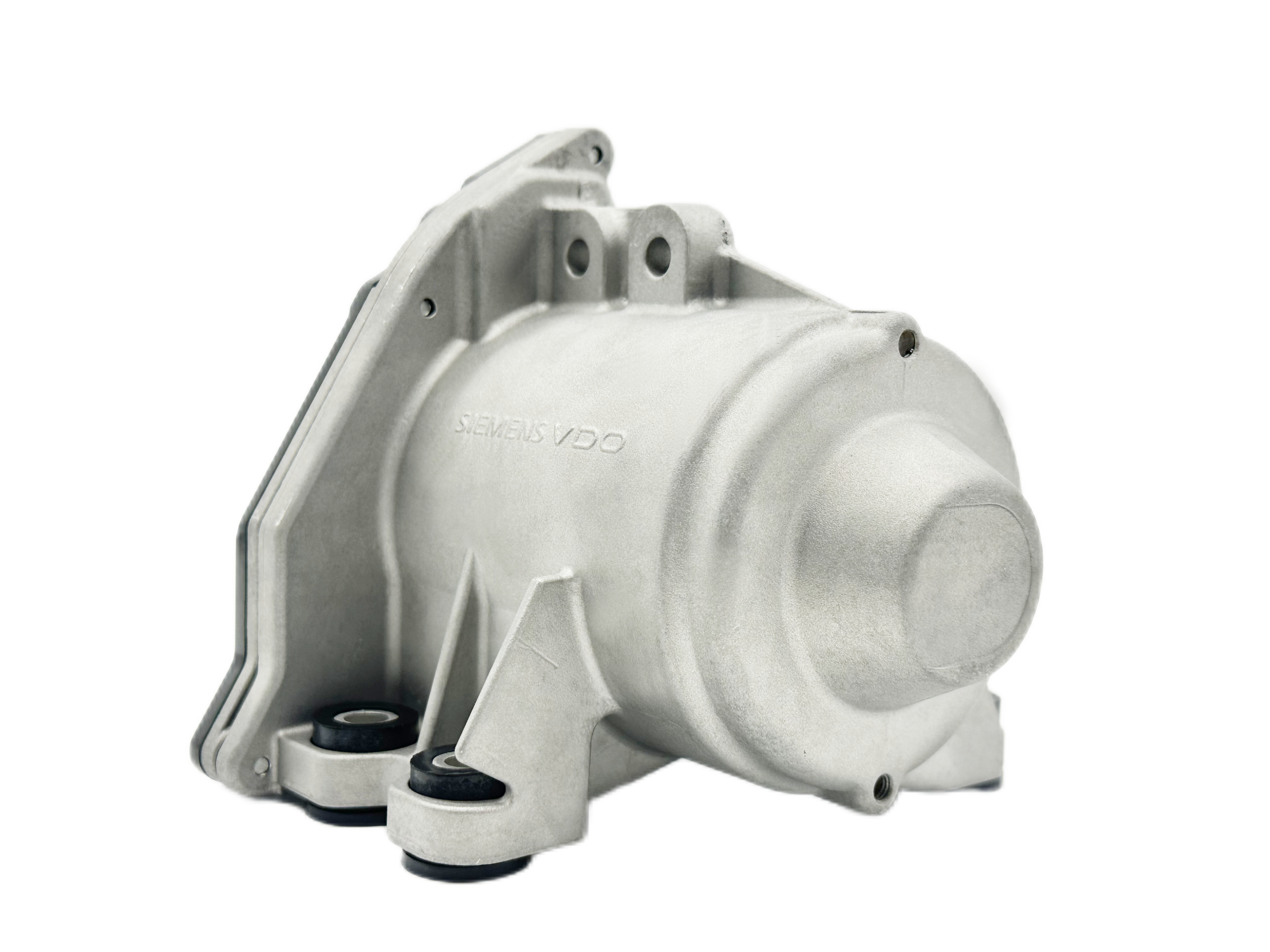
The automotive industry demands exceptional quality and reliability from every component, and water pumps are no exception. Car water pump suppliers face the critical responsibility of delivering products that maintain engine cooling systems effectively while meeting stringent automotive standards. These suppliers employ comprehensive quality assurance processes, advanced manufacturing technologies, and rigorous testing protocols to ensure their products perform reliably under demanding conditions. Understanding how these suppliers maintain quality standards provides valuable insight into the automotive supply chain and helps buyers make informed decisions when selecting cooling system components.

Manufacturing Excellence and Quality Control Systems
Advanced Production Facilities
Leading car water pump suppliers invest heavily in state-of-the-art manufacturing facilities equipped with precision machinery and automated production lines. These facilities incorporate computer-controlled machining centers that ensure consistent dimensional accuracy and surface finish quality. The manufacturing environment maintains strict cleanliness standards to prevent contamination during assembly processes. Temperature and humidity controls create optimal conditions for consistent material properties and adhesive curing processes.
Modern production lines feature integrated quality monitoring systems that track critical parameters throughout the manufacturing process. Real-time data collection enables immediate identification and correction of deviations from specified tolerances. Automated inspection stations use laser measurement systems and coordinate measuring machines to verify component dimensions before assembly. These technological investments ensure that every water pump meets precise specifications before leaving the production floor.
Material Selection and Sourcing
Quality begins with material selection, and reputable suppliers maintain strict standards for all raw materials and components. Premium suppliers source materials only from certified vendors who demonstrate consistent quality and reliability. Aluminum alloys, cast iron, and specialized plastics undergo thorough incoming inspection to verify chemical composition, mechanical properties, and dimensional accuracy. Material certifications and test reports accompany every shipment to maintain full traceability throughout the supply chain.
Critical components such as bearings, seals, and impellers receive particular attention during the sourcing process. Suppliers establish long-term partnerships with component manufacturers who specialize in automotive applications and understand the demanding performance requirements. Regular supplier audits and performance reviews ensure continued compliance with quality standards. This comprehensive approach to material sourcing creates a foundation for reliable water pump performance throughout the product lifecycle.
Testing and Validation Protocols
Performance Testing Standards
Comprehensive testing protocols form the backbone of quality assurance for car water pump suppliers. Each product undergoes rigorous performance testing that simulates real-world operating conditions and stress scenarios. Flow rate testing verifies that pumps deliver specified coolant circulation rates across various engine speeds and operating temperatures. Pressure testing ensures that pump housings withstand maximum system pressures without leakage or structural failure.
Endurance testing subjects water pumps to extended operation cycles that exceed typical vehicle service life expectations. These tests run continuously for thousands of hours while monitoring performance parameters such as flow rate, pressure differential, and bearing condition. Temperature cycling tests expose pumps to extreme hot and cold conditions to verify thermal expansion compatibility and seal integrity. Vibration testing simulates engine-induced vibrations to ensure long-term durability under dynamic operating conditions.
Quality Certification Processes
Industry certifications provide independent validation of quality management systems and product compliance. ISO 9001 certification demonstrates that suppliers maintain systematic quality management processes with continuous improvement focus. TS 16949 automotive quality certification specifically addresses automotive industry requirements for defect prevention and variation reduction. These certifications require regular audits by independent third parties to verify ongoing compliance with established standards.
Product certifications from original equipment manufacturers represent the highest level of quality validation. OEM approval processes involve extensive testing, validation, and quality system reviews that can span multiple years. Suppliers must demonstrate statistical process control capabilities, supply chain management excellence, and long-term quality performance. These certifications enable suppliers to provide OEM-equivalent replacement parts with confidence in their reliability and performance.
Supply Chain Management and Traceability
Vendor Qualification Programs
Effective supply chain management begins with comprehensive vendor qualification programs that evaluate potential suppliers across multiple criteria. Quality management system assessments verify that component suppliers maintain appropriate quality controls and continuous improvement processes. Technical capability evaluations ensure that vendors possess the necessary equipment, expertise, and capacity to meet demanding automotive requirements. Financial stability assessments reduce supply chain risks and ensure long-term partnership viability.
Ongoing vendor performance monitoring tracks key metrics such as quality performance, delivery reliability, and responsiveness to issues. Monthly scorecards provide objective feedback to suppliers and identify opportunities for improvement. Regular business reviews facilitate collaborative problem-solving and strategic planning between car water pump suppliers and their component vendors. This systematic approach to vendor management creates a reliable supply chain that supports consistent product quality.
Lot Tracking and Documentation
Comprehensive lot tracking systems enable complete traceability from raw materials through finished product delivery. Each production lot receives unique identification codes that link to detailed manufacturing records, test results, and material certifications. Electronic database systems maintain this information for extended periods to support warranty claims, field issue investigations, and continuous improvement initiatives. Barcode scanning and RFID technology automate data collection to ensure accuracy and completeness.
Documentation systems capture critical information at every stage of the manufacturing process. Process parameter logs record actual operating conditions during production to enable correlation with product performance data. Quality inspection records provide objective evidence of compliance with specifications and standards. Shipping documentation includes batch numbers and test certificates to maintain traceability through distribution channels to end customers.
Continuous Improvement and Innovation
Data-Driven Quality Enhancement
Statistical process control methodologies enable car water pump suppliers to identify trends and prevent quality issues before they impact customers. Control charts track critical process parameters and product characteristics to detect variations that could lead to defects. Capability studies verify that manufacturing processes consistently produce products within specification limits. This data-driven approach enables proactive quality management and continuous process optimization.
Root cause analysis techniques systematically investigate quality issues to identify underlying causes and implement permanent corrective actions. Failure mode and effects analysis proactively identifies potential failure modes and implements preventive measures. Cross-functional teams collaborate to address complex quality challenges and share best practices across multiple product lines. Regular quality reviews analyze performance trends and establish improvement priorities based on customer feedback and field performance data.
Technology Integration and Automation
Advanced manufacturing technologies continue to enhance quality capabilities and reduce variation in water pump production. Robotic assembly systems eliminate human error in critical assembly operations while ensuring consistent torque application and component positioning. Vision inspection systems automatically detect surface defects, dimensional variations, and assembly errors that might escape manual inspection. Machine learning algorithms analyze production data to predict potential quality issues and optimize process parameters.
Digital twin technology enables virtual testing and optimization of new designs before physical prototyping begins. Computational fluid dynamics modeling predicts water pump performance characteristics and identifies design improvements for enhanced efficiency and durability. Predictive maintenance systems monitor equipment condition to prevent production disruptions that could impact product quality. These technological innovations enable suppliers to maintain competitive advantages while delivering superior quality products.
FAQ
What certifications should I look for when selecting car water pump suppliers
Look for suppliers with ISO 9001 quality management certification and TS 16949 automotive industry certification as minimum requirements. OEM certifications from major automotive manufacturers provide additional assurance of quality capabilities. Industry-specific certifications such as IATF 16949 demonstrate commitment to automotive quality standards and continuous improvement processes.
How do suppliers ensure water pump compatibility with different vehicle models
Reputable suppliers maintain comprehensive application databases that specify exact fitment requirements for each vehicle make, model, and engine configuration. They use OEM part numbers and specifications to ensure precise dimensional matching and performance characteristics. Computer-aided design systems verify compatibility during product development, while extensive testing validates performance in specific vehicle applications.
What testing procedures do quality suppliers perform on water pumps
Quality suppliers conduct flow rate testing, pressure testing, endurance testing, and temperature cycling tests on every product line. Performance testing verifies that pumps meet specified flow rates and pressure requirements across operating ranges. Durability testing subjects products to extended operation cycles that exceed normal service life expectations to ensure long-term reliability.
How can buyers verify the quality reputation of water pump suppliers
Research supplier certifications, customer testimonials, and industry recognition awards to assess quality reputation. Request quality documentation such as test certificates, process control charts, and supplier audit reports. Contact existing customers or industry references to obtain feedback about supplier performance, reliability, and responsiveness to quality issues.