
 EN
EN
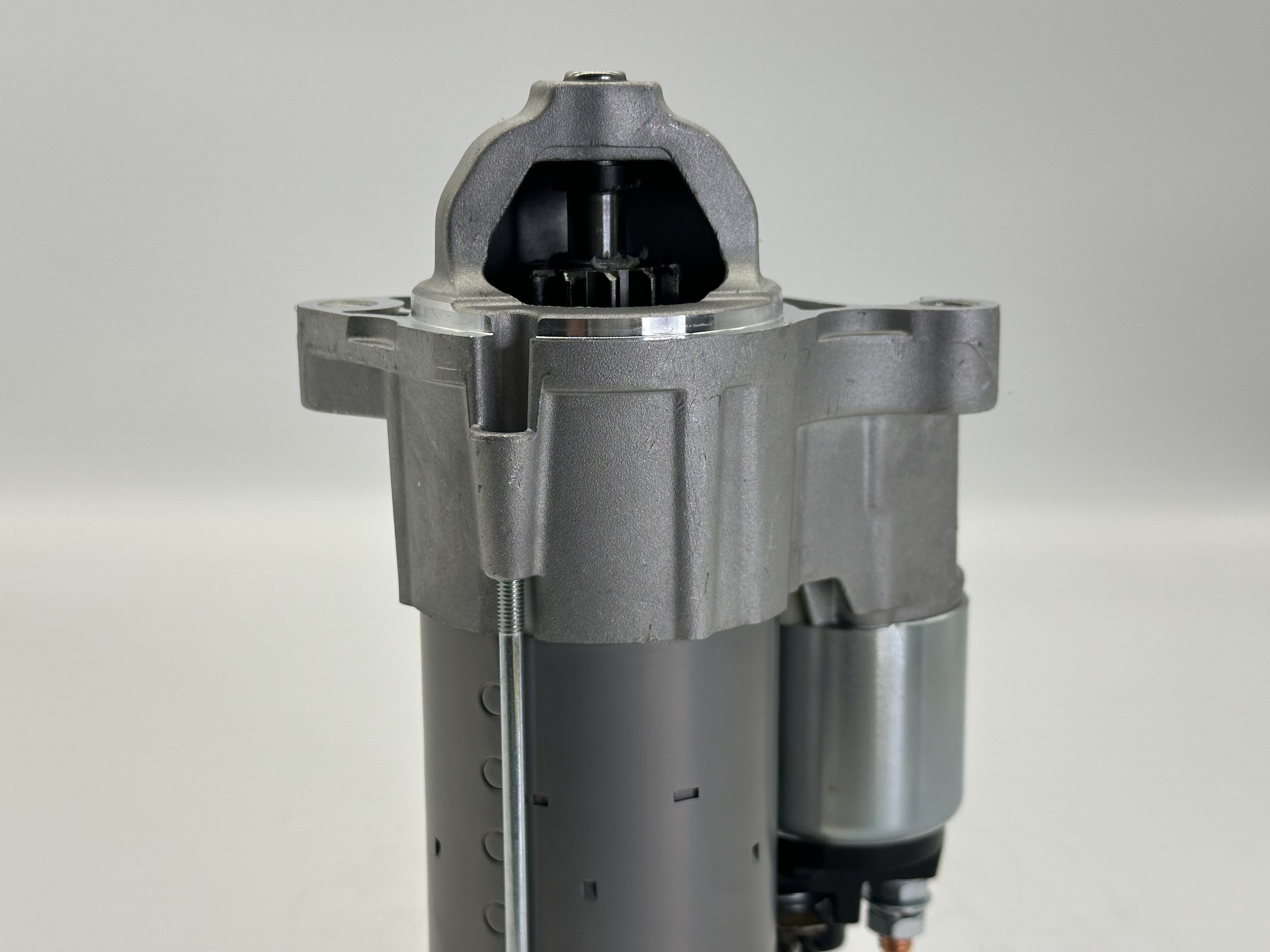
The BMW N20 N55 electric water pump represents a critical component in modern BMW engines, serving as the heart of the cooling system that maintains optimal engine temperature. Unlike traditional mechanical water pumps driven by the engine's serpentine belt, the BMW N20 N55 electric water pump operates independently, providing precise coolant flow control and improved fuel efficiency. When this sophisticated component fails, it can lead to catastrophic engine damage if not addressed promptly. Understanding the symptoms, diagnostic procedures, and replacement options for the BMW N20 N55 electric water pump is essential for BMW owners and automotive professionals alike.

Understanding BMW N20 and N55 Engine Architecture
N20 Engine Specifications and Applications
The BMW N20 engine debuted in 2011 as a turbocharged four-cylinder powerplant designed to replace the naturally aspirated N52 and N53 engines. This 2.0-liter engine features advanced technologies including direct injection, variable valve timing, and an integrated electric water pump system. The BMW N20 N55 electric water pump in N20 applications operates at variable speeds to optimize cooling efficiency based on engine load and temperature requirements. Found in popular models like the 320i, 328i, X1, and X3, the N20 engine relies heavily on its electric water pump for consistent thermal management.
The electric water pump design in N20 engines eliminates the parasitic drag associated with belt-driven pumps, contributing to improved fuel economy and reduced emissions. The pump receives signals from the engine control module to adjust flow rates according to real-time cooling demands. This sophisticated approach to coolant circulation makes the BMW N20 N55 electric water pump an integral component that requires careful monitoring and maintenance to ensure long-term reliability.
N55 Engine Design and Cooling System Integration
The BMW N55 engine, introduced in 2009, represents BMW's twin-turbocharged inline-six powerplant that succeeded the beloved N54 engine. The N55's single twin-scroll turbocharger and direct injection system generate substantial heat, making the BMW N20 N55 electric water pump crucial for maintaining optimal operating temperatures. This 3.0-liter engine powers high-performance models including the 335i, Z4, and various M Performance vehicles, where cooling system reliability is paramount.
In N55 applications, the electric water pump works in conjunction with additional cooling components like the charge air cooler and oil cooler to manage the increased thermal loads generated by forced induction. The pump's ability to operate independently of engine RPM allows for continued coolant circulation even after engine shutdown, helping to prevent heat soak in turbocharger components. This makes the BMW N20 N55 electric water pump particularly important in high-performance applications where thermal management directly impacts engine longevity.
Common Symptoms of Electric Water Pump Failure
Early Warning Signs and Dashboard Indicators
The initial symptoms of BMW N20 N55 electric water pump failure often manifest as subtle changes in engine behavior that can easily be overlooked. One of the earliest indicators is intermittent overheating, particularly during low-speed driving or idling conditions when the electric pump should compensate for reduced airflow through the radiator. Drivers may notice the temperature gauge climbing higher than normal or fluctuating erratically, suggesting inconsistent coolant flow from a failing electric water pump.
Dashboard warning lights provide critical early warning of pump failure, with the engine temperature warning light and check engine light being the most common indicators. Modern BMW diagnostic systems monitor electric water pump operation continuously, storing fault codes when pump performance falls outside acceptable parameters. These electronic warnings often appear before physical symptoms become apparent, making regular diagnostic scanning essential for early detection of BMW N20 N55 electric water pump issues.
Physical Symptoms and Performance Impact
As the BMW N20 N55 electric water pump deteriorates, more pronounced symptoms emerge that directly impact vehicle performance and safety. Coolant leaks around the pump housing represent a common failure mode, often appearing as puddles of green or blue fluid beneath the vehicle after parking. These leaks typically start small but can rapidly worsen, leading to significant coolant loss and potential engine damage if not addressed promptly.
Unusual noises from the engine bay, particularly grinding, whining, or clicking sounds, may indicate bearing failure or impeller damage within the electric water pump. These mechanical symptoms often coincide with reduced cooling system pressure and poor heat circulation, resulting in uneven engine temperatures and potential hot spots. In severe cases, complete pump failure can cause rapid overheating, steam from the engine bay, and automatic engine protection modes that limit power output to prevent catastrophic damage.
Diagnostic Procedures and Testing Methods
Electronic Diagnostics and Fault Code Analysis
Professional diagnosis of BMW N20 N55 electric water pump problems begins with comprehensive electronic scanning using BMW-specific diagnostic equipment. The engine control module monitors pump operation through current draw analysis, temperature sensor feedback, and flow rate calculations, storing detailed fault codes when anomalies are detected. Common diagnostic trouble codes related to electric water pump failure include coolant temperature sensor malfunctions, thermostat regulation errors, and pump motor circuit faults.
Advanced diagnostic procedures involve live data monitoring while the engine operates under various load conditions. Technicians can observe real-time pump speed, coolant temperatures at multiple points, and electrical parameters to identify performance degradation before complete failure occurs. This proactive approach to BMW N20 N55 electric water pump diagnosis allows for planned replacement rather than emergency repairs, potentially preventing costly engine damage from overheating events.
Physical Inspection and Performance Testing
Visual inspection of the cooling system provides valuable diagnostic information that complements electronic testing. Examining the BMW N20 N55 electric water pump housing for signs of coolant leakage, corrosion, or physical damage helps identify failure mechanisms and potential contributing factors. Pressure testing the cooling system reveals leaks that may not be visible during static inspection, while flow testing verifies actual coolant circulation rates against manufacturer specifications.
Temperature measurement at various cooling system points using infrared thermometers or temperature probes can reveal circulation problems caused by pump failure. Comparing inlet and outlet temperatures across the radiator, engine block, and heater core provides insight into coolant flow patterns and heat transfer efficiency. These physical diagnostic methods, combined with electronic analysis, create a comprehensive picture of BMW N20 N55 electric water pump health and cooling system performance.
Replacement Options and Quality Considerations
Original Equipment Manufacturer Parts
BMW original equipment manufacturer parts represent the gold standard for BMW N20 N55 electric water pump replacement, offering exact fitment and performance characteristics identical to factory specifications. These genuine BMW components undergo rigorous testing and quality control processes to ensure compatibility with the sophisticated engine management systems found in N20 and N55 engines. While OEM parts typically command premium pricing, their reliability and warranty coverage often justify the investment, particularly for high-mileage vehicles or those used in demanding applications.
OEM electric water pumps include updated designs that address known failure modes from earlier production runs, incorporating improved bearing materials, enhanced sealing systems, and optimized impeller geometries. These engineering refinements result in extended service life and improved performance compared to older pump designs. For BMW owners prioritizing long-term reliability and maintaining factory warranty coverage, genuine OEM parts represent the safest replacement choice for BMW N20 N55 electric water pump applications.
Aftermarket Alternatives and Performance Options
The aftermarket offers numerous alternatives to OEM BMW N20 N55 electric water pump replacements, ranging from economy-focused options to performance-enhanced designs. Quality aftermarket manufacturers like Febi, Graf, and Hepu produce electric water pumps that meet or exceed OEM specifications while offering competitive pricing and availability. These reputable brands utilize advanced materials and manufacturing processes to create reliable alternatives that provide excellent value for cost-conscious BMW owners.
Performance-oriented aftermarket electric water pumps may feature enhanced flow rates, improved motor efficiency, or upgraded internal components designed for high-stress applications. These specialized pumps cater to modified vehicles, track-driven cars, or applications where standard cooling capacity proves insufficient. When selecting aftermarket BMW N20 N55 electric water pump options, careful attention to specifications, warranty terms, and manufacturer reputation ensures optimal results and long-term satisfaction.
Installation Procedures and Technical Considerations
Preparation and Safety Protocols
Proper installation of a BMW N20 N55 electric water pump requires careful preparation and adherence to safety protocols to prevent injury and ensure successful completion. The procedure begins with allowing the engine to cool completely, as working on hot cooling system components poses serious burn risks from pressurized coolant and heated surfaces. Proper shop ventilation and spill containment measures protect against coolant vapor exposure and environmental contamination during the replacement process.
Essential tools for BMW N20 N55 electric water pump installation include metric socket sets, torque wrenches, coolant drain pans, and BMW-specific diagnostic equipment for system bleeding and verification. Professional-grade coolant recovery and recycling equipment ensures proper handling of used antifreeze while minimizing environmental impact. Pre-installation inspection of related components like hoses, clamps, and thermostat housing helps identify additional maintenance needs that should be addressed during pump replacement.
Step-by-Step Installation Process
The BMW N20 N55 electric water pump installation process begins with complete coolant system drainage and removal of components necessary to access the pump housing. This typically involves removing the cooling fan assembly, air intake components, and various hoses to create adequate working space. Careful documentation of electrical connections and hose routing during disassembly prevents confusion during reassembly and ensures proper system function.
Installation of the new electric water pump requires precise torque specifications for mounting bolts and proper sealing of all coolant connections to prevent leaks. The pump's electrical connector must be secured and protected from moisture ingress, while coolant hoses should be inspected and replaced if showing signs of deterioration. Post-installation procedures include system bleeding, pressure testing, and diagnostic verification to confirm proper BMW N20 N55 electric water pump operation before returning the vehicle to service.
Preventive Maintenance and Longevity Tips
Coolant System Maintenance Best Practices
Extending BMW N20 N55 electric water pump service life requires diligent attention to overall cooling system health and maintenance intervals. Regular coolant changes using BMW-approved antifreeze formulations prevent corrosion, scale buildup, and chemical degradation that can damage pump internal components. The factory-recommended coolant change interval of 4 years or 50,000 miles should be considered a maximum, with more frequent changes beneficial in harsh operating conditions or high-mileage vehicles.
Cooling system pressure testing during routine maintenance helps identify developing leaks before they cause pump damage or coolant loss. Air pockets in the cooling system can cause localized overheating and cavitation damage to the BMW N20 N55 electric water pump impeller, making proper bleeding procedures essential after any cooling system service. Regular inspection of hoses, clamps, and connections prevents sudden failures that could lead to pump damage from debris or inadequate coolant flow.
Operating Habits and Environmental Factors
Driver behavior and operating conditions significantly impact BMW N20 N55 electric water pump longevity, with certain practices promoting extended service life. Allowing proper warm-up periods before high-load driving helps ensure adequate lubrication and thermal expansion of pump components. Avoiding sudden temperature changes, such as turning off a hot engine and immediately adding cold coolant, prevents thermal shock that can damage pump housing and internal components.
Environmental factors like extreme temperatures, dusty conditions, and corrosive road chemicals accelerate wear on cooling system components including the electric water pump. Regular cleaning of radiator fins and cooling system external components maintains optimal heat dissipation and reduces thermal stress on the BMW N20 N55 electric water pump. Addressing cooling system issues promptly prevents cascading failures that could necessitate premature pump replacement and costly engine repairs.
FAQ
How long does a BMW N20 N55 electric water pump typically last
A BMW N20 N55 electric water pump typically lasts between 80,000 to 120,000 miles under normal operating conditions with proper maintenance. However, service life can vary significantly based on driving habits, maintenance history, and environmental factors. Regular coolant changes, proper system bleeding, and prompt attention to cooling system issues help maximize pump longevity and prevent premature failure.
What are the costs associated with BMW N20 N55 electric water pump replacement
BMW N20 N55 electric water pump replacement costs typically range from $800 to $1,500 including parts and labor, depending on the specific model, pump quality, and regional labor rates. OEM parts generally cost more than aftermarket alternatives, while the labor component varies based on engine configuration and additional components requiring removal for access. Emergency repairs often cost more than planned maintenance due to potential related damage and expedited service requirements.
Can I drive with a failing BMW N20 N55 electric water pump
Driving with a failing BMW N20 N55 electric water pump is not recommended and can result in catastrophic engine damage from overheating. While early-stage pump failure might allow limited driving with careful temperature monitoring, complete pump failure can cause rapid overheating that leads to warped cylinder heads, blown gaskets, or complete engine seizure. Immediate professional diagnosis and repair prevent costly engine damage and ensure safe vehicle operation.
What tools are required for BMW N20 N55 electric water pump diagnosis
Proper BMW N20 N55 electric water pump diagnosis requires BMW-specific diagnostic scanners capable of reading engine control module data and fault codes. Additional tools include digital multimeters for electrical testing, cooling system pressure testers, infrared thermometers for temperature measurement, and basic hand tools for component access. Professional-grade diagnostic equipment provides the most accurate assessment of pump condition and cooling system performance, enabling informed repair decisions and preventing unnecessary part replacement.