
 EN
EN
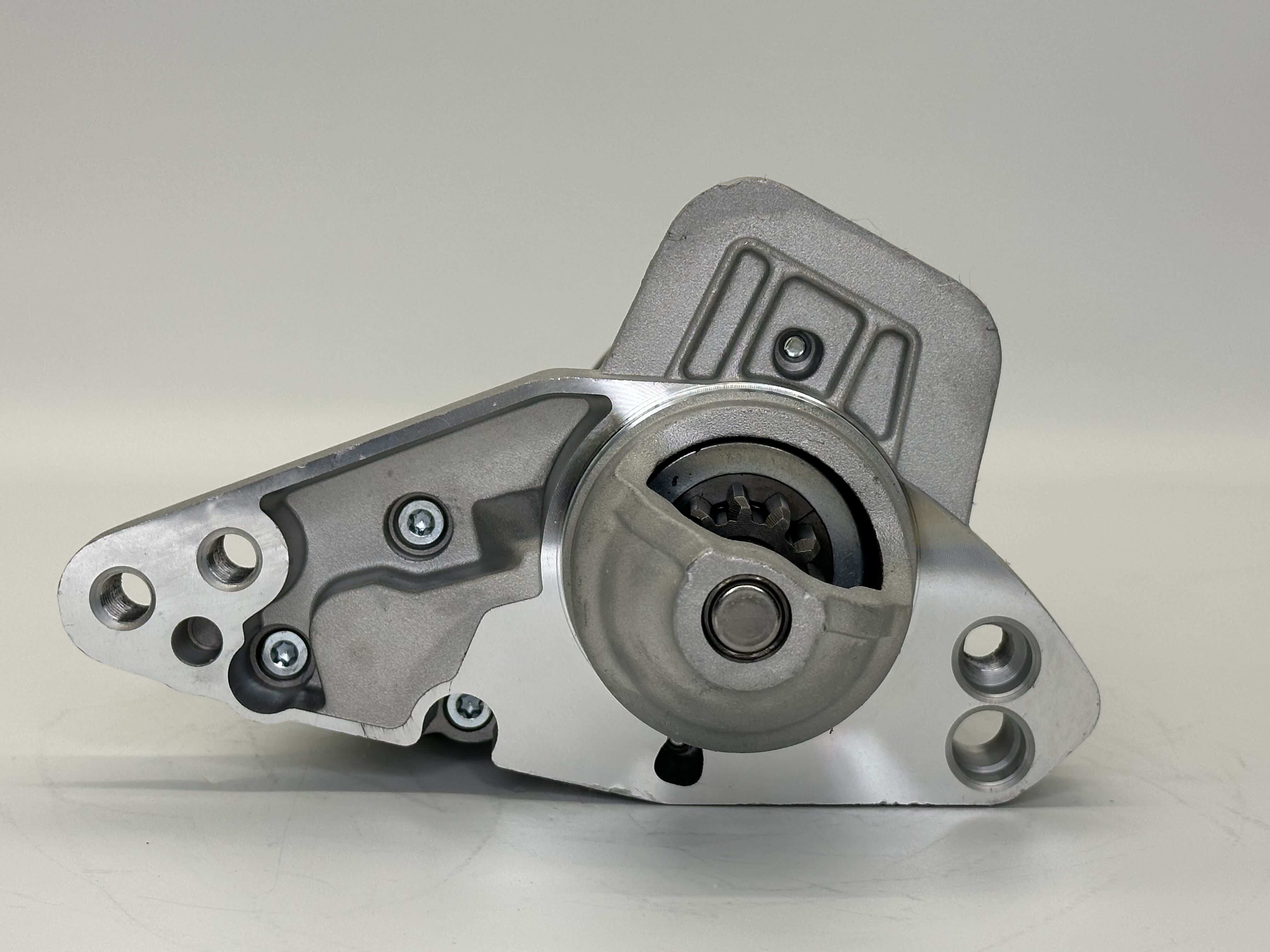
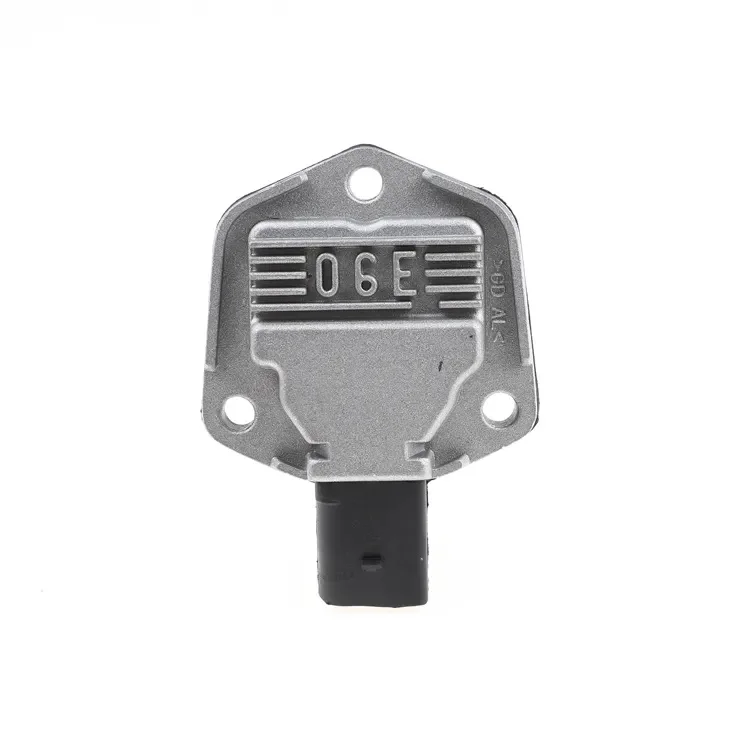
Aplikasi automotif dan industri moden sangat bergantung kepada sistem pemantauan yang tepat untuk memastikan prestasi optimum dan mencegah kegagalan peralatan yang mahal. Antara komponen kritikal ini, sensor paras minyak merupakan elemen asas yang secara langsung memberi kesan kepada jangka hayat enjin dan kecekapan operasi. Pendekatan kejuruteraan bersepadu telah merevolusikan cara reka bentuk, pengeluaran, dan pelaksanaan sensor ini, menghasilkan peningkatan ketara dalam kestabilan dan jangka hayat operasi yang lebih panjang. Memahami hubungan rumit antara penyepaduan kejuruteraan dan prestasi sensor memberikan wawasan berharga kepada profesional automotif, pasukan penyelenggaraan, dan pereka sistem yang mencari penyelesaian pemantauan yang boleh dipercayai.
Penyatuan Bahan Lanjutan dan Pengilangan
Bahan Sensor Prestasi Tinggi
Pendekatan kejuruteraan bersepadu bermula dengan pemilihan dan pengoptimuman bahan yang digunakan dalam pembinaan sensor aras minyak. Sensor moden menggunakan komposit polimer lanjutan dan seramik khas yang tahan terhadap degradasi kimia daripada pelbagai formulasi minyak. Bahan-bahan ini melalui protokol ujian yang ketat untuk memastikan keserasian dengan minyak sintetik, pelincir konvensional, dan keadaan suhu ekstrem. Proses penyepaduan melibatkan kejuruteraan peringkat molekul di mana bahan direkabentuk untuk mengekalkan integriti struktur mereka sepanjang tempoh operasi yang panjang.
Proses pengilangan menggunakan teknik acuan tepat yang menghapuskan titik tekanan dan kawasan lemah yang biasa ditemui dalam rekabentuk sensor konvensional. Dengan memanfaatkan perisian rekabentuk berbantuan komputer yang disepadukan dengan pangkalan data sains bahan, jurutera dapat meramal tingkah laku bahan di bawah pelbagai keadaan tekanan. Keupayaan ramalan ini membolehkan pengoptimuman ketebalan dinding, konfigurasi sambungan, dan rawatan permukaan yang secara langsung menyumbang kepada peningkatan jangka hayat sensor.
Proses pembuatan dengan ketepatan
Sistem pengilangan bersepadu menggunakan beberapa titik pemeriksaan kawalan kualiti sepanjang kitaran pengeluaran, memastikan ketepatan dimensi dan kualiti kemasan permukaan yang konsisten. Proses acuan suntikan terperinci menggunakan sistem pemantauan masa nyata yang melaras suhu, tekanan, dan kadar penyejukan bagi mengoptimumkan sifat bahan. Sistem automatik ini mengurangkan ralat manusia sambil mengekalkan had toleransi ketat yang penting untuk kesesuaian sensor dan integriti perenggan.
Pengintegrasian prinsip pengeluaran lean dengan automasi lanjutan menghasilkan pengurangan variasi pengeluaran dan peningkatan metrik kualiti keseluruhan. Kaedah kawalan proses statistik terus memantau parameter kritikal, membolehkan pelarasan serta-merta apabila penyimpangan berlaku. Pendekatan sistematik ini memastikan setiap sensor Takuk Minyak memenuhi spesifikasi prestasi yang ketat sebelum memasuki aplikasi perkhidmatan.
Pengintegrasian Sistem Elektronik dan Pemprosesan Isyarat
Litar Penyediaan Isyarat Lanjutan
Pendekatan kejuruteraan bersepadu moden menggabungkan litar elektronik canggih yang meningkatkan kestabilan isyarat dan mengurangkan kepekaan terhadap gangguan elektromagnetik. Litar-litar ini menggunakan algoritma pemprosesan isyarat digital yang menapis hingar sambil menguatkan isyarat pengukuran aras minyak yang sebenar. Pengintegrasian mikropemproses membolehkan pelarasan kalibrasi masa nyata yang mengimbangi variasi suhu dan kesan penuaan yang secara tradisinya merosakkan ketepatan sensor dari semasa ke semasa.
Sistem penguatan berperingkat memastikan kekuatan isyarat yang konsisten merentasi keseluruhan julat pengukuran, menghapuskan zon mati dan meningkatkan resolusi pada paras minyak yang kritikal. Litar penyediaan voltan bersepadu mengekalkan keadaan operasi yang stabil tanpa mengira turun naik voltan bekalan, iaitu punca biasa ketidaktentuan sensor dalam aplikasi automotif. Penambahbaikan elektronik ini berfungsi secara sinergi dengan peningkatan rekabentuk mekanikal untuk memberikan ciri prestasi yang unggul.
Kemampuan Diagnostik Berkecerdasan
Rekabentuk sensor paras minyak moden menggabungkan keupayaan diagnosis-diri yang terus memantau kesihatan sensor dan parameter prestasi. Sistem pintar ini boleh mengesan trend pencemaran, isu sambungan, dan mod kegagalan yang berkemungkinan sebelum menyebabkan kegagalan sensor sepenuhnya. Algoritma ramalan menganalisis corak isyarat dan keadaan persekitaran untuk menganggarkan baki jangka hayat sensor serta mencadangkan sela penyelenggaraan.
Integrasi dengan sistem diagnostik kenderaan atau peralatan membolehkan keupayaan pemantauan jarak jauh dan pencatatan data yang memberikan wawasan berharga mengenai corak operasi dan tekanan persekitaran. Kekoneksian ini membolehkan penjadualan penyelenggaraan proaktif serta membantu mengenal pasti isu sistem yang mungkin menjejaskan prestasi sensor. Gabungan kecerdasan tempatan dan integrasi secara keseluruhan sistem secara ketara memanjangkan jangka hayat operasi sensor sambil meningkatkan kebolehpercayaan sistem secara keseluruhan.
Perlindungan Persekitaran dan Teknologi Penyegelan
Sistem Penyegelan Lanjutan
Pendekatan kejuruteraan bersepadu menangani cabaran alam sekitar melalui pembangunan sistem penyegelan pelbagai halangan yang melindungi komponen elektronik sensitif daripada wap air, pencemar, dan pendedahan bahan kimia. Sistem-sistem ini menggunakan pelbagai teknologi penyegelan termasuk gelang O, gasket, dan kandungan hermetik yang direka untuk berfungsi bersama sebagai sistem perlindungan menyeluruh. Pemilihan bahan untuk komponen penyegelan mengambil kira keserasian kimia, kesan kitaran suhu, dan kestabilan elastomer jangka panjang.
Rekabentuk penyegel lanjutan menggabungkan ciri pelepasan tekanan yang membolehkan kembangan dan pengecutan haba tanpa menggugat integriti penyegelan. Pengintegrasian pelbagai teknologi penyegelan mencipta lapisan perlindungan berlebihan yang mengekalkan keberkesanannya walaupun komponen individu mengalami degradasi. Pendekatan berlapis-lapis ini secara ketara memperpanjangkan jangka hayat sensor dalam persekitaran operasi merbahaya di mana kaedah penyegelan konvensional tidak mencukupi.
Pengintegrasian Rintangan Kakisan
Strategi perlindungan kakisan menyeluruh menggabungkan rawatan permukaan, pemilihan bahan, dan ciri rekabentuk untuk mencegah kerosakan akibat pendedahan terhadap persekitaran. Salutan khas yang digunakan melalui proses bersepadu memberikan perlindungan penghalang sambil mengekalkan kekonduksian elektrik di mana diperlukan. Rawatan ini menjalani ujian menyeluruh untuk memastikan keserasian dengan pelbagai formulasi minyak dan keadaan persekitaran yang dihadapi dalam aplikasi perkhidmatan.
Pengintegrasian prinsip perlindungan katodik dalam rekabentuk sensor membantu mencegah kakisan galvanik apabila logam yang berbeza hadir dalam perakitan. Pemilihan bahan dan teknik pencegahan yang teliti meminimumkan tindak balas elektrokimia yang boleh merosakkan integriti sensor dari semasa ke semasa. Pendekatan kejuruteraan ini menghasilkan sensor yang mengekalkan ketepatan dan fungsi mereka sepanjang tempoh perkhidmatan yang panjang, walaupun dalam persekitaran yang mengakis.
Pengurusan Termal dan Peningkatan Kestabilan
Sistem Penyampai Suhu
Sistem pengurusan haba bersepadu menangani cabaran yang ditimbulkan oleh variasi suhu melampau dalam aplikasi automotif dan industri. Sistem-sistem ini menggabungkan sensor suhu yang memberikan pampasan masa nyata terhadap kesan haba pada ketepatan sensor. Algoritma secara berterusan melaras parameter pengukuran untuk mengekalkan ketepatan merentasi julat suhu operasi sepenuhnya, biasanya dari negatif empat puluh hingga positif seratus lima puluh darjah Celsius.
Teknik pengasingan haba yang diterapkan dalam rekabentuk perumahan sensor mengurangkan kesan fluktuasi suhu luaran terhadap komponen dalaman. Penempatan strategik halangan haba dan peresap haba membantu mengekalkan suhu operasi yang stabil bagi komponen elektronik kritikal. Kestabilan haba ini secara langsung menyumbang kepada peningkatan ketepatan pengukuran dan jangka hayat komponen yang lebih panjang dengan mengurangkan kitaran tekanan haba yang secara tradisinya menyebabkan kegagalan awal.
Optimum Pembebasan Haba
Sistem peresapan haba bersepadu menggunakan bahan lanjutan dan ciri rekabentuk untuk menguruskan beban terma yang dihasilkan oleh komponen elektronik semasa operasi. Bahan antara muka terma khas mengalirkan haba dari komponen sensitif sambil mengekalkan penebatan elektrik di mana diperlukan. Penyepaduan elemen penyejukan pasif membantu mengekalkan suhu operasi yang optimum tanpa memerlukan sistem penyejukan luaran.
Pemodelan dinamik bendalir berangka semasa fasa rekabentuk mengoptimumkan corak aliran udara dan ciri pemindahan haba di dalam rumah sensor. Analisis ini memastikan titik panas terma dihapuskan dan kecerunan suhu kekal dalam had yang diterima. Sistem pengurusan haba yang dihasilkan meningkatkan ketegangan sensor secara signifikan sambil memperpanjang jangka hayat operasi dalam aplikasi yang mencabar.
Penjaminan Kualiti dan Pengintegrasian Ujian
Protokol Ujian Komprehensif
Sistem jaminan kualiti bersepadu melaksanakan protokol pengujian menyeluruh yang mengesahkan prestasi sensor di bawah keadaan dunia sebenar yang disimulasikan. Protokol ini termasuk pengujian hayat pecutan, penapisan tekanan persekitaran, dan prosedur pensampelan statistik yang memastikan kualiti yang konsisten merentasi kelompok pengeluaran. Peralatan ujian lanjutan secara automatik mengitar sensor menerusi pelbagai keadaan operasi sambil terus memantau parameter prestasi.
Pengintegrasian sistem ujian automatik dengan proses pembuatan membolehkan maklum balas kualiti masa nyata yang segera mengenal pasti dan membetulkan isu pengeluaran. Alat analisis statistik menjejaki trend kualiti dan meramal masalah yang berkemungkinan berlaku sebelum ia memberi kesan kepada kuantiti produk yang besar. Pendekatan proaktif terhadap jaminan kualiti ini menghasilkan sensor yang secara konsisten memenuhi atau melebihi spesifikasi prestasi sepanjang hayat operasinya.
Pengintegrasian Kejuruteraan Kebolehpercayaan
Prinsip kejuruteraan kebolehpercayaan yang diintegrasikan sepenuhnya dalam proses rekabentuk dan pembuatan memberi tumpuan kepada pengenalan dan penyingkiran mod kegagalan yang berpotensi sebelum produk digunakan. Analisis mod kegagalan dan kesannya menilai secara sistematik ciri rekabentuk dan proses pembuatan untuk mengenal pasti kawasan yang boleh diperbaiki. Pendekatan analitikal ini menghasilkan rekabentuk yang kukuh yang mengekalkan prestasi di bawah keadaan yang merugikan.
Protokol pengujian pecutan mensimulasikan beberapa tahun operasi dalam tempoh masa yang dipendekkan, mendedahkan kelemahan yang berpotensi yang mungkin tidak kelihatan semasa prosedur pengujian biasa. Integrasi data kebolehpercayaan dengan alat pengoptimuman rekabentuk membolehkan penambahbaikan berterusan rekabentuk sensor berdasarkan maklum balas prestasi dunia sebenar. Pendekatan sistematik terhadap kejuruteraan kebolehpercayaan ini secara ketara memanjangkan jangka hayat operasi sensor sambil meningkatkan kebolehpercayaan sistem secara keseluruhan.
Soalan Lazim
Bagaimanakah kejuruteraan bersepadu meningkatkan ketepatan sensor aras minyak berbanding rekabentuk tradisional?
Pendekatan kejuruteraan bersepadu meningkatkan ketepatan melalui gabungan bahan maju, proses pembuatan tepat, dan sistem pemprosesan isyarat pintar. Sistem-sistem ini berfungsi bersama untuk menghapuskan sumber ralat pengukuran yang biasa seperti hanyutan suhu, gangguan elektromagnetik, dan kesan tekanan mekanikal. Hasilnya adalah ketepatan yang konsisten sepanjang hayat operasi sensor, dengan kebiasaannya mengekalkan ketepatan dalam lingkungan tambah atau tolak dua peratus merentasi keseluruhan julat pengukuran.
Faktor persekitaran khusus apakah yang lebih ditentang oleh sensor paras minyak bersepadu berbanding rekabentuk konvensional?
Sensor aras minyak bersepadu menunjukkan rintangan unggul terhadap kemasukan wap air, pencemaran bahan kimia, kitaran haba, dan getaran mekanikal. Sistem peresapan lanjutan dan bahan tahan kakisan melindungi komponen dalaman daripada persekitaran operasi yang mencabar. Sistem pampasan suhu mengekalkan ketepatan merentasi julat suhu ekstrem, manakala rekabentuk mekanikal yang kukuh mampu menahan getaran dan beban kejut yang akan merosakkan sensor konvensional.
Bagaimanakah keupayaan diagnostik bersepadu memanjangkan jangka hayat pengoperasian sensor?
Sistem diagnostik bersepadu secara berterusan memantau parameter kesihatan sensor dan mengesan trend penurunan sebelum ia menyebabkan kegagalan. Algoritma ramalan menganalisis data prestasi untuk menganggarkan baki jangka hayat berguna dan mencadangkan sela penyelenggaraan. Pendekatan proaktif ini mencegah kegagalan yang tidak dijangka sambil mengoptimumkan jadual penyelenggaraan, menghasilkan jangka hayat sensor yang lebih panjang dan kebolehpercayaan sistem yang ditingkatkan.
Apakah peranan pengurusan terma dalam kestabilan sensor paras minyak bersepadu?
Sistem pengurusan terma mengekalkan suhu operasi yang stabil bagi komponen elektronik sensitif, mengurangkan kitaran tekanan haba yang menyebabkan penuaan pra-masa. Algoritma pampasan suhu melaraskan parameter ukuran untuk mengekalkan ketepatan merentasi pelbagai keadaan suhu. Ciri peresapan haba bersepadu mengelakkan titik panas terma yang boleh merosakkan komponen atau menjejaskan ketepatan ukuran, secara ketara meningkatkan kestabilan dan prestasi jangka panjang.
Jadual Kandungan
- Penyatuan Bahan Lanjutan dan Pengilangan
- Pengintegrasian Sistem Elektronik dan Pemprosesan Isyarat
- Perlindungan Persekitaran dan Teknologi Penyegelan
- Pengurusan Termal dan Peningkatan Kestabilan
- Penjaminan Kualiti dan Pengintegrasian Ujian
-
Soalan Lazim
- Bagaimanakah kejuruteraan bersepadu meningkatkan ketepatan sensor aras minyak berbanding rekabentuk tradisional?
- Faktor persekitaran khusus apakah yang lebih ditentang oleh sensor paras minyak bersepadu berbanding rekabentuk konvensional?
- Bagaimanakah keupayaan diagnostik bersepadu memanjangkan jangka hayat pengoperasian sensor?
- Apakah peranan pengurusan terma dalam kestabilan sensor paras minyak bersepadu?