
 EN
EN
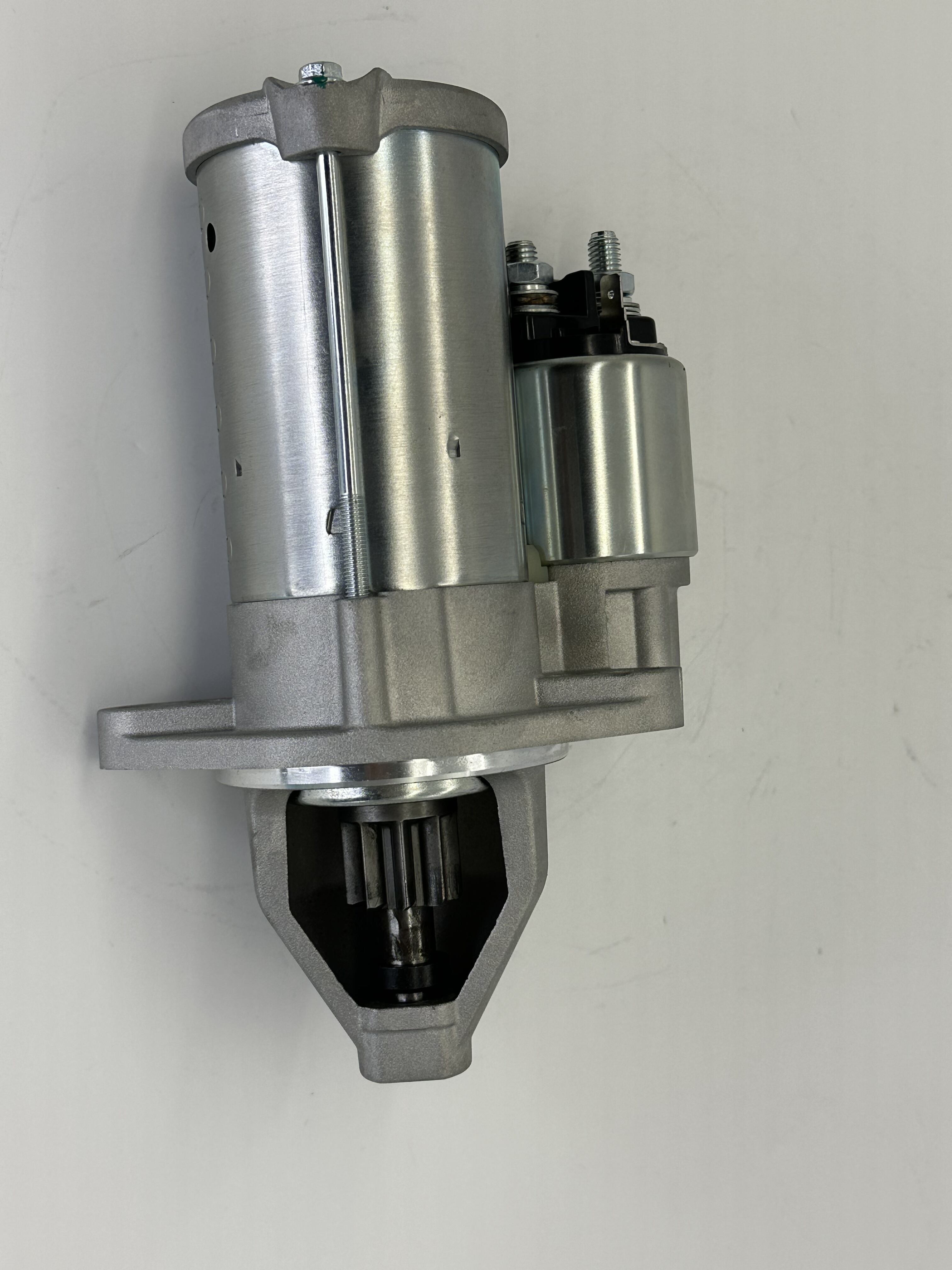
פרויקטים אוטומotive גדולים דורשים פתרונות אמינים ובעלי עלות-תפוקה שיכולים לעמוד בדרישות קפדניות תוך כדי שמירה על מגבלות התקציב. כשנהלים פעולות של צי רכבים, תחזוקת כלי רכב מסחריים או עסקים בתחום תיקון רכבים, חשוב להשיג רכיבים במחיר סיטונאי כדי לשמור על רווחיות וכיחות ביצועים. בחירת הספק הנכון לרכיבים חשמליים, ובמיוחד מחוללים, יכולה להשפיע בצורה משמעותית על הצלחת הפרויקט והביצועים ארוכי הטווח של הרכבים.
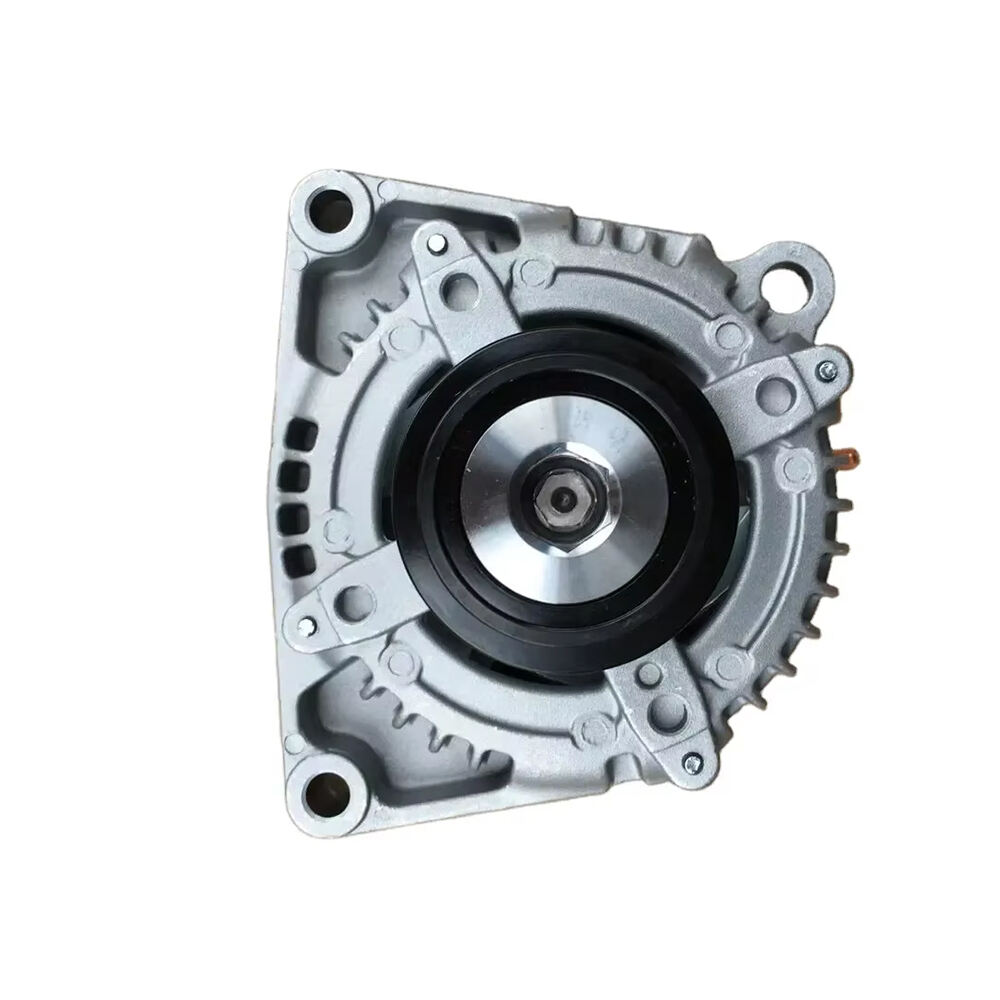
תעשיית הרכב התפתחה בצורה דרמטית במהלך העשורים האחרונים, וכלי רכב מודרניים דורשים מערכות חשמל מתוחכמות יותר ויותר כדי לספק את הכוח לטכנולוגיות המתקדמות. החל מנווט GPS ומערכות בידור, דרך תכונות בטיחות ומחשבים לניהול מנוע, כלי הרכב של ימינו מייצרים דרישות גדולות על מערכות הטעינה שלהם. התפתחות זו הפכה את הדינמות לחשובות יותר מאי פעם, הן משמשות כמקור הכוח העיקרי למערכות החשמל של כלי הרכב.
ההבנה של הכלכלה של פרויקטים גדולים בתחום הרכב חושפת מדוע אסטרטגיות קנייה במכירה עיקרית מציעות יתרונות משמעותיים. מנהלי צי, בעלי רכבים מסחריים וספקים של שירותים בתחום הרכב מתמודדים כל הזמן עם לחץ לצמצם עלויות תפעול תוך שמירה על סטנדרטים גבוהים של איכות שירות. החלטות אסטרטגיות בתחום הקנייה, במיוחד עבור רכיבים בעלי שחיקה גבוהה כמו דינמו, משפיעות ישירות הן על התקציב המיידי של הפרויקט והן על העלויות התפעוליות ארוכות הטווח.
הבנת היתרונות של קנייה בקמעונאות
יעילות עלות וניהול התקציב
קנייה בקמעונאות מספקת יתרונות מיידיים בהשוואה למחירון קמעונאי, והם הופכים למשמעותיים יותר ככל שגודל הפרויקט גדל. מבני מחירים לפי כמות שמציעים ספקים בקמעונאות מפחיתים בדרך כלל משמעותית את עלות היחידה בהשוואה לחלופות קמעונאיות. חיסכון זה מצטבר בפרויקטים גדולים, ומייצג לעתים קרובות אלפי דולרים בחסכון בעלויות עבור בעלי צי המפעילים עשרות או מאות רכבים.
היתכנות תקציבית מייצגת עוד יתרון חשוב של קנייה במכירה גדולה אַלְטֶרְנָטוֹר חוזים על מחיר קבוע, הנפוצים ביחסים של מכירה גדולה, מאפשרים תחזית עלות מדויקת של פרויקטים, ומבטלים את אי הוודאות הקשורה למחירים קמעונאיים משתנים. היתכנות זו הופכת לערך משמעותי במיוחד עבור עסקים המנהלים חוזי תחזוק שנתיים או תוכניות מחלקה לצי רכבים לטווח ארוך, בהן יציבות עלות משפיעה ישירות על הרווחיות.
שיפורים בהיעילות מינהלית מלווים את היתרונות הפיננסיים של קנייה במכירה גדולה. יחסים עם ספק יחיד מקטינים את העומס בניהול ספקים, מפשטים תהליכי קנייה, ומצמצמים את העלות המינהלית הכרוכה בניהול יחסים עם מספר ספקים. שיפורים אופרטיביים אלו מספקים לעיתים ערך השווה לחסכונות הישירים, במיוחד בארגונים עם משאבים מוגבלים בתחום הקנייה.
גמישות באיכות ובתקני אמינות
ספקים מקצועיים למכירה סיטונאית שומרים על תקנים מחמירים של בקרת איכות העולים על אלו של ערוצי קמעונאות טיפוסיים. הספקים מבינים שהכבוד העסקי שלהם תלוי באיכות קבועה של המוצרים, ולכן הם מקיימים פרוטוקולי בדיקה מקיפים ובוחרים בזהירות את הספקים שלהם. הבטחת האיכות מתרחבת מעבר לבדיקת רכיבים בודדים וכוללת בדיקות ל партиות, אימות אישורים, ווידוא ביצועים בתנאי פעולה שונים.
מערכות זיהוי שמיושמות על ידי ספקים wholesealers מוכרים מספקות תיעוד מפורט עבור כל רכיב, ומאפשרות זיהוי מהיר של סרטי ייצור, תאריכי ייצור ונקודות בקרת איכות. תיעוד זה חשוב במיוחד בניהול טענות על אחריות, ביצוע ניתוחי סיבה מעמיקה או ביישום תוכניות תחזוקה מונעת המבוססות על היסטוריית הביצועים של הרכיבים.
תקני אמינות ששומרים ספקי wholesealr לעתים קרובות עולים על مواصفות יצרן הציוד המקורי, ומשקפים את דגשם על יחסים ארוכי טווח עם לקוחות ולא על מכירות חד-פעמיות. הדגש הזה על אמינות מפחית כשלים בלתי צפויים, ממזער את הזמן שבו כלי הרכב חסרי פונקציונליות, ומשפר מדדי ביצועים כולליים של הציוד, אשר משפיעים ישירות על פעילות העסק.
הדברים שצריך לקחת בחשבון בהיבט אסטרטגי
קריטריונים לבחירת ספק
זיהוי של ספקים מוסמכים של אלטרנטורים במכירה עיקרית מחייב הערכה זהירה של גורמים מרובים מעבר להשוואות מחיר פשוטות. מומחיות טכנית מייצגת דרישה בסיסית, שכן הספקים חייבים להבין את مواصفات האלטרנатор, דרישות התאימות והשקפים שקשורים ליישום שמשפיעים על הביצועים בסוגי רכב שונים ובסביבות תפעול שונות.
יכולות ניהול המלאי משפיעות משמעותית על הערך שהספק מציע, במיוחד עבור פרויקטים הדורשים זמן קצר או מצבים של החלפה דחופה. ספקים שמתחזיקים ברמות מלאי מקיפות למודלים פופולריים של אלטרנטורים מקצרים את זמני המ_lead time_ ומבטיחים זמינות של הרכיבים כשниידרש. מערכות ניהול מלאי מתקדמות מאפשרות תצוגה בזמן אמת של המלאי ותהליכי הזמנה מחדש אוטומטיים שמונעים הפרעות באספקה.
היקף הגאוגרפי ויכולות לוגיסטיות משפיעים על זמני המסירה ועל עלויות השילוח, ולכן מיקום הספק הוא גורם חשוב בבחירתו. ספקים עם מרכזי הפצה מרובים או יחסים מוכרים עם שותפי שילוח אמינים יכולים להציע זמני מסירה קצרים ועלות תחבורה מופחתת, במיוחד בהזמנות כמיה הנפוצות במיזמי רכב גדולים.
מפרט טכני ותאימות
יוצרני חלופים מודרניים כוללים עיצובים מתוחכמים המותאמים ליישומים ספציפיים של כלי רכב, מה שמחייב הערכה טכנית של התאימות להצלחת הפרויקט. תפוקת מתח, קיבולת אמפר, תצורת ריסון וחיבורים חשמליים חייבים להתאים בדיוק לדרישות הרכב כדי להבטיח פעילות תקינה ולמנוע בעיות התקנה שיגרמו לעליית עלויות ולמתן ציר זמן של הפרויקט.
שקולים סביבתיים ממלאים תפקיד חשוב הולך וגדל בבחירת דינמו, במיוחד לנהליות מסחריות הפועלת בתנאים קיצוניים. סובלנות לטמפרטורה, עמידות לרעידות, הגנה מפני אבק והצטברות רטיבות משתנים בצורה משמעותית בין יישומים, ודורשים התאמה זהירה של המפרטים כדי להבטיח פעילות אמינה לאורך חיי השירות של הרכיב.
קיימות הזדמנויות לאופטימיזציה של הביצועים בעת עבודה עם ספקים בעלי ידע גנרטורolesale המבינים את האינטראקציות של מערכת החשמל ברכב. ספקים אלו יכולים להמליץ על דינamos עם מאפייני תפוקה משופרים או דירוגי יעילות טובים יותר שמספקים יתרונות תפעוליים מעבר לפונקציונליות בסיסית, כגון צריכת דלק מופחתת או ביצועי טעינה משופרים של הסוללה.
מתקני יישום
תכנון פרויקט ותזמון רכש
רכש מוצלח של אלטרנטורים בסיטונאות דורש תכנון אסטרטגי שיתאם את הזמנת הרכיבים עם לוחות הזמנים של הפרויקט ושיקולי תזרים מזומנים. התקשרות מוקדמת עם ספקים מאפשרת משא ומתן טוב יותר על תמחור, מבטיחה זמינות רכיבים ומספקת גמישות להתמודדות עם שינויים בלתי צפויים במפרט או התאמות כמויות המתרחשות בדרך כלל בפרויקטים גדולים של רכב.
שינויים עונתיים בביקוש משפיעים על מחירי וזמינות של מחוללים, מה שהופך את הזמן לשקול חשוב ברכש. הבנת דפוסים אלו מאפשרת למנהלי פרויקטים למקסם את לוחות הזמנים להזמנות, ובצורה פוטנציאלית להשיג מחירים טובים יותר בתקופות של ביקוש נמוך או להבטיח מלאי מספיק לפני עונות של ביקוש גבוה, כאשר המחירים לרוב עולים.
תיאום בין צוותי רכש להתקנה מונע בעיות יישום נפוצות כגון בעיות תאימות של רכיבים, עיכובים בהתקנה או דאגות בנוגע לאיכות שנובעות מתקשורת לקויה. הקמת פרוטוקולי תקשורת ברורים ותקני תיעוד מבטיחה שהדרישות הטכניות מועברות כראוי, וצוותי ההתקנה מקבלים את המידע הנדרש לצורך אינטגרציה מוצלחת של הרכיבים.
בקרת איכות ופרוטוקולי בדיקה
יישום הליכי בקרת איכות מקיפים מגן על ההשקעה בפרויקט ומבטיח ביצועים אמינים של הדינמו לאורך חיי השירות. פרוטוקולי בדיקה upon arrival צריכים לאמת את مواصفات הרכיב, מצבו החזותי ושלמות האריזה כדי לזהות בעיות פוטנציאליות לפני תחילת ההתקנה. בדיקות אלו מונעות התקנת רכיבים פגומים שעלולים לגרום לעצירת רכב או לעלות חילוף נוספות.
הליכים לבדיקת ביצועים מאששים פעילות של דינמו בתנאי רכב אמיתיים, ובודקים את תפוקת החשמל הנכונה, הפעולה המכנית והתאום עם מערכות הרכב הקיימות. הליכי הבדיקה צריכים לכלול תנאים ללא עומס ועם עומס כדי לאשר את הביצועים בכל טווח הפעולה הצפוי במהלך הפעילות הרגילה של הרכב.
מערכות תיעוד אוספות תוצאות בדיקות, רשומות התקנה ונתוני ביצועים התומכים בטענות לה bảoמה, תזמון תחזוקה ומאמצי שיפור מתמידים. תיעוד נאות מאפשר ניתוח מגמות, זיהוי בעיות חוזרות ומתן משוב ערך לשיפור החלטות קנייה והתקנה עתידיות.
ערך ארוך טווח וניהול יחסים
אסטרטגיות פיתוח שותפויות
בניית יחסים עמידים עם ספקים סיטונאיים של דינמות יוצרת ערך ארוך טווח שפוער מעבר לעסקאות בודדות. שותפויות אסטרטגיות מספקות גישה למומחיות טכנית, תמחור מועדף, שירות עדיף ויכולות פתרון בעיות בשיתוף פעולה, מה שמגדיל את איכות התוצאות של הפרויקטים וכמו כן את היעילות האופרטיבית. יחסים אלו הופכים ליותר מוערכים במיוחד בתקופות קשות, כאשר הפרעות בשרשרת האספקה או צרכים דחופים להחלפה דורשים פתרונות גמישים.
פרוטוקולי תקשורת שהוקמו עם ספקים סיטונאיים מאפשרים פתרון פעיל של בעיות ויזמות שיפור מתמשך. סקירות ביצועים שגרתיות, ישיבות משוב ופגישות תכנון שיתופיות עוזרות לזהות הזדמנויות לאופטימיזציה ולפתור בעיות פוטנציאליות לפני שהן משפיעות על הצלחת הפרויקט או הביצועים האופרטיביים.
ההתחזקות הדדית לאיכות ולמצוינות בשירות מחזקת את היחסים עם הספקים ומעודדת השקעה מתמשכת ביכולות שמהנות לשתיהן. ספקים שמצליחים להבין את דרישות הלקוח ואת אתגרי התפעול יכולים לספק פתרונות ושירותי תמיכה אפקטיביים יותר, המגדילים את הערך הכולל מעבר לחיסכון פשוט בעלויות.
מעקב אחרי תפעול ושיפור מתמיד
ניטור ביצועים שיטתי מספק נתונים אובייקטיביים להערכת יעילות הספקים וזיהוי הזדמנויות לשיפור. מדדי הביצועים המרכזיים צריכים לכלול אמינות משלוחים, מדדי איכות, תחרותיות מחירים והתגובה של התמיכה הטכנית, כדי להבטיח הערכה מקיפה של תרומת הערך של הספק.
מנגנוני משוב מאפשרים שדרוג מתמיד של תהליכי הקנייה ויחסי הספקים. הערכת מרכיבים, חוויות ההתקנה ואיכות השירות בדרכים קבועות עוזרות לזהות פרקטיקות עבודה מומלצות ואת התחומים הדורשים תשומת לב. לולאת המשוב הזו דוחפת את השיפור המתמשך באספקה ובביצועי הספקים.
פעילויות ניטור השוק עוזרות לזהות ספקים חדשים, פיתוחים טכנולוגיים וטרנדים בתעשייה שיכולים לספק ערך נוסף או פתרונות משופרים. הישארות מעודכנת בנוגע לתנאי השוק מאפשרת התאמה פרואקטיבית לאסטרטגיית הקנייה ומבטיחה גישה לפתרונות האפקטיביים ביותר לצורך דרישות הפרויקט המשתנות.
שאלות נפוצות
איזו כמות עומדת בדרישות מחיר סיטונאי לדינמו
מחירים סיטונאיים מתחילים בדרך כלל בכמויות מינימום של 10-25 יחידות, אם כי זה משתנה בהתאם לספק ולخط המוצרים. רבים מהספקים מציעים מבני תעריפים מדורגים עם הנחות נוספות עבור כמויות גדולות יותר, כגון 50, 100 או 500+ יחידות. אופרטורי צי ולקוחות מסחריים לעתים קרובות מתאמים הסכמים תעריפיים בהתבסס על התחייבויות נפח שנתיות ולא על כמויות הזמנה בודדות.
איך משתווים אלטרנטורים סיטונאיים באיכותם לגרסה קמעונאית
ההבדלים באיכות בין אלטרנטורים סיטונאיים וקמעונאיים תלויים יותר בספק וביצרן מאשר בערוץ המכירה. ספקים סיטונאיים יוקרתיים שומרים לעתים קרובות על תקנים גבוהים יותר באיכות, בשל התמקדותם ביחסים עסקיים ארוכי טווח ואחראיים לכמויות גדולות. עם זאת, הקונים צריכים לוודא אישורי יצרן, כיסוי אחריות ופרוטוקולי בדיקת איכות, ללא תלות בערוץ הקנייה.
איזו אחריות זמינה לקניית אלטרנטורים בשolesale
האחריות על אלטנרטורים במכירת סיטור בדרך כלל נעות בין 12 חודשים ל-3 שנים, בהתאם לייצרן ולהסכם הספק. רבים מספקי הסיטור מציעים תוכניות אחריות מוגדלות או אחריות להחלפה שמספקות הגנה נוספת לקנייה בכמויות גדולות. לקוחות מסחריים לעתים קרובות מתאמים תנאי אחריות מותאמים אישית שמתאימים לדרישות ייחוס או לתנאי פעולה מסוימים.
איך יש לאחסן אלטנרטורים בסיטור לפני ההתקנה
אחסון תקין דורש סביבה נקיה ויבשה עם טמפרטורות יציבות בין 32°F ל-100°F, כדי למנוע נזק מלחות ושחיקה של רכיבים. האלטנרטורים צריכים להישאר בערימה המקורית עד להתקנה, כדי להגן עליהן מפני אבק, זבל ונזק פיזי. עקרונות סיבוב מלאי מבטיחים שהמלאי הישן יותר יושמע ראשון, וביקורים תקופתיים עוזרים לזהות כל בעיה הקשורה לאחסון לפני תחילת ההתקנה.