
 EN
EN
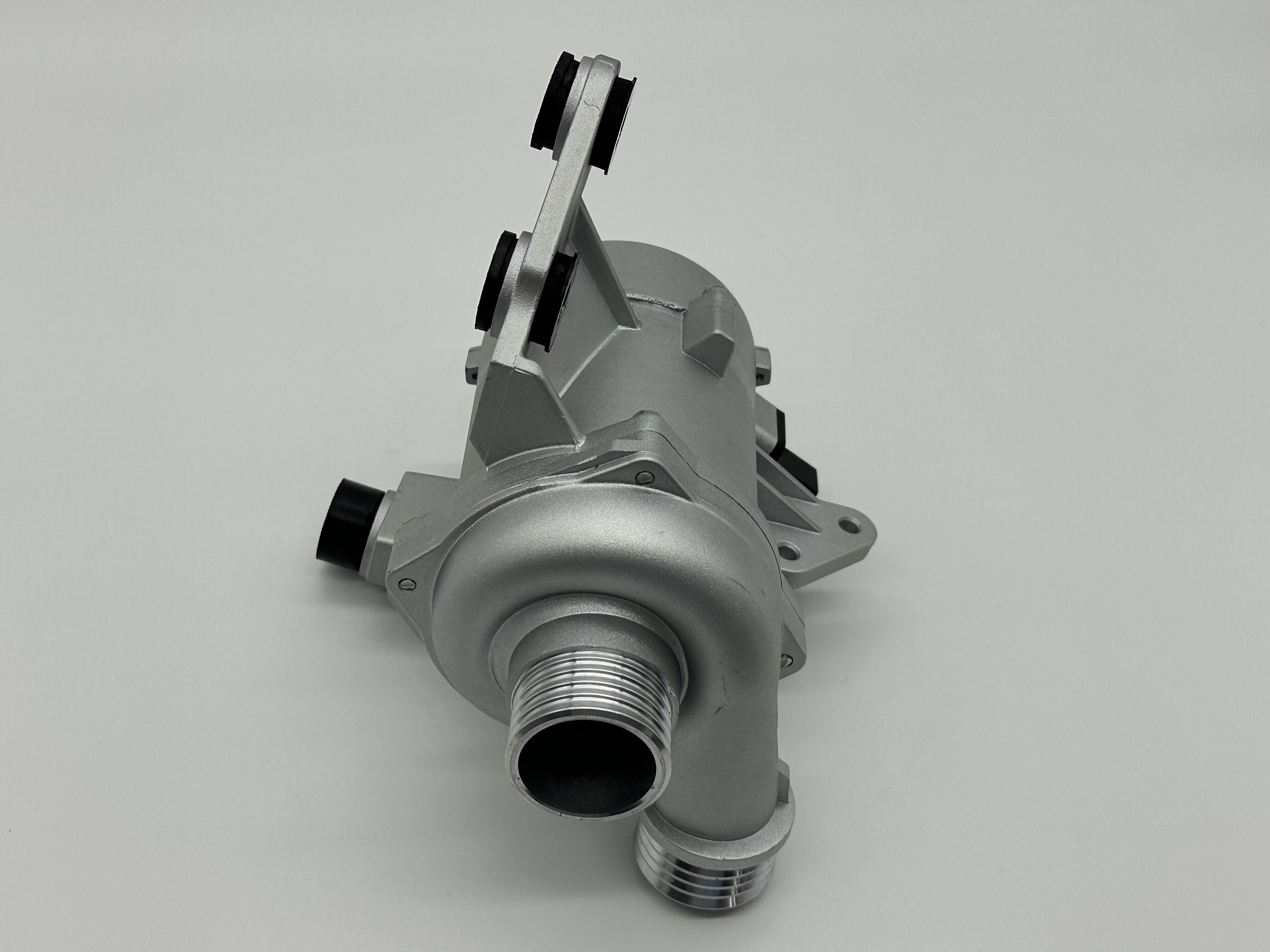
מערכות חשמל מודרניות לרכב דורשות מהרכיבים להטענה אמינות וביצועים יוצאי דופן. ההתפתחות בייצור משולב שינתה את הדרך שבה מיוצרים מערכות מחוללי אלטרנטורים, מה שהוביל לשיפורים משמעותיים באיכות אַלְטֶרְנָטוֹר המערכות מיוצרות, מה שמביא לשיפורים משמעותיים באיכות וביעילות היצוא. גישה מתקדמת זו לייצור משלבת תהליכי ייצור מרובים בשליטה מאוחדת, ומייצרת רכיבים שמפגינים ביצועים עליונים ביישומים אוטומotive מגוונים.
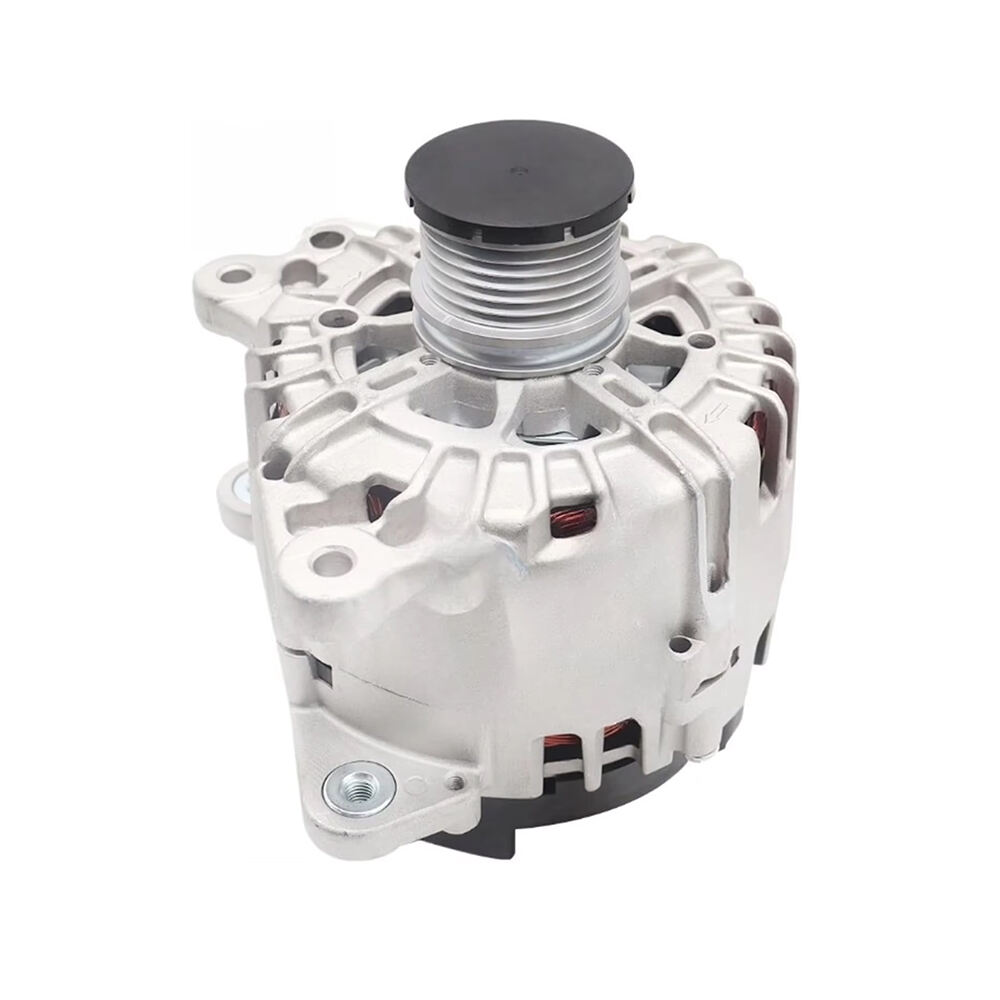
ייצור משולב מייצג מעבר דרמטי מהשיטות המסורתיות של ייצור מקוטע. על ידי איחוד של שלבי עיצוב, הנדסה וייצור בתוך מסגרות צמודות, יצרנים משיגים שליטה חסרת תקדים בפרמטרי איכות. גישה כוללת זו מאפשרת התאמות בזמן אמת לאורך מחזור הייצור, ומבטיחה שכל דינמו meets meet לדרישות הביצועים החזקות תוך שמירה על יעילות עלות.
טכנולוגיות ייצור מתקדמות בייצור דינamos
הרכבה מדויקת בשליטה ממוחשבת
מתקני ייצור משולבים מודרניים משתמשים במערכות איסוף ממוחשבות מתוחכמות שמבטיחות דיוק עקבי בכל שלבי הייצור. מערכות אוטומטיות אלו מודדות פרמטרים קריטיים כגון מתח הلف, יישור שדה מגנטי ושיווי משקל הרוטור בדיוק מיקרוסקופי. שילוב אלגוריתמי בינה מלאכותית מאפשר התאמות תחזיות שמיטבות את מאפייני הביצועים לפני שהרכיבים מגיעים לשלבי ההרכבה הסופיים.
מערכות רובוטיקה מתקדמות מבצעות פעולות רגישות כגון ליפוף חוט נחושת וריכוך לamination עם עקביות יוצאת דופן. תהליכים אלו שמבוקרים במדויק מונעים משתנים של שגיאות אנוש שהשפיעו מסורתית על ביצועי מחוללים וגנרטורים. התוצאה היא שיפור משמעותי בייצוב תפוקת החשמל ובאמינות מכנית בכל שרשרת הייצור.
מערכות מוניטורינג איכות בזמן אמת
סביבות ייצור משולבות כוללות מערכות ניטור מקיפות שעוקבות אחר מדדי איכות בכל שלבי הייצור. המערכות משתמשות בטכנולוגיות חיישן מרובות, כולל דימות תרמי, ניתוח רטט ובדיקות פרמטרים חשמליים, לזיהוי בעיות איכות פוטנציאליות לפני שהן משפיעות על המוצרים הסופיים. איסוף נתונים מתמשך מאפשר תיקונים מיידיים בתהליך שמשמרים את סטנדרטי הייצור האופטימליים.
יישום בקרת תהליכים סטטיסטית בתוך מערכות משולבות מאפשר ליצרנים לחזות תוצאות איכות בדיוק יוצא דופן. יכולת חיזוי זו מאפשרת התאמות מוקדמות שמניעות פגמים במקום פשוט לזהות אותם לאחר התרחשותם. גישות כאלה הפחיתו באופן ניכר טענות אחריות והגדילו את שביעות הרצון של הלקוחות ביישומי רכב.
שילוב חומרים משופר והתאמה בין רכיבים
בחירת חומרים ראשוניים מאופטמת
ייצור משולב מאפשר תהליכי בחירה מתקדמים בחומרים שמממשים ביצועים אופטימליים של מחוללים ומחליפים עבור יישומים ספציפיים. ניתוח מתלורגי מתקדם מבטיח שחתכי מגנט, מוליכים ורכיבים מבניים עובדים בצורה סינרגית כדי למקסם את הפלט החשמלי תוך מזעור איבודי התפעול. גישה מקיפה זו לאינטגרציה של חומרים יוצרת רכיבים העולים על מדדי הביצועים המסורתיים.
היכולת לשלוט בדרישות החומרים מהאספקה הראשונית ועד להרכבה הסופית מאפשרת לייצרנים ליישם הרכביה ייחודיים ותהליכים של עיבוד מיוחדים. חומרים מותאמים אלו תורמים לניהול תרמי משופר, עמידות מוגברת ומאפיינים חשמליים מובילים, אשר מבדילים בין מוצרי מחולל ומחליף איכותיים לבין חלופות קונבנציונליות.
שילוב חלקים חלק
תהליכי ייצור משולבים מודרניים מבטיחים תואם מושלם בין רכיבים פנימיים באמצעות הנדסת דיוק ואמצעי בקרת איכות. כל אלמנט בתוך מولد דינמו הMontaż מופקן בדרגות נאות מדויקות שמгарנות אינטראקציה אופטימלית עם רכיבי התאמה. רמה זו של שילוב מסירה את הבדלים בביצועים שעלולים לפגוע במאמינות המערכת הכוללת.
תוכנת עיצוב מתקדמת מאפשרת להנדסאים למטב את האינטראקציות בין הרכיבים לפני תחילת הייצור הפיזי. יכולות בדיקה וסימולציה וירטואליות מאפשרות לייצרנים לזהות בעיות תאום פוטנציאליות ולממש פתרונות בשלב העיצוב, ולא לגלות בעיות במהלך ההרכבה או בתפעול בשטח.
יעילות תהליך ואופטימיזציה של תפוקה
זרימות עבודה בשטח ייצור מיועלות
מערכות ייצור משולבות מונעות צווארי הבקבוק של הייצור מסורתי באמצעות עיצוב זרימת עבודה אופטימלי ומערכות טיפול בחומרים אוטומטיות. תהליכים מהודקים אלו מקצרים את זמני המחזור תוך שמירה על תקנים גבוהים באיכות, ומאפשרים לייצרנים להגיב במהירות לדרישות השוק מבלי להקריב את איכות המוצר. הסרת שלבי האחסון והטיפול הביניים גם מצמצמת את הסיכון לנזק או זיהום.
עקרונות ייצור לין המשולבים בתוך מערכות ייצור מודרניות מפחיתים בזבוז ומקסמים את ניצול המשאבים. יעילות זו מתורגמת ישירות לערך מוצר שיפור באמצעות הפחתת עלויות ייצור ושיפור תכונות הביצועים. לקוחות נהנים ממוצרי מחוללי אלטרנטורים עילائيים במחירי תחרותיים.
שילוב שיפור מתמיד
גישת הייצור המשולבת מקלה על יוזמות שיפור מתמשך שממשיכות לשפר את איכות המוצרים והביצועים. נתונים שנאספים לאורך תהליכי הייצור מספקים תובנות חשובות לאפשרויות אופטימיזציה שאולי היו overlooked בשיטות ייצור מסורתיות. תהליך השיפור המתמיד הזה מבטיח שחלקי הגנרטור והמחלף ממשיכים להתפתח כדי לעמוד בדרישות טכנולוגיות מתקדמות.
לולאות משוב בתוך מערכות משולבות מאפשרות יישום מהיר של שיפורים בעיצוב ושיפורים בתהליך. תגובה זו לנתוני איכות ולמשוב לקוחות מבטיחה שהתהליכים התפעוליים נשארים מיושרים עם דרישות השוק ועם מגמות ההתקדמות הטכנולוגית.
אבטחת איכות ואינטגרציה של בדיקות
פרוטוקולים של בדיקות שוללות
סביבות ייצור משולבות משלבות פרוטוקולי בדיקה מקיפים המעריכים כל היבט של ביצועי אלטרנטור גנרטור לפני שהמוצרים מגיעים ללקוחות. משטרי בדיקה אלה כוללים אימות תפוקה חשמלית, ניתוח ביצועים תרמיים, בדיקת עמידות לרעידות והערכת עמידות לטווח ארוך. בדיקות מקיפות מבטיחות שהמוצרים עומדים או עולים על פרמטרי ביצועים שצוינו בתנאי הפעלה מגוונים.
ציוד בדיקה מתקדם מספק נתוני ביצועים מפורטים המאפשרים עדכון עדין של תהליכי ייצור לצורך תוצאות אופטימליות. גישה מבוססת נתונים זו לאיכות מבטיחה עקביות בביצועי המוצר בין סדרות ייצור, ובמקביל מזהה הזדמנויות לשיפור נוסף. שילוב נתוני הבדיקה עם פרמטרי הייצור יוצר לולאות משוב חזקות לאופטימיזציה.
מערכות זיהוי ודיוור
מערכות ייצור משולבות מודרניות שומרות על רישומי עקיבות מקיפים שממפים כל היבט בתהליך הייצור של כל יחידת מחולל/אלטרנטור. תיעוד מפורט זה מאפשר זיהוי ופתרון מהירים של כל בעיית איכות שעשויה להתעורר במהלך פעילות בשטח. עקיבות מלאה גם תומכת בשירותי אחריות ומקלה על יוזמות שיפור מתמשך.
מערכות תיעוד דיגיטליות שומרות על נתוני ייצור קריטיים לאורך מחזורי החיים של המוצר, ומספקות מידע חשוב לשיפורים עתידיים בעיצוב ולשיפור תהליכים. נתונים היסטוריים אלה הופכים ליותר ויותר ערכיים ככל שיצרנים פותחים דורות חדשים של מוצרים ומשפרים שיטות ייצור קיימות.
שילוב טכנולוגיה ופיתוחים עתידיים
יישום תעשייה 4.0
שילוב של טכנולוגיות התעשייה 4.0 בייצור של מولدات ומדחפים יצר הזדמנויות חסרות תקדים לשיפור איכות ואופטימיזציה של תפוקה. חיישני אינטרנט של הדברים, אלגוריתמי למידת מכונה וניתוחים חיזויים משתלבים ויוצרים מערכות ייצור חכמות שממשיכות לאופטמיזציה רציפה של פרמטרי ביצועים. טכנולוגיות מתקדמות אלו מאפשרות לייצרנים להשיג רמות איכות שקודם לכן היו בלתי אפשריות בשיטות ייצור קונבנציונליות.
מערכות ייצור חכמות יכולות לחזות דרישות תחזוקה, לאופטמז את לוחות הייצור ולשנות פרמטרים של תהליכים בזמן אמת כדי לשמור על סטנדרטים אופטימליים של איכות. רמת האוטומציה והאינטיליגנציה הזו מבטיחה מצוינות מתמדת של המוצר, תוך צמצום עלויות ייצור ושיפור הביצועים באספקה.
Actices ייצור מוסרי
גישות ייצור משולבות משלבות באופן הולך וגדל עקרונות בר-קיימא שמפחיתים את ההשפעה על הסביבה תוך שמירה על איכות מוצר גבוהה. תהליכי ייצור חסכוניים באנרגיה, יוזמות לצמצום פסולת וביקור בمواد ניתנות למחזור תורמים לייצור אחראי סביבתי ללא פגיעה בביצועי מחולל/אלטרנטור. עקרונות בר-קיימא אלה עומדים בדרישות השוק הגוברות של מוצרים שמרגישים אחריות סביבתית.
יישום עקרונות כלכלה מעגלית בתוך מערכות ייצור משולבות יוצר ערך מזרמי פסולת תוך צמצום הדפוס הסביבתי הכולל. גישה זו מוכיחה שאחריות סביבתית ואיכות מוצר גבוהה יכולים להתקיים יחד במסגרת ייצור מודרנית.
שאלות נפוצות
אילו יתרונות ספציפיים מספק ייצור משולב לאיכות מחולל/אלטרנטור
ייצור משולב מספק מספר יתרונות מרכזיים, ביניהם בקרת איכות עקיבה בכל שלבי הייצור, ירידה בשונות בין רכיבים, אמצעי זיהוי מוגבר לבעיות איכות, והיכולת ליישם התאמות בזמן אמת בתהליכי הייצור. יתרונות אלו מביאים למחליפים-מחוללים בעלי אמינות גבוהה יותר, עקיבות ש Verbally in the output of electricity, וחיים שירות ארוכים יותר בהשוואה למוצרים המיוצרים באמצעות גישות מקוטעות מסורתיות.
איך משפיע ייצור משולב על ביצועי תפוקת המחליף-מחולל
הביצועים משתפרים בצורה משמעותית באמצעות ייצור משולב הודות לשליטה מדויקת בפרמטרים קריטיים כגון עוצמת השדה המגנטי, דרישות הליפוף וסיבולת הרכיבים. היכולת למטב את הפרמטרים הללו בתוך מערכות ייצור מאוחדות תורמת ליוצרות-אלטרנטורים שמספקים תפוקה חשמלית גבוהה יותר, יעילות משופרת וביצועים עקביים טובים יותר בתנאי עבודה שונים.
אילו תפקיד ממלא אוטומציה בייצור משולב של יוצרות-אלטרנטורים
אוטומציה בתוך מערכות ייצור משולבות מבטיחה דיוק עקבי בפעולות קריטיות כגון ליפוף מוליכי נחושת, הרכבת רכיבי הרוטור ועריכת מבחני איכות. מערכות אוטומטיות מסירות משתנים של שגיאות אנוש תוך שמירה על مواصفות מדויקות לאורך כל שרשרת הייצור. עקביות זו עוברת ישירות לשיפור אמינות המוצר וצפיה טובה יותר בביצועים עבור המשתמשים הסופיים.
כיצד מערכות ייצור משולבות מטפלות בבקרת איכות בצורה שונה מהשיטות המסורתיות
מערכות משולבות מיישמות שילוט איכות מתמיד לאורך כל תהליך הייצור, במקום להסתמך אך ורק על הליכי בדיקה סופיים. איסוף וניתוח נתונים בזמן אמת מאפשר תיקון מיידי של התהליכים, וכך מונע את התרחשות בעיות באיכות. גישה פרואקטיבית זו מביאה לרמות פסילות נמוכות בהרבה ולשיפור משמעותי באיכות המוצרים באופן כללי, ב сравнות לשיטות בקרת האיכות הריאקטיביות המסורתיות.