
 EN
EN
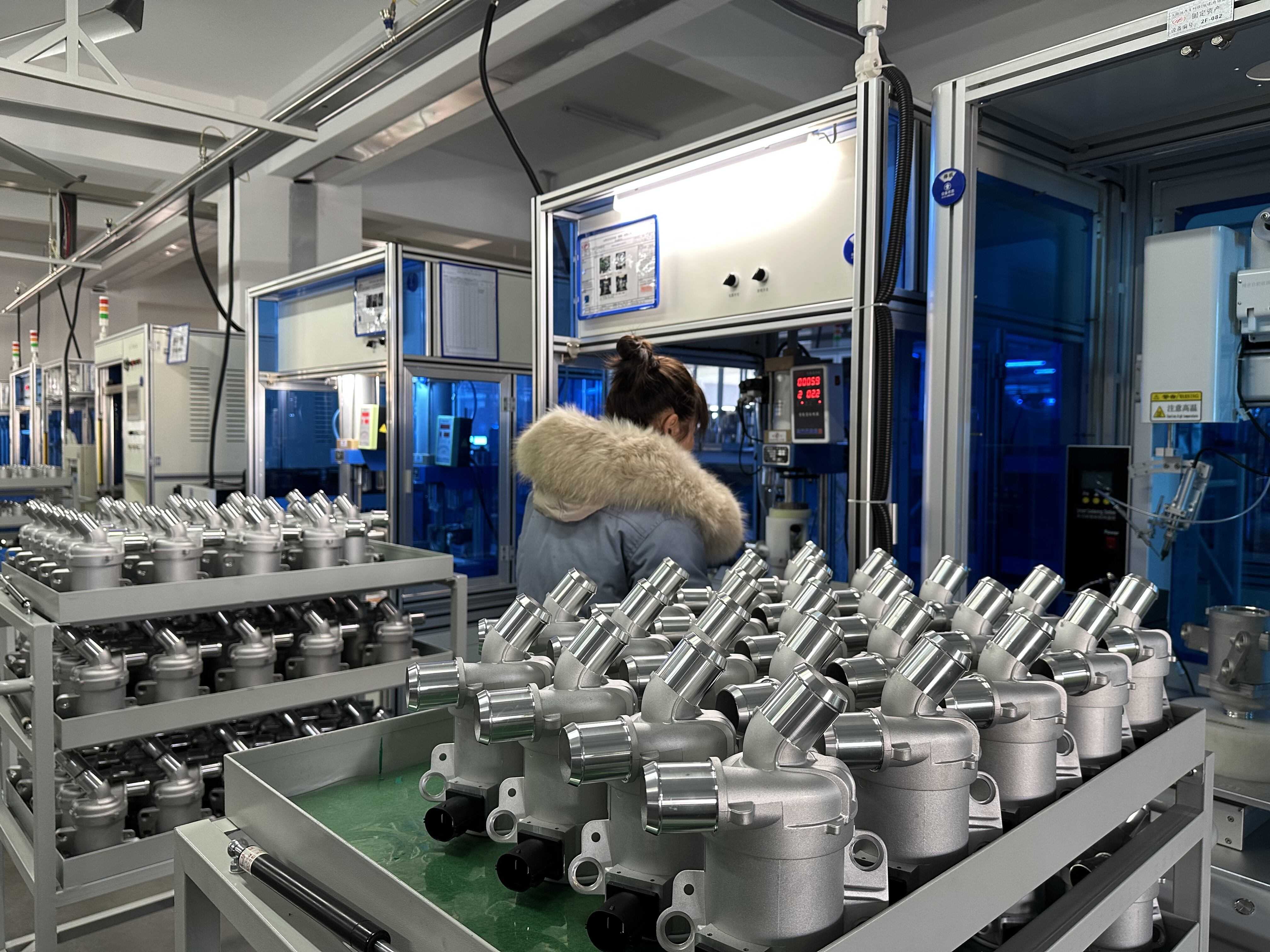
B2B buyers operating in the automotive aftermarket face unique challenges when sourcing premium parts for Porsche and Jaguar vehicles. These luxury European brands require specialized components that meet exacting quality standards, demanding extensive knowledge of OEM specifications, compatibility requirements, and supply chain reliability. Professional buyers must navigate complex procurement decisions while ensuring their customers receive authentic, high-performance parts that maintain vehicle integrity and preserve warranty coverage.
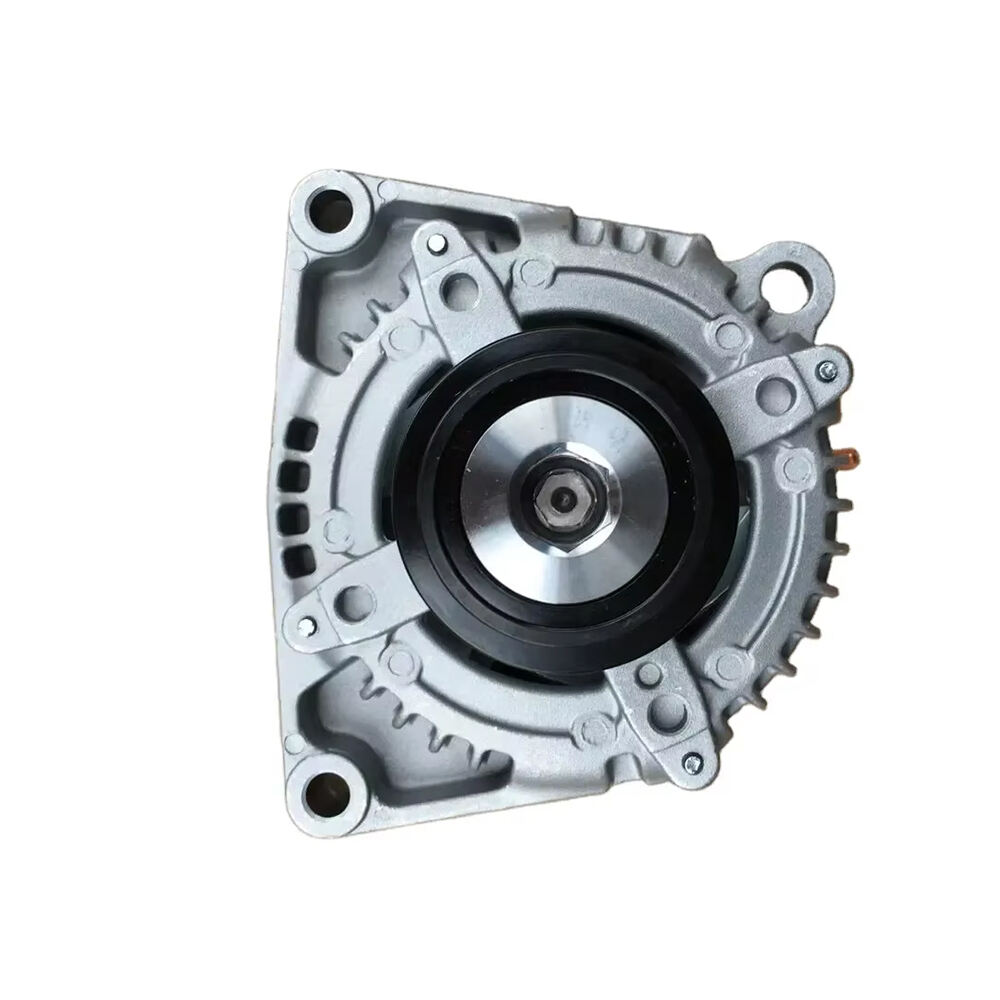
The global market for premium parts for Porsche and Jaguar continues expanding as these vehicles age beyond warranty periods, creating substantial opportunities for B2B distributors, repair shops, and automotive service providers. Understanding the intricacies of sourcing, stocking, and distributing these specialized components requires comprehensive knowledge of brand-specific requirements, regulatory compliance standards, and customer expectations that differ significantly from conventional automotive parts procurement strategies.
Understanding Premium Parts Requirements for Luxury European Vehicles
OEM Specification Compliance Standards
Premium parts for Porsche and Jaguar must adhere to stringent original equipment manufacturer specifications that govern material composition, dimensional tolerances, and performance characteristics. These specifications ensure replacement components maintain the precise engineering standards required for optimal vehicle performance, safety, and longevity. B2B buyers must verify that suppliers provide comprehensive certification documentation proving compliance with manufacturer specifications.
The certification process for premium parts for Porsche and Jaguar involves multiple validation stages, including material testing, dimensional verification, and performance validation under various operating conditions. Professional buyers should establish relationships with suppliers who maintain ISO/TS 16949 automotive quality management system certification, ensuring consistent quality control processes throughout the manufacturing and distribution chain.
Documentation requirements extend beyond basic compliance certificates to include traceability records, batch tracking information, and quality control test results. These comprehensive records enable B2B buyers to maintain complete audit trails, supporting warranty claims and regulatory compliance requirements while demonstrating due diligence in component sourcing decisions.
Brand-Specific Engineering Considerations
Porsche vehicles incorporate unique engineering features that require specialized replacement parts designed to accommodate specific performance characteristics, thermal management requirements, and integration protocols. Understanding these brand-specific requirements enables B2B buyers to make informed decisions when selecting premium parts for Porsche and Jaguar applications.
Jaguar vehicles present distinct engineering challenges related to electronic integration, advanced driver assistance systems, and proprietary communication protocols that influence component selection criteria. B2B buyers must consider compatibility requirements that extend beyond physical fitment to encompass electronic functionality, software compatibility, and system integration capabilities.
The evolution of vehicle technology across different model years creates additional complexity for premium parts for Porsche and Jaguar procurement, as seemingly identical components may incorporate subtle differences in electronic interfaces, mounting configurations, or performance parameters. Professional buyers must maintain detailed application databases to ensure accurate part selection and avoid compatibility issues.
Strategic Sourcing and Supplier Evaluation Criteria
Supply Chain Reliability Assessment
Evaluating supplier reliability for premium parts for Porsche and Jaguar requires comprehensive assessment of manufacturing capabilities, quality control processes, and distribution network efficiency. B2B buyers must examine supplier financial stability, production capacity, and geographic coverage to ensure consistent availability of critical components throughout market fluctuations and supply chain disruptions.
The assessment process should include detailed evaluation of supplier quality management systems, including statistical process control implementations, corrective action procedures, and continuous improvement initiatives. Suppliers of premium parts for Porsche and Jaguar must demonstrate robust quality control mechanisms that prevent defective components from reaching end customers.
Geographic diversification strategies help B2B buyers mitigate supply chain risks while maintaining cost competitiveness and delivery performance. Establishing relationships with multiple qualified suppliers across different regions provides contingency options during regional disruptions while enabling competitive pricing negotiations and capacity optimization.
Certification and Compliance Verification
Professional verification of supplier certifications ensures premium parts for Porsche and Jaguar meet regulatory requirements and industry standards across target markets. B2B buyers must validate supplier compliance with automotive industry quality standards, environmental regulations, and safety requirements that govern component manufacturing and distribution.
The verification process includes examination of third-party audit reports, certification maintenance records, and continuous monitoring procedures that demonstrate ongoing compliance with evolving regulatory requirements. Suppliers must provide transparent access to quality documentation and maintain current certifications from recognized automotive industry organizations.
Regular supplier audits and performance reviews help B2B buyers maintain confidence in premium parts for Porsche and Jaguar quality while identifying opportunities for process improvements and cost optimization. These ongoing evaluations support long-term partnership development and ensure consistent component quality throughout the supply relationship.
Inventory Management and Logistics Optimization
Demand Forecasting Methodologies
Accurate demand forecasting for premium parts for Porsche and Jaguar requires sophisticated analysis of vehicle population data, service interval patterns, and component failure rates across different model years and geographic regions. B2B buyers must develop forecasting models that account for seasonal variations, regional preferences, and emerging maintenance trends that influence component consumption patterns.
Historical sales data analysis provides foundational insights for premium parts for Porsche and Jaguar demand planning, but must be supplemented with forward-looking indicators such as vehicle registration trends, economic conditions, and technological developments that affect component replacement cycles. Professional buyers should implement statistical forecasting models that incorporate multiple variables to improve prediction accuracy.
Collaborative forecasting approaches involving key customers and suppliers enhance prediction accuracy while reducing inventory carrying costs and stockout risks. These partnerships enable B2B buyers to align premium parts for Porsche and Jaguar inventory levels with actual market demand while maintaining service level commitments.
Warehouse and Distribution Strategy
Effective warehouse management for premium parts for Porsche and Jaguar requires specialized storage conditions, handling procedures, and inventory control systems that protect component integrity while enabling efficient order fulfillment. B2B buyers must implement warehouse management systems that support lot tracking, expiration date monitoring, and condition-specific storage requirements.
Distribution network optimization balances inventory investment with service level requirements, considering factors such as order frequency, delivery time expectations, and transportation costs. Strategic placement of premium parts for Porsche and Jaguar inventory across multiple distribution centers enables faster delivery times while reducing overall logistics costs.
Technology integration throughout the distribution process supports real-time inventory visibility, automated replenishment triggers, and performance monitoring capabilities that enhance operational efficiency. Advanced warehouse management systems enable B2B buyers to optimize premium parts for Porsche and Jaguar inventory turnover while maintaining high fill rates and customer satisfaction levels.
Quality Assurance and Customer Support Considerations
Incoming Inspection Protocols
Comprehensive incoming inspection procedures for premium parts for Porsche and Jaguar ensure component quality before distribution to end customers, reducing warranty claims and maintaining brand reputation. B2B buyers must implement sampling protocols, testing procedures, and acceptance criteria that verify compliance with specification requirements and identify potential quality issues before customer delivery.
The inspection process should include visual examination, dimensional verification, and functional testing where applicable to ensure premium parts for Porsche and Jaguar meet performance expectations. Documentation of inspection results supports traceability requirements and provides evidence of due diligence in quality assurance procedures.
Statistical process control techniques help identify quality trends and potential supplier issues before they impact customer satisfaction. Regular analysis of inspection data enables B2B buyers to proactively address quality concerns and work with suppliers to implement corrective actions for premium parts for Porsche and Jaguar procurement.
Technical Support Infrastructure
Professional technical support capabilities enable B2B buyers to provide comprehensive assistance to customers regarding premium parts for Porsche and Jaguar applications, installation procedures, and troubleshooting guidance. This support infrastructure differentiates professional distributors from commodity parts suppliers and builds long-term customer relationships.
Technical documentation libraries should include installation instructions, compatibility guides, and application notes specific to premium parts for Porsche and Jaguar across different model years and configurations. Maintaining current technical information requires ongoing investment in training, documentation updates, and system maintenance.
Customer training programs and technical workshops help service providers understand proper installation procedures, diagnostic techniques, and best practices for premium parts for Porsche and Jaguar applications. These educational initiatives build customer competency while reducing warranty claims and enhancing end-user satisfaction.
Market Trends and Future Considerations
Emerging Technology Integration
The integration of advanced technologies in modern Porsche and Jaguar vehicles creates new requirements for premium parts for Porsche and Jaguar that incorporate electronic functionality, connectivity features, and advanced materials. B2B buyers must stay informed about technological developments that influence component specifications and sourcing strategies.
Electric and hybrid vehicle technologies are increasingly present in luxury vehicle segments, requiring specialized knowledge of high-voltage systems, battery management components, and electric motor technologies. Premium parts for Porsche and Jaguar in these applications demand enhanced safety protocols and technician certification requirements.
Autonomous driving technologies and advanced driver assistance systems create additional complexity for premium parts for Porsche and Jaguar procurement, as these systems require calibrated components and specialized installation procedures. B2B buyers must develop competencies in these emerging technology areas to remain competitive in evolving markets.
Sustainability and Environmental Considerations
Environmental regulations and sustainability initiatives influence premium parts for Porsche and Jaguar sourcing decisions, as manufacturers and consumers increasingly prioritize components produced through environmentally responsible processes. B2B buyers must consider supplier environmental practices, recycling capabilities, and carbon footprint reduction initiatives when evaluating sourcing options.
Circular economy principles encourage the development of remanufacturing programs for premium parts for Porsche and Jaguar, creating opportunities for cost reduction while supporting environmental objectives. Professional buyers should explore remanufacturing partnerships that maintain quality standards while reducing environmental impact.
Regulatory compliance requirements related to restricted substances, recycling mandates, and environmental reporting create additional considerations for premium parts for Porsche and Jaguar procurement strategies. B2B buyers must ensure suppliers maintain current compliance with evolving environmental regulations across target markets.
FAQ
What quality certifications should B2B buyers require when sourcing premium parts for Porsche and Jaguar?
B2B buyers should require suppliers to maintain ISO/TS 16949 automotive quality management certification, along with OEM-specific approvals where applicable. Additional certifications may include ISO 14001 environmental management, OHSAS 18001 occupational health and safety, and relevant regional automotive industry standards. Suppliers should also provide component-specific certifications demonstrating compliance with manufacturer specifications and regulatory requirements.
How can B2B buyers verify the authenticity of premium parts for Porsche and Jaguar?
Authenticity verification requires comprehensive documentation including certificates of conformity, traceability records, and supplier audit reports. B2B buyers should establish relationships with authorized distributors and OEM-approved suppliers whenever possible. Physical inspection protocols, including part number verification, packaging examination, and quality markings assessment, help identify potential counterfeit components before distribution to customers.
What inventory management strategies work best for premium parts for Porsche and Jaguar?
Effective inventory management combines demand forecasting based on vehicle population data with just-in-time delivery arrangements for fast-moving components. B2B buyers should implement ABC analysis to prioritize high-value, slow-moving items while maintaining safety stock levels for critical components. Collaborative planning with key customers and suppliers helps optimize inventory investment while maintaining service level commitments.
How do warranty requirements affect premium parts for Porsche and Jaguar procurement decisions?
Warranty requirements influence supplier selection, documentation standards, and quality control procedures throughout the procurement process. B2B buyers must ensure suppliers provide comprehensive warranty coverage that meets or exceeds customer expectations while maintaining detailed records to support warranty claims. Professional buyers should establish clear warranty terms with suppliers and maintain processes for managing warranty returns and replacements efficiently.
Table of Contents
- Understanding Premium Parts Requirements for Luxury European Vehicles
- Strategic Sourcing and Supplier Evaluation Criteria
- Inventory Management and Logistics Optimization
- Quality Assurance and Customer Support Considerations
- Market Trends and Future Considerations
-
FAQ
- What quality certifications should B2B buyers require when sourcing premium parts for Porsche and Jaguar?
- How can B2B buyers verify the authenticity of premium parts for Porsche and Jaguar?
- What inventory management strategies work best for premium parts for Porsche and Jaguar?
- How do warranty requirements affect premium parts for Porsche and Jaguar procurement decisions?