
 EN
EN
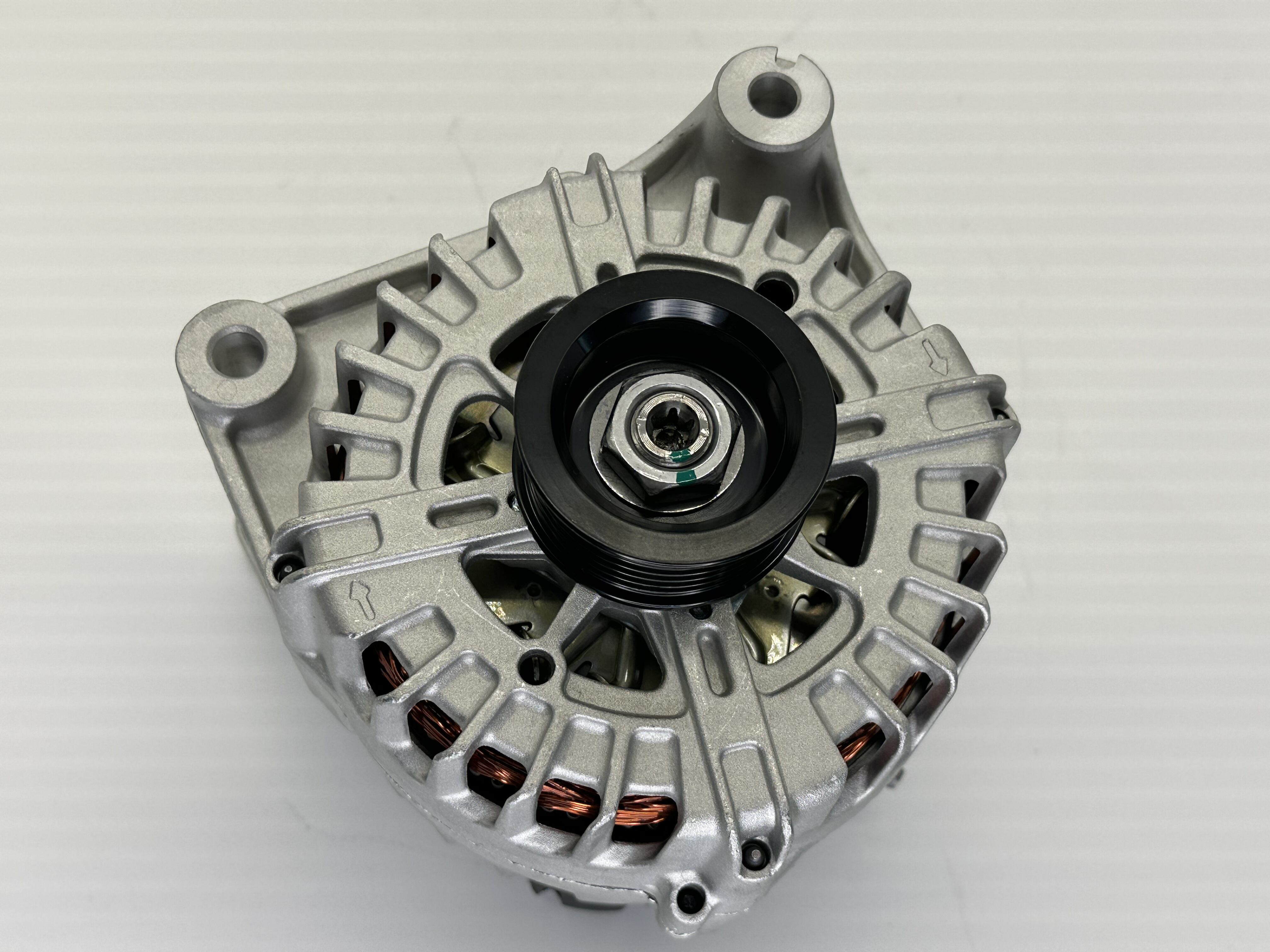
Understanding the Critical Role of Your Vehicle's Alternator
Your car's alternator plays a vital role in keeping your vehicle running smoothly, acting as the powerhouse of your car's electrical system. This component works tirelessly to convert mechanical energy into electrical power, charging your battery and supplying electricity to essential systems while you drive. When signs of a car alternator failing begin to appear, it's crucial to address them promptly to avoid being stranded on the road.
Modern vehicles rely heavily on electrical components, from basic functions like headlights and windshield wipers to sophisticated entertainment systems and safety features. A properly functioning alternator ensures all these systems receive the power they need. Understanding how this crucial component works and recognizing the warning signs of failure can save you from unexpected breakdowns and costly repairs.
Key Warning Signs of Alternator Problems
Visual and Audio Indicators
One of the most obvious signs of a car alternator failing is the illumination of your battery warning light on the dashboard. This light, often shaped like a battery, may actually indicate an alternator problem rather than a battery issue. Strange noises, particularly a growling or whining sound from the engine area, can also signal alternator bearing problems.
Another visual clue is the brightness of your headlights and interior lights. If they appear unusually dim or excessively bright, or if they fluctuate between bright and dim, your alternator might be struggling to maintain consistent power output. These fluctuations can damage other electrical components if left unchecked.
Performance-Related Symptoms
When your alternator begins to fail, you might notice various performance issues. Your vehicle may have difficulty starting, requiring multiple attempts before the engine turns over. Once running, the engine might stall unexpectedly or run roughly. These symptoms occur because the alternator isn't providing enough power to the spark plugs and fuel injection system.
Modern vehicles with power steering and electric windows may show additional symptoms. These accessories might operate more slowly than usual or stop working altogether when the alternator isn't producing sufficient power. You might also notice your car's computer system acting erratically or resetting itself.
The Impact of Environmental Factors
Weather Conditions and Alternator Performance
Extreme temperatures can accelerate alternator wear and make existing problems more apparent. During hot weather, increased use of your air conditioning system puts additional strain on the alternator. Cold weather can also affect alternator performance, as battery capacity typically decreases in lower temperatures, requiring the alternator to work harder.
Moisture and road salt can corrode alternator components, particularly in coastal areas or regions where roads are heavily salted during winter. Regular maintenance becomes even more critical in these challenging environmental conditions to prevent premature alternator failure.
Driving Habits and Their Effects
Your driving patterns can significantly impact alternator lifespan. Frequent short trips prevent the alternator from fully charging the battery, while stop-and-go traffic creates varying electrical demands that stress the charging system. Additionally, using multiple power-hungry accessories simultaneously, such as heated seats, high-powered stereos, and charging devices, can overwork the alternator.
Regular highway driving typically allows for optimal alternator operation, as the consistent engine speed provides steady charging conditions. However, this doesn't mean highway-only vehicles are immune to alternator problems – age and overall vehicle maintenance still play crucial roles in alternator longevity.
Preventive Maintenance and Care
Regular Inspection Routines
Implementing a consistent maintenance schedule can help identify potential alternator issues before they become serious problems. Regular visual inspections can reveal loose connections, worn belts, or signs of corrosion. The drive belt, which powers the alternator, should be checked for proper tension and wear during routine maintenance.
Professional diagnostic testing can measure alternator output and identify declining performance before complete failure occurs. Many service centers include alternator testing as part of their routine maintenance packages, helping catch problems early when repairs are typically less expensive.
Extending Alternator Life
Several practices can help maximize your alternator's lifespan. Keeping your battery in good condition reduces stress on the alternator, as a weak battery requires more charging effort. Maintaining clean electrical connections throughout your vehicle's charging system ensures efficient power transfer and prevents unnecessary strain on the alternator.
Being mindful of your electrical usage, especially when the engine is idling, can also help preserve alternator life. Consider turning off unnecessary electrical accessories when they're not needed, particularly during short trips or in stop-and-go traffic conditions.
Professional Diagnosis and Repair Options
Diagnostic Procedures
When signs of a car alternator failing appear, professional diagnosis is essential for accurate problem identification. Certified technicians use specialized equipment to test alternator output, diode function, and overall charging system performance. These tests can differentiate between alternator problems and other electrical issues, ensuring appropriate repairs are made.
Modern vehicles often require computer diagnostics to fully assess alternator performance, as the charging system is integrated with various electronic control modules. Professional diagnostic equipment can read these systems and identify specific components requiring attention.
Repair or Replace Decisions
Once an alternator problem is confirmed, vehicle owners face the choice between repair and replacement. While some alternator issues can be resolved by replacing individual components like brushes or voltage regulators, full replacement is often more cost-effective in the long run. Quality replacement alternators typically come with warranties and can provide years of reliable service.
The decision may also depend on your vehicle's age and overall condition. For newer vehicles, installing a new OEM or high-quality aftermarket alternator might be the best investment. Older vehicles might benefit from rebuilt units that offer good reliability at a lower cost.
Frequently Asked Questions
How long does a typical car alternator last?
The average alternator lifespan ranges from 7 to 10 years, or approximately 80,000 to 150,000 miles. However, this can vary significantly based on vehicle make, driving conditions, and maintenance practices. Regular maintenance and avoiding excessive electrical loads can help extend alternator life.
Can I drive with a failing alternator?
While it's technically possible to drive briefly with a failing alternator, it's not recommended. Once the alternator stops working, your vehicle will run solely on battery power until it's depleted, potentially leaving you stranded. Additionally, modern vehicles may experience electronic system failures that could compromise safety.
What's the typical cost to replace an alternator?
Alternator replacement costs typically range from $500 to $1000, including parts and labor. The exact cost depends on your vehicle make and model, the type of alternator selected (new or rebuilt), and local labor rates. Some luxury or high-performance vehicles may cost more due to specialized parts and additional labor requirements.