
 EN
EN
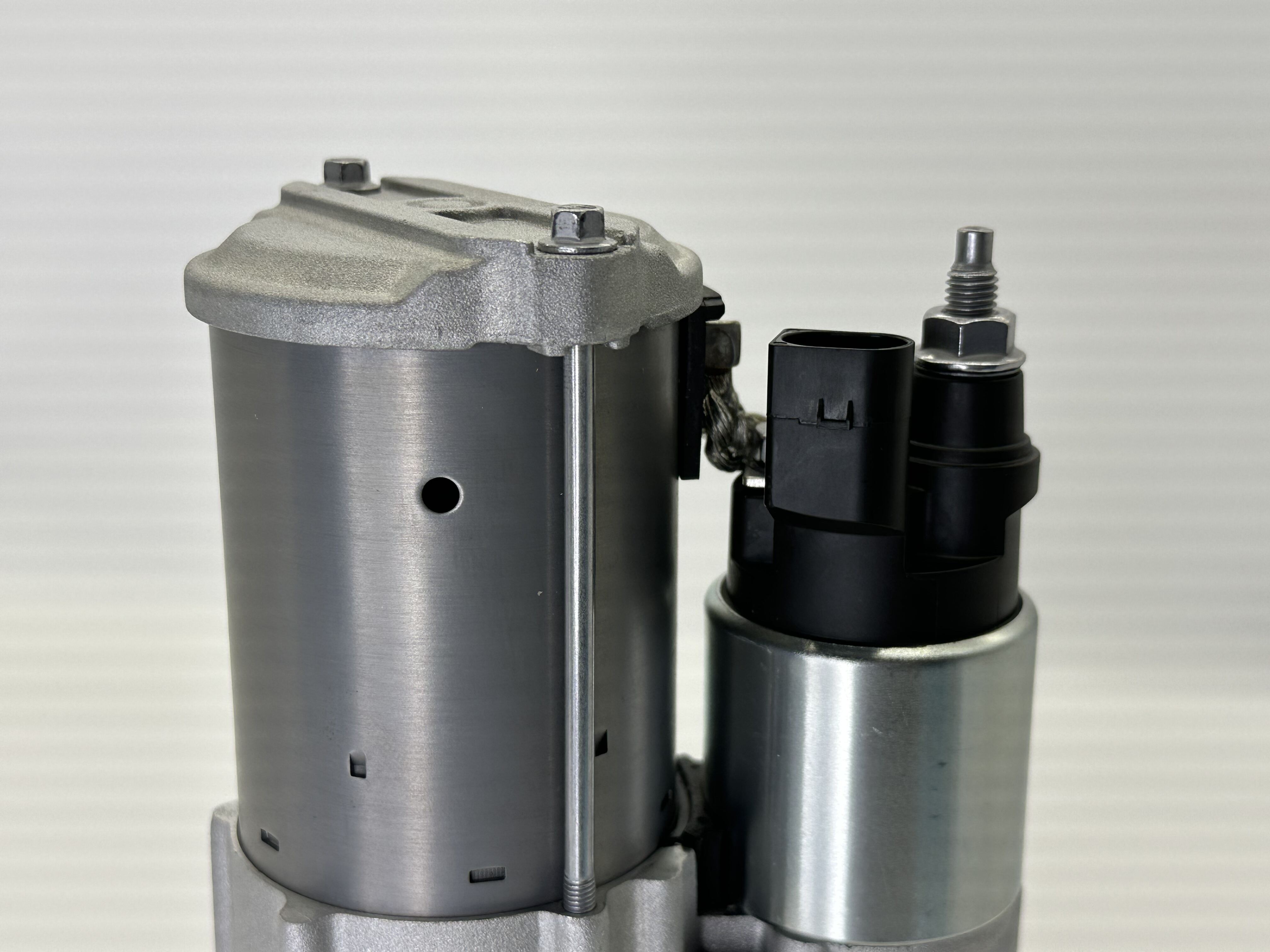
Finding the right wholesale alternator supplier is crucial for automotive businesses looking to maintain competitive pricing while ensuring product quality and reliability. The alternator market represents a significant segment of the automotive parts industry, with businesses ranging from auto repair shops to large dealerships requiring consistent access to high-quality alternators at wholesale prices. Making the wrong supplier choice can lead to inventory shortages, customer dissatisfaction, and potential damage to your business reputation.
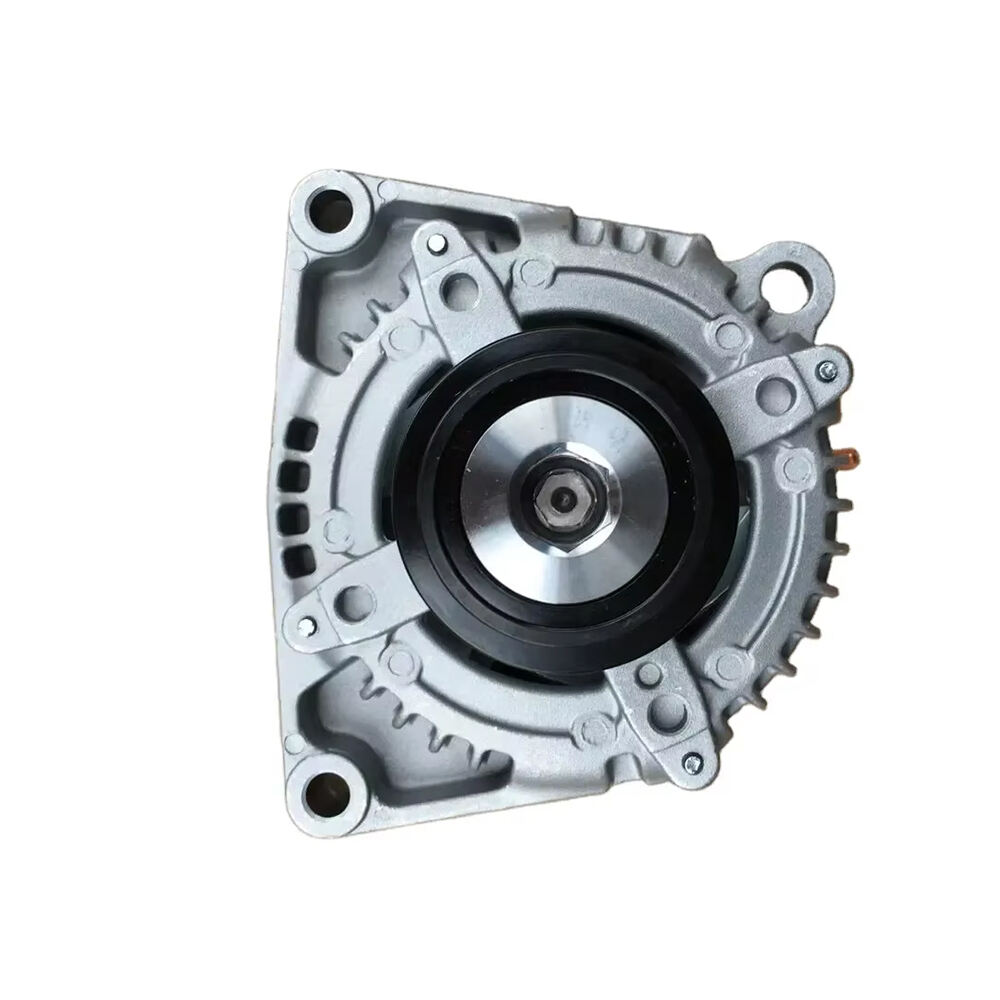
The wholesale alternator market has evolved significantly with technological advances and changing automotive requirements. Modern vehicles demand more sophisticated electrical systems, making the selection of quality alternators more critical than ever. Understanding the landscape of wholesale suppliers, their capabilities, and their commitment to quality can make the difference between a thriving parts business and one struggling with constant customer complaints and returns.
Understanding Wholesale Alternator Market Dynamics
Market Structure and Supply Chain
The wholesale alternator industry operates through a complex network of manufacturers, distributors, and regional suppliers. Understanding this structure helps businesses identify the most suitable entry points for their specific needs. Original Equipment Manufacturer (OEM) suppliers typically offer the highest quality but at premium prices, while aftermarket suppliers provide cost-effective alternatives with varying quality levels.
Global supply chains have created opportunities for accessing alternators from various international markets, particularly from Asian manufacturers who have established strong reputations for quality and competitive pricing. However, navigating international suppliers requires understanding import regulations, quality standards, and shipping logistics that can significantly impact your business operations.
Quality Standards and Certifications
Quality certifications serve as essential indicators of supplier reliability and product consistency. ISO 9001 certification demonstrates a supplier's commitment to quality management systems, while automotive-specific certifications like IATF 16949 indicate adherence to stringent automotive industry standards. These certifications provide assurance that the wholesale alternator products meet international quality benchmarks.
Understanding the difference between various quality grades helps businesses align their supplier selection with their customer base and market positioning. Premium grade alternators typically feature enhanced durability and longer warranties, while economy grades offer basic functionality at lower price points. The key is matching the quality level with your target market's expectations and price sensitivity.
Supplier Evaluation Criteria
Financial Stability and Business Longevity
Evaluating a supplier's financial stability provides insight into their ability to maintain consistent operations and honor long-term commitments. Companies with strong financial backing are more likely to invest in quality improvements, maintain adequate inventory levels, and provide reliable customer support. Request financial statements, credit ratings, or industry references to assess their stability.
Business longevity in the automotive parts industry indicates experience with market fluctuations, technological changes, and customer demands. Established suppliers typically have refined their processes, developed robust quality control systems, and built relationships with reliable component manufacturers. However, newer companies might offer innovative approaches and more competitive pricing structures.
Production Capacity and Scalability
Assessing production capacity ensures that your chosen supplier can meet both current and future demand requirements. Understanding their manufacturing capabilities, including daily production volumes, quality control processes, and ability to scale operations, helps prevent supply disruptions as your business grows.
Scalability becomes particularly important for businesses experiencing rapid growth or seasonal demand fluctuations. Suppliers with flexible production schedules and multiple manufacturing facilities can better accommodate varying order volumes and urgent requirements. Discuss their capacity planning processes and backup production capabilities to ensure continuity of supply.
Quality Assurance and Testing Protocols
Manufacturing Standards and Processes
Comprehensive quality assurance begins with understanding the supplier's manufacturing processes and quality control measures. Reputable wholesale alternator suppliers implement rigorous testing protocols throughout the production cycle, from incoming component inspection to final product validation. These processes ensure consistent performance and reliability across all units.
Advanced manufacturing facilities utilize automated testing equipment to verify electrical output, mechanical integrity, and durability under various operating conditions. Understanding these testing procedures helps evaluate whether the supplier's quality standards align with your business requirements and customer expectations.
Product Warranty and Return Policies
Warranty terms reflect the supplier's confidence in their product quality and provide protection for your business investment. Comprehensive warranty coverage should include defect replacement, performance guarantees, and clear procedures for handling warranty claims. Understanding the warranty duration and coverage limitations helps in planning inventory management and customer service policies.
Return policies for defective or damaged products directly impact your business operations and customer relationships. Suppliers with flexible return procedures and quick replacement systems minimize disruptions to your operations and help maintain customer satisfaction. Evaluate their response times, replacement procedures, and shipping arrangements for returned products.
Logistics and Supply Chain Management
Shipping and Delivery Capabilities
Efficient logistics capabilities are essential for maintaining optimal inventory levels and meeting customer demands. Evaluate suppliers based on their shipping options, delivery timeframes, and ability to handle emergency orders. Understanding their distribution network helps assess whether they can provide consistent and timely deliveries to your location.
International suppliers may offer competitive pricing but require careful consideration of shipping costs, customs procedures, and potential delays. Factor these logistical challenges into your total cost calculations and timeline planning. Domestic suppliers might offer faster delivery and easier communication but potentially at higher unit costs.
Inventory Management and Stock Availability
Reliable stock availability prevents lost sales and maintains customer satisfaction. Suppliers with comprehensive inventory management systems can provide real-time stock information and accurate delivery estimates. Understanding their inventory turnover rates and stock replenishment cycles helps in planning your own inventory requirements.
Seasonal demand patterns and market trends affect alternator availability throughout the year. Suppliers who actively monitor market demands and adjust their inventory accordingly provide better service consistency. Discuss their forecasting methods and inventory planning processes to ensure alignment with your business cycles.
Pricing Strategy and Value Assessment
Cost Structure Analysis
Understanding the complete cost structure beyond the basic unit price provides a more accurate assessment of supplier value. Consider factors such as shipping costs, minimum order quantities, payment terms, and volume discounts when evaluating different suppliers. These elements significantly impact your total procurement costs and cash flow requirements.
Volume-based pricing tiers can provide substantial savings for businesses with consistent high-volume requirements. However, balancing volume discounts with inventory carrying costs requires careful analysis of your sales patterns and storage capabilities. Negotiate pricing structures that align with your business model and growth projections.
Long-term Value Proposition
Evaluating long-term value involves considering factors beyond immediate pricing, including supplier stability, service quality, and potential for business partnership development. A wholesale alternator supplier who invests in relationship building and provides comprehensive support services often delivers superior long-term value despite potentially higher initial costs.
Consider the supplier's commitment to innovation and product development when assessing long-term value. Suppliers who continuously improve their products and adapt to changing automotive technologies provide better positioning for future market demands. This forward-thinking approach can translate into competitive advantages for your business.
Communication and Customer Service Excellence
Responsive Communication Channels
Effective communication forms the foundation of successful supplier relationships. Evaluate potential suppliers based on their responsiveness to inquiries, clarity of communication, and availability across different time zones if working with international suppliers. Multiple communication channels including phone, email, and online portals provide flexibility for different business needs.
Technical support capabilities become crucial when dealing with complex alternator specifications or installation questions. Suppliers with knowledgeable technical staff can provide valuable assistance in product selection, troubleshooting, and application guidance. This support capability can differentiate your business by enabling you to provide superior customer service.
Account Management and Relationship Building
Dedicated account management demonstrates the supplier's commitment to building long-term business relationships. Account managers who understand your business requirements, market challenges, and growth objectives can provide proactive support and customized solutions. Regular business reviews and performance assessments help maintain optimal supplier relationships.
Relationship building extends beyond transactional interactions to include collaborative problem-solving and strategic planning. Suppliers who view their customers as partners often provide preferential treatment during supply shortages, early access to new products, and customized service arrangements. These relationship benefits can provide significant competitive advantages in challenging market conditions.
Technology Integration and Digital Capabilities
E-commerce Platforms and Online Ordering
Modern wholesale alternator suppliers increasingly offer sophisticated e-commerce platforms that streamline ordering processes and provide real-time inventory visibility. These systems enable automated ordering, order tracking, and integration with your existing business management systems. Evaluate suppliers based on their digital capabilities and ease of system integration.
Mobile accessibility and user-friendly interfaces enhance operational efficiency and enable ordering flexibility. Suppliers with robust online platforms often provide detailed product specifications, compatibility information, and technical documentation that supports informed purchasing decisions. These digital resources can significantly improve your operational efficiency and customer service capabilities.
Data Analytics and Business Intelligence
Advanced suppliers provide business intelligence tools that help analyze purchasing patterns, identify cost optimization opportunities, and forecast demand requirements. These analytics capabilities enable more informed inventory management and strategic planning decisions. Understanding the supplier's data capabilities helps maximize the value of your business relationship.
Integration with your existing systems allows for seamless data flow and automated reporting capabilities. Suppliers who offer API integration or standard data export formats enable better business process automation and performance monitoring. These technical capabilities become increasingly important as businesses grow and require more sophisticated operational management.
Risk Management and Contingency Planning
Supply Chain Diversification
Developing relationships with multiple wholesale alternator suppliers provides protection against supply disruptions and enhances negotiating power. Diversification strategies should consider geographic distribution, production capacity variations, and complementary product offerings. Maintaining backup suppliers ensures business continuity during unexpected supply chain challenges.
Risk assessment should include evaluation of each supplier's vulnerability to natural disasters, political instability, and economic fluctuations. Suppliers with diversified manufacturing locations and robust contingency plans provide better risk mitigation. Understanding their business continuity procedures helps assess their reliability during challenging circumstances.
Contract Terms and Legal Considerations
Comprehensive supplier agreements should address quality standards, delivery requirements, pricing terms, and dispute resolution procedures. Clear contractual terms protect both parties and provide frameworks for addressing performance issues. Legal review of supplier agreements ensures compliance with applicable regulations and industry standards.
International supplier relationships require additional consideration of trade regulations, currency fluctuations, and intellectual property protections. Understanding these legal complexities helps avoid potential complications and ensures smooth business operations. Professional legal and trade consultation may be necessary for complex international supplier arrangements.
FAQ
What factors should I prioritize when selecting a wholesale alternator supplier?
Prioritize quality certifications, production capacity, financial stability, and customer service capabilities. Quality certifications like ISO 9001 ensure consistent product standards, while adequate production capacity guarantees reliable supply availability. Financial stability indicates the supplier's ability to maintain operations and honor commitments, and strong customer service provides essential support for your business operations.
How can I verify the quality of wholesale alternators before placing large orders?
Request sample products for testing and evaluation in your specific applications. Verify the supplier's quality certifications and manufacturing standards through third-party validation. Review customer testimonials and industry references to assess real-world performance. Consider conducting facility visits or requesting detailed quality control documentation to understand their manufacturing processes and testing procedures.
What are the typical minimum order quantities for wholesale alternator purchases?
Minimum order quantities vary significantly depending on the supplier and product specifications, typically ranging from 10 to 100 units for standard applications. OEM suppliers often require higher minimum orders compared to aftermarket suppliers. Discuss volume requirements during initial negotiations and consider your inventory capacity and cash flow when evaluating different suppliers' minimum order requirements.
How should I handle warranty claims and product returns with wholesale suppliers?
Establish clear warranty procedures and documentation requirements before placing orders. Maintain detailed records of product serial numbers, installation dates, and failure symptoms to support warranty claims. Work with suppliers who provide streamlined return processes and quick replacement procedures. Consider negotiating advance replacement programs for critical applications to minimize customer downtime during warranty situations.
Table of Contents
- Understanding Wholesale Alternator Market Dynamics
- Supplier Evaluation Criteria
- Quality Assurance and Testing Protocols
- Logistics and Supply Chain Management
- Pricing Strategy and Value Assessment
- Communication and Customer Service Excellence
- Technology Integration and Digital Capabilities
- Risk Management and Contingency Planning
-
FAQ
- What factors should I prioritize when selecting a wholesale alternator supplier?
- How can I verify the quality of wholesale alternators before placing large orders?
- What are the typical minimum order quantities for wholesale alternator purchases?
- How should I handle warranty claims and product returns with wholesale suppliers?