
 EN
EN
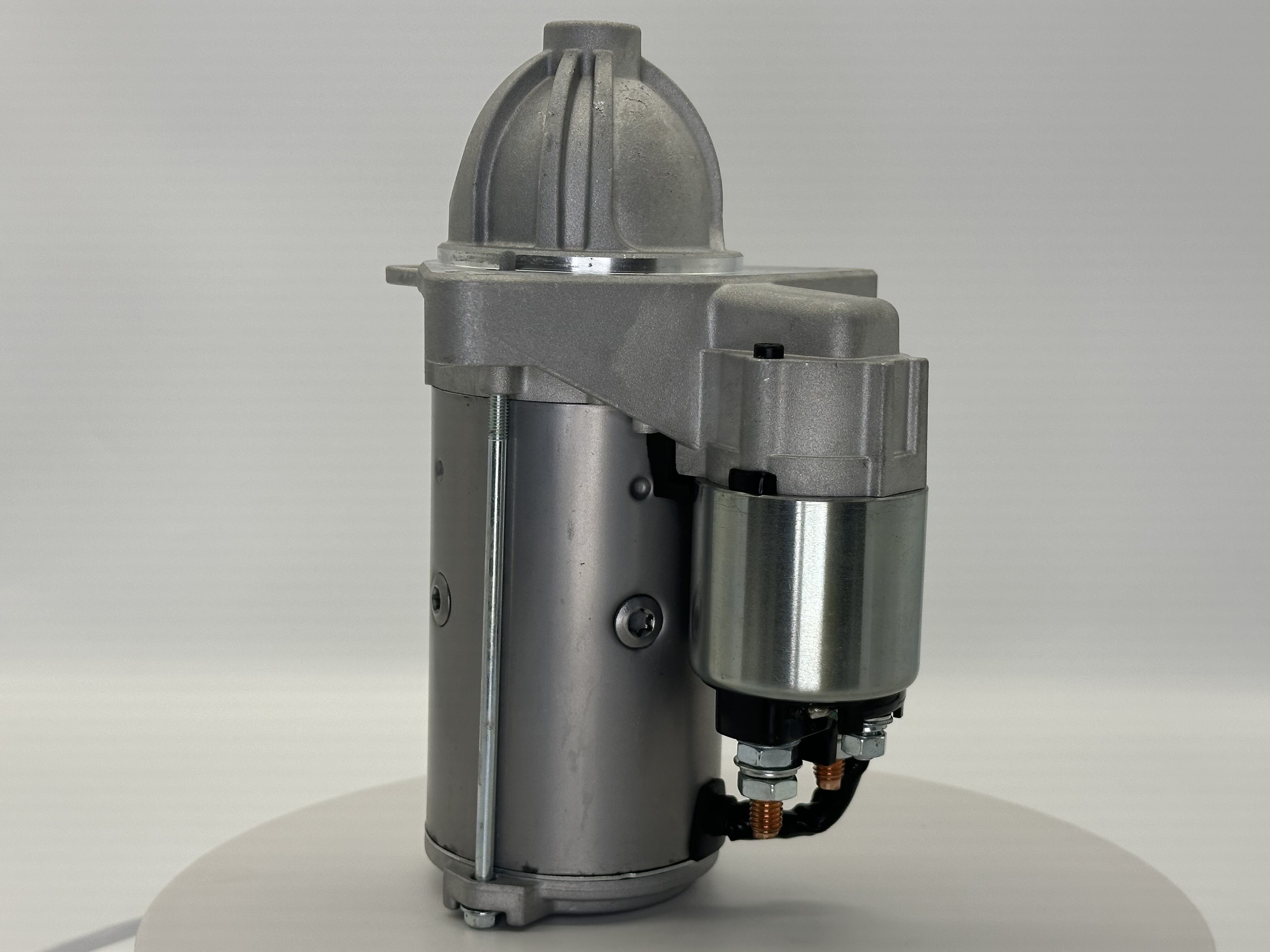
In today's competitive manufacturing landscape, achieving consistent thermostat performance requires more than just quality components and advanced technology. The foundation of reliable thermostat production lies in implementing robust stable production management systems that ensure every unit meets strict quality standards while maintaining cost-effectiveness. Modern thermostat manufacturers face increasing pressure to deliver products that perform reliably across diverse environmental conditions, making systematic production management more critical than ever before.

The relationship between production stability and thermostat performance extends beyond simple quality control measures. When manufacturers establish comprehensive management protocols, they create an environment where temperature control devices can be produced with minimal variation between units. This consistency directly translates to improved field performance, reduced warranty claims, and enhanced customer satisfaction across residential, commercial, and industrial applications.
Core Principles of Stable Production Management
Process Standardization and Documentation
Effective stable production management begins with comprehensive process standardization that eliminates variability in manufacturing procedures. Each step of thermostat assembly must be clearly defined, documented, and consistently executed to ensure reproducible results. This includes establishing standard operating procedures for component handling, assembly sequences, calibration protocols, and quality checkpoints throughout the production line.
Documentation serves as the backbone of consistent manufacturing, providing operators with clear guidelines for every production phase. When procedures are properly documented and regularly updated, manufacturers can maintain quality standards even during staff changes or production scaling. This systematic approach reduces human error and ensures that every thermostat receives identical treatment during the manufacturing process.
Quality Control Integration
Integrating quality control measures throughout the production process rather than relying solely on end-of-line testing significantly improves thermostat consistency. In-process inspections at critical manufacturing stages help identify potential issues before they affect final product performance. These checkpoints include component verification, assembly accuracy checks, calibration validation, and functional testing at multiple production stages.
Advanced quality control systems utilize statistical process control methods to monitor production trends and identify potential drift before it impacts product quality. By establishing control limits for critical parameters such as temperature accuracy, response time, and mechanical durability, manufacturers can maintain consistent thermostat performance while minimizing waste and rework costs.
Technology Integration for Enhanced Stability
Automated Manufacturing Systems
Modern thermostat production benefits significantly from automated manufacturing systems that reduce human variability and improve consistency. Automated assembly lines ensure precise component placement, consistent torque application, and accurate calibration procedures that would be difficult to achieve through manual processes alone. These systems can maintain tight tolerances while operating at high production speeds, making them ideal for volume thermostat manufacturing.
Robot-assisted assembly operations provide exceptional repeatability for critical manufacturing steps such as sensor installation, wiring connections, and housing assembly. When properly programmed and maintained, automated systems can achieve consistency levels that exceed manual assembly capabilities while reducing production costs and cycle times.
Data-Driven Decision Making
Implementing comprehensive data collection and analysis systems enables manufacturers to make informed decisions about production adjustments and improvements. Real-time monitoring of production parameters allows for immediate response to variations that could affect thermostat performance. This proactive approach prevents quality issues from developing into larger problems that could impact entire production batches.
Historical production data analysis helps identify trends and patterns that may not be apparent during day-to-day operations. By examining long-term performance metrics, manufacturers can optimize their stable production management strategies to achieve even better consistency and efficiency levels over time.
Supply Chain Management Impact
Component Quality Assurance
Stable production management extends beyond internal manufacturing processes to include comprehensive supply chain oversight. Component quality directly impacts final thermostat performance, making supplier management a critical aspect of production stability. Establishing rigorous incoming inspection procedures and working closely with suppliers to maintain consistent component specifications ensures that production variability from external sources is minimized.
Supplier auditing and certification programs help maintain component quality standards while building strong partnerships with key vendors. When suppliers understand the critical nature of their components in thermostat performance, they are more likely to implement their own quality management systems that align with manufacturer requirements.
Inventory Management Strategies
Effective inventory management ensures that production lines have consistent access to quality components while minimizing storage costs and obsolescence risks. First-in-first-out inventory rotation prevents component aging issues that could affect thermostat reliability. Strategic buffer stock management helps maintain production continuity while avoiding excessive inventory carrying costs.
Component traceability systems enable manufacturers to track individual parts through the production process, facilitating rapid issue resolution if quality problems arise. This capability is particularly important for thermostats used in critical applications where performance reliability is paramount.
Workforce Development and Training
Skill Development Programs
Investing in comprehensive workforce training programs ensures that production personnel understand the importance of consistency in thermostat manufacturing. Well-trained operators are better equipped to identify potential quality issues, follow standard procedures accurately, and contribute to continuous improvement initiatives. Regular training updates keep staff informed about new procedures, technology changes, and quality requirements.
Cross-training programs develop versatile team members who can maintain production stability even when key personnel are unavailable. This flexibility helps prevent production disruptions while maintaining quality standards across all shifts and production scenarios.
Performance Monitoring and Feedback
Establishing clear performance metrics and providing regular feedback helps maintain high standards of workmanship throughout the production team. Individual and team performance tracking enables targeted training interventions when needed while recognizing excellent performance that contributes to production stability.
Regular performance reviews and improvement discussions create opportunities for operators to share insights about process improvements and potential quality enhancements. This collaborative approach often yields valuable suggestions that can further enhance stable production management effectiveness.
Continuous Improvement Methodologies
Lean Manufacturing Implementation
Lean manufacturing principles provide excellent frameworks for achieving stable production management in thermostat manufacturing. Waste elimination, value stream mapping, and continuous flow optimization help create more consistent production processes while reducing costs and improving efficiency. These methodologies focus on eliminating variation sources that could impact thermostat performance.
Implementation of lean tools such as 5S workplace organization, visual management systems, and standardized work instructions creates more predictable production environments. When operators work in well-organized spaces with clear procedures, they can focus on maintaining quality rather than dealing with production inefficiencies.
Six Sigma Quality Management
Six Sigma methodologies provide powerful tools for identifying and eliminating sources of variation in thermostat production processes. Statistical analysis techniques help quantify process capability and identify improvement opportunities that may not be obvious through casual observation. This data-driven approach to quality improvement aligns perfectly with stable production management objectives.
Project-based improvement initiatives using Six Sigma tools can address specific quality challenges while building internal expertise in process improvement techniques. These efforts often result in significant improvements in thermostat consistency and performance while reducing production costs.
FAQ
What are the key benefits of implementing stable production management for thermostat manufacturing
Stable production management delivers multiple benefits including improved product consistency, reduced warranty claims, enhanced customer satisfaction, and lower production costs. By minimizing process variation, manufacturers can produce thermostats that perform reliably across diverse applications while maintaining competitive pricing. Additionally, stable processes reduce waste, rework, and quality-related delays that can impact delivery schedules.
How does automation contribute to thermostat production stability
Automation eliminates human variability in critical manufacturing processes, ensuring consistent component placement, assembly torque, and calibration procedures. Automated systems can maintain tight tolerances while operating at high speeds, making them ideal for volume production. Robot-assisted operations provide exceptional repeatability for precise tasks such as sensor installation and wiring connections, resulting in more consistent thermostat performance.
What role does supplier management play in production stability
Supplier management is crucial because component quality directly impacts final thermostat performance. Establishing rigorous incoming inspection procedures, supplier certification programs, and close partnerships with key vendors helps ensure consistent component specifications. Effective supplier management minimizes external sources of variation that could affect production stability and final product quality.
How can manufacturers measure the effectiveness of their production management systems
Effectiveness can be measured through key performance indicators such as process capability indices, defect rates, customer satisfaction scores, and warranty claim frequencies. Statistical process control charts help monitor production trends and identify potential issues before they impact quality. Regular audits and performance reviews provide additional insights into system effectiveness and improvement opportunities.
Table of Contents
- Core Principles of Stable Production Management
- Technology Integration for Enhanced Stability
- Supply Chain Management Impact
- Workforce Development and Training
- Continuous Improvement Methodologies
-
FAQ
- What are the key benefits of implementing stable production management for thermostat manufacturing
- How does automation contribute to thermostat production stability
- What role does supplier management play in production stability
- How can manufacturers measure the effectiveness of their production management systems