
 EN
EN
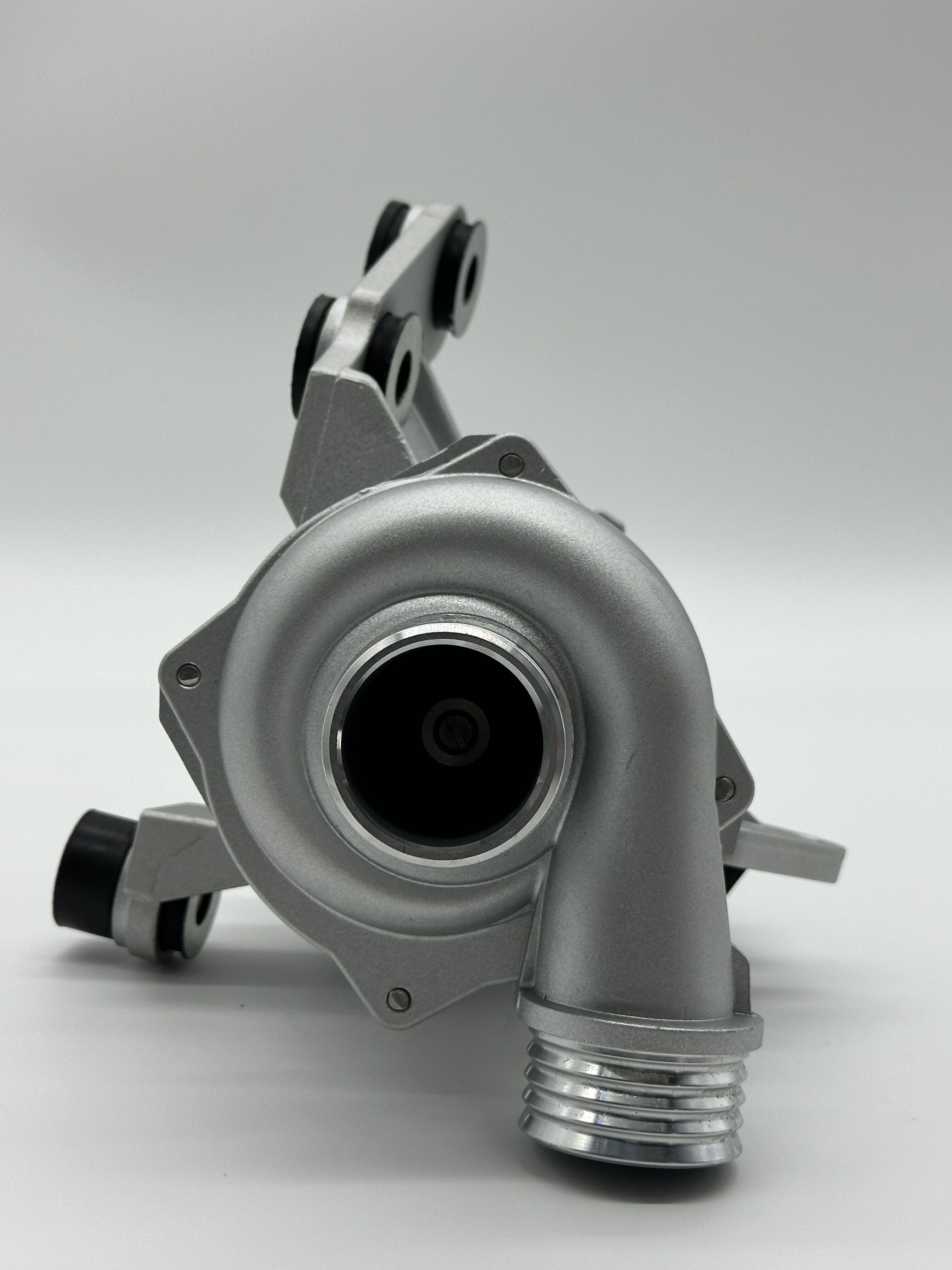
Modern automotive and industrial applications demand reliable cooling systems that can withstand extreme operating conditions while maintaining optimal performance. Advanced manufacturing systems have revolutionized how cooling components are designed, produced, and tested, leading to significant improvements in both efficiency and durability. These technological advancements have particularly transformed the production of critical cooling system components, enabling manufacturers to create products that exceed traditional performance standards and meet the evolving demands of modern engines and industrial machinery.

Precision Engineering in Modern Manufacturing
Computer-Controlled Machining Systems
Contemporary manufacturing facilities utilize sophisticated computer numerical control machines that achieve tolerances within micrometers, ensuring each component meets exact specifications. These precision systems eliminate human error and maintain consistent quality across large production volumes. The integration of real-time monitoring sensors allows for immediate adjustments during the manufacturing process, preventing defects before they occur. Advanced machining centers can operate continuously with minimal supervision, dramatically reducing production costs while improving overall product quality.
Multi-axis machining capabilities enable manufacturers to create complex geometries that optimize fluid dynamics and reduce internal friction. This precision manufacturing approach results in components with superior performance characteristics and extended operational lifespans. The ability to maintain tight tolerances across all manufacturing processes ensures proper fitment and sealing, which directly impacts long-term reliability and performance.
Material Science Innovations
Advanced manufacturing systems incorporate cutting-edge materials specifically engineered for demanding cooling applications. High-performance polymers and metal alloys undergo rigorous testing to ensure compatibility with various coolant chemistries and temperature ranges. These materials exhibit enhanced resistance to corrosion, thermal cycling, and mechanical stress, contributing significantly to extended component lifespans.
Nanotechnology applications in material development have led to surface treatments that reduce friction and improve thermal conductivity. These innovations allow cooling components to operate more efficiently while generating less heat and requiring less maintenance. The strategic selection and application of advanced materials during manufacturing directly translates to improved performance and reliability in real-world applications.
Quality Control and Testing Protocols
Automated Inspection Systems
Modern manufacturing facilities employ sophisticated vision systems and coordinate measuring machines to inspect every component with unprecedented accuracy. These automated systems can detect microscopic defects that might compromise performance or longevity, ensuring only components meeting strict quality standards reach the market. Statistical process control algorithms analyze inspection data in real-time, identifying trends that might indicate potential manufacturing issues before they affect product quality.
Laser measurement systems verify dimensional accuracy across multiple parameters simultaneously, providing comprehensive quality assurance data for each manufactured component. This level of inspection detail enables manufacturers to maintain consistent quality while optimizing production efficiency. The integration of artificial intelligence in inspection systems allows for predictive quality management, further enhancing manufacturing reliability.
Performance Validation Testing
Comprehensive testing protocols simulate real-world operating conditions to validate component performance and durability. Accelerated life testing exposes components to extreme temperature cycles, pressure variations, and chemical exposure to predict long-term performance characteristics. These rigorous testing procedures ensure that components will perform reliably throughout their intended service life.
Flow rate testing and pressure testing verify that each component meets specified performance parameters under various operating conditions. Endurance testing protocols run components through millions of operational cycles to identify potential failure modes and validate design improvements. This extensive testing approach provides manufacturers with confidence in their products while giving end users assurance of reliable performance.
Advanced Assembly Techniques
Robotic Assembly Systems
Robotic assembly systems ensure consistent component positioning and proper torque application during manufacturing processes. These automated systems eliminate variability associated with manual assembly while maintaining precise control over critical assembly parameters. Vision-guided robots can adapt to minor component variations while maintaining assembly quality standards.
Collaborative robots work alongside human technicians to optimize assembly efficiency while maintaining the flexibility to handle custom configurations. Advanced force feedback systems ensure proper component seating without over-tightening or under-tightening critical connections. This balanced approach combines automation efficiency with human oversight for optimal manufacturing results.
Lean Manufacturing Principles
Implementation of lean manufacturing principles eliminates waste while optimizing production flow and quality control processes. Just-in-time inventory management ensures fresh materials while reducing storage costs and potential component degradation. Continuous improvement methodologies identify opportunities for process optimization and quality enhancement throughout the manufacturing cycle.
Value stream mapping helps manufacturers identify bottlenecks and optimize production sequences for maximum efficiency. Standardized work procedures ensure consistent manufacturing practices across all shifts and production lines. These systematic approaches contribute to improved product quality while reducing manufacturing costs and delivery times.
Design Integration and Optimization
Computer-Aided Engineering
Sophisticated simulation software enables engineers to optimize component designs before physical prototyping, reducing development time and costs. Computational fluid dynamics modeling allows designers to visualize flow patterns and identify opportunities for performance improvement. Finite element analysis validates structural integrity under various loading conditions, ensuring reliable operation throughout the component's service life.
Multi-physics simulations consider thermal, mechanical, and fluid dynamic interactions to optimize overall component performance. These advanced design tools enable engineers to explore innovative concepts while maintaining confidence in final product reliability. The integration of simulation results with manufacturing constraints ensures that optimized designs remain manufacturable at scale.
Modular Design Approaches
Modular design strategies enable manufacturers to create component families that share common interfaces while optimizing specific performance characteristics. This approach reduces manufacturing complexity while providing flexibility to meet diverse application requirements. Standardized mounting interfaces and electrical connections simplify installation while reducing inventory requirements for end users.
Scalable design architectures allow manufacturers to leverage common manufacturing processes across multiple product lines, improving efficiency and reducing costs. The electric water pump represents an excellent example of how modular design principles can be applied to create versatile cooling solutions. Component modularity also facilitates future upgrades and service procedures, extending overall system lifespan.
Sustainability and Environmental Considerations
Energy-Efficient Manufacturing
Modern manufacturing facilities incorporate energy recovery systems and optimized production scheduling to minimize environmental impact while maintaining quality standards. LED lighting systems and variable-speed drive motors reduce energy consumption without compromising production capabilities. Heat recovery systems capture and reuse thermal energy from manufacturing processes, improving overall facility efficiency.
Renewable energy integration allows manufacturers to reduce their carbon footprint while maintaining cost-effective operations. Smart grid technologies optimize energy usage patterns to take advantage of favorable utility rates and renewable energy availability. These sustainable manufacturing practices contribute to environmental protection while potentially reducing production costs.
Waste Reduction Strategies
Advanced material utilization techniques minimize waste generation while maximizing raw material efficiency. Closed-loop recycling systems capture and reprocess manufacturing waste into usable raw materials for future production. Chemical recovery systems reclaim and purify process fluids for reuse, reducing both waste generation and raw material costs.
Additive manufacturing techniques enable near-net-shape production, significantly reducing material waste compared to traditional machining processes. Digital twin technologies optimize production parameters to minimize scrap generation while maintaining quality standards. These comprehensive waste reduction approaches contribute to environmental sustainability while improving manufacturing economics.
Future Trends and Technologies
Industry 4.0 Integration
Internet of Things connectivity enables real-time monitoring and optimization of manufacturing processes throughout the production facility. Machine learning algorithms analyze production data to identify optimization opportunities and predict maintenance requirements. This connectivity allows for immediate response to quality issues while optimizing overall equipment effectiveness.
Digital manufacturing platforms integrate design, production, and quality data to provide comprehensive visibility into manufacturing operations. Predictive analytics help manufacturers optimize production schedules and inventory levels while maintaining quality standards. These advanced technologies enable manufacturers to respond quickly to market demands while maintaining operational efficiency.
Artificial Intelligence Applications
Machine learning algorithms optimize manufacturing parameters based on historical performance data and real-time sensor feedback. Computer vision systems enhance quality control capabilities while reducing inspection time and costs. AI-powered predictive maintenance systems minimize unplanned downtime while optimizing maintenance schedules.
Neural networks analyze complex manufacturing data patterns to identify subtle quality indicators that might be missed by traditional inspection methods. Automated decision-making systems can adjust production parameters in real-time to maintain optimal quality and efficiency. These artificial intelligence applications represent the future of manufacturing optimization and quality assurance.
FAQ
How do advanced manufacturing systems improve component reliability
Advanced manufacturing systems improve component reliability through precision machining, automated quality control, and rigorous testing protocols. Computer-controlled manufacturing processes eliminate human error and maintain consistent quality standards across all production volumes. Real-time monitoring systems detect potential issues before they affect product quality, while comprehensive testing validates long-term performance characteristics under various operating conditions.
What role does material science play in manufacturing improvements
Material science innovations enable manufacturers to utilize advanced polymers and metal alloys specifically engineered for demanding applications. These materials offer enhanced resistance to corrosion, thermal cycling, and mechanical stress, directly contributing to extended component lifespans. Nanotechnology applications in material development provide surface treatments that reduce friction and improve thermal conductivity, resulting in more efficient operation and reduced maintenance requirements.
How do quality control systems ensure consistent performance
Modern quality control systems employ automated inspection technologies including vision systems and coordinate measuring machines to verify component specifications with microscopic accuracy. Statistical process control algorithms analyze inspection data in real-time to identify trends and prevent quality issues. Comprehensive performance validation testing simulates real-world conditions to ensure components meet specified performance parameters throughout their intended service life.
What environmental benefits do advanced manufacturing systems provide
Advanced manufacturing systems incorporate energy recovery systems, renewable energy integration, and waste reduction strategies to minimize environmental impact. Closed-loop recycling systems capture and reprocess manufacturing waste, while additive manufacturing techniques reduce material consumption through near-net-shape production. These sustainable practices contribute to environmental protection while often reducing manufacturing costs through improved efficiency and resource utilization.