
 EN
EN
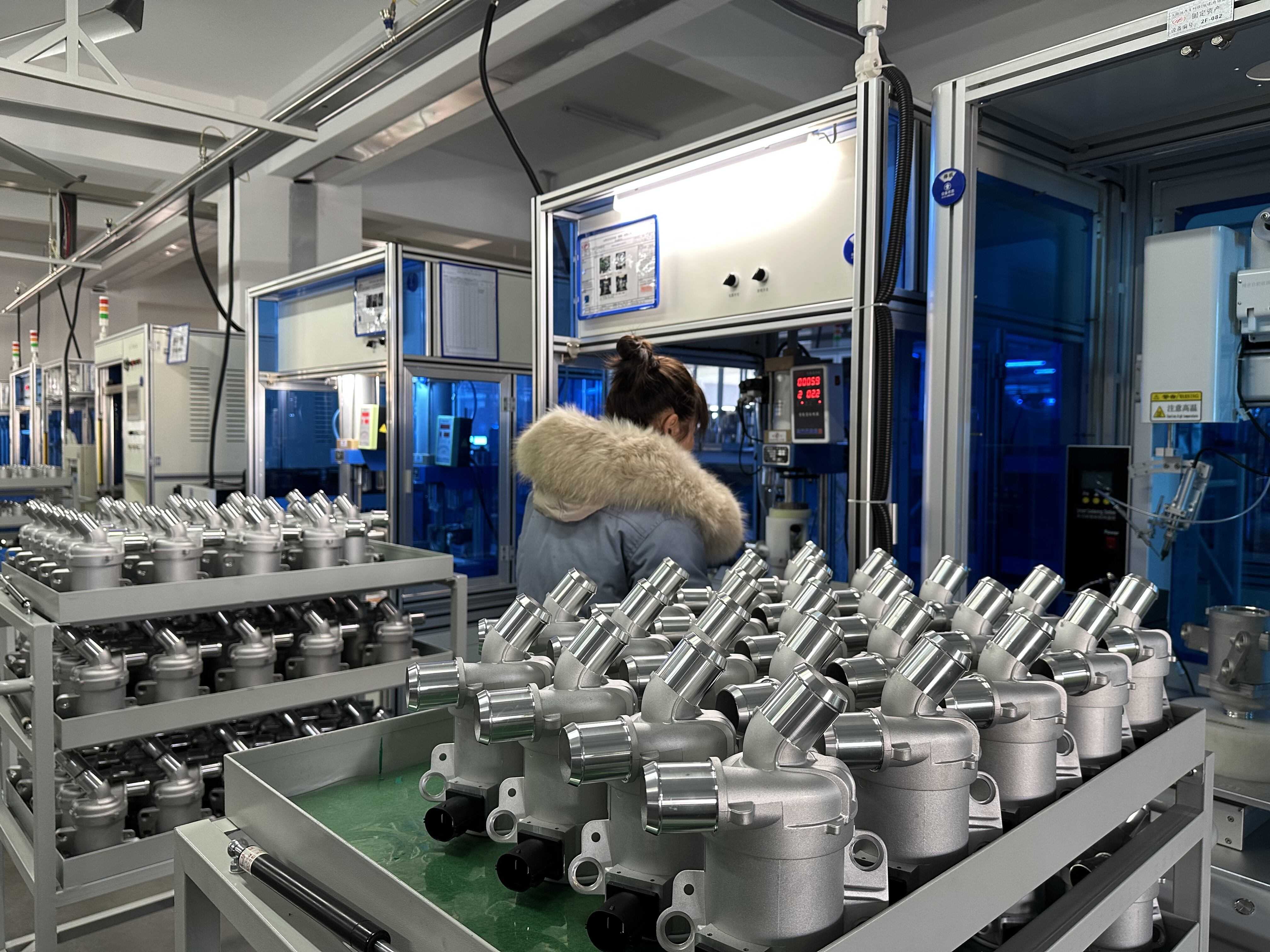
Professional repair chains operating across multiple locations face unique challenges when procuring Mercedes-Benz parts at scale. The complexity of maintaining diverse Mercedes-Benz models from different production years requires a strategic approach to bulk purchasing that ensures parts availability, cost efficiency, and quality consistency. Successful bulk procurement strategies directly impact service delivery timelines, customer satisfaction rates, and operational profitability for repair chains specializing in luxury automotive maintenance.
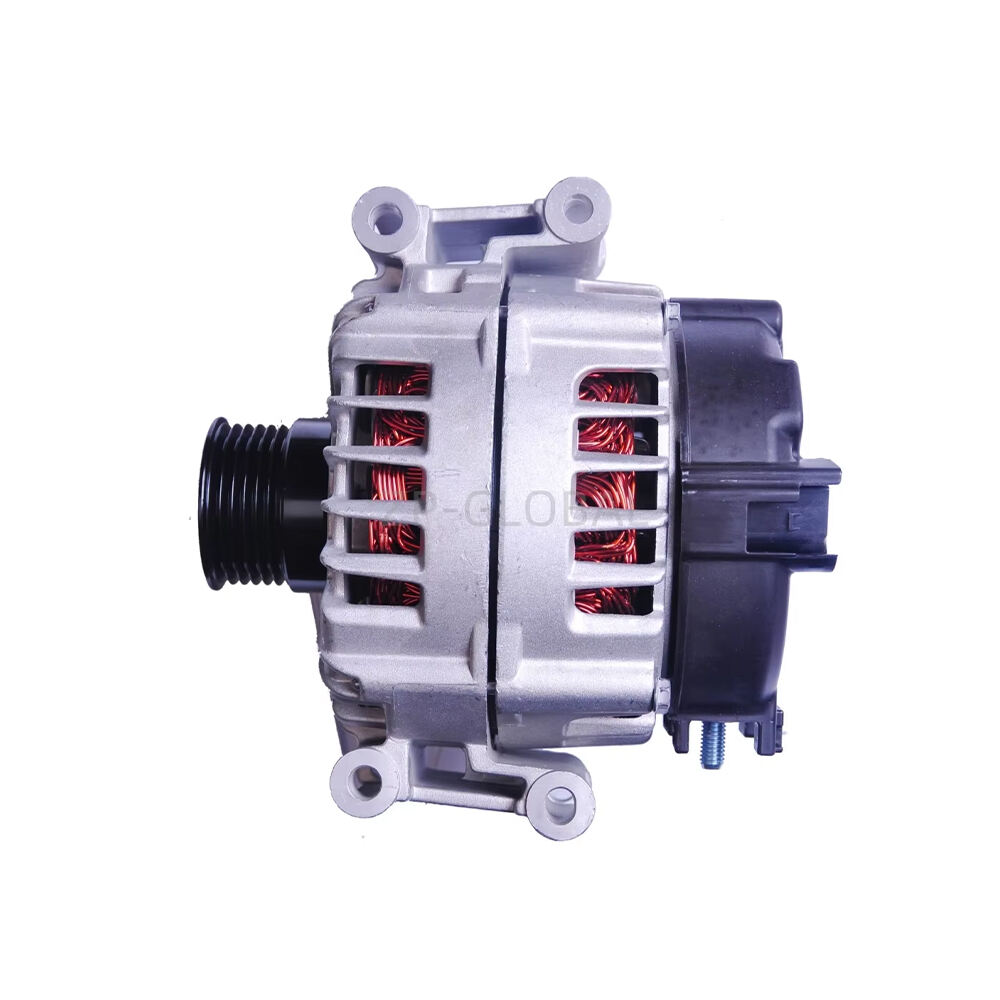
The procurement landscape for Mercedes-Benz parts has evolved significantly with technological advances and changing supply chain dynamics. Repair chains must navigate complex authorization requirements, quality certifications, and inventory management systems while maintaining competitive pricing structures. Understanding the intricacies of bulk Mercedes-Benz parts procurement enables professional repair operations to optimize their supply chains, reduce operational costs, and deliver superior service experiences to their clientele.
Strategic Planning for Mercedes-Benz Parts Inventory
Volume Assessment and Demand Forecasting
Effective bulk procurement begins with comprehensive analysis of historical parts usage patterns across all repair chain locations. Professional operations must evaluate seasonal demand fluctuations, model-specific service requirements, and regional preferences to develop accurate forecasting models. Mercedes-Benz parts demand varies significantly based on vehicle age distribution, local driving conditions, and customer service intervals, requiring sophisticated inventory planning approaches.
Data-driven forecasting systems enable repair chains to identify high-velocity Mercedes-Benz parts that justify bulk purchasing arrangements. Common fast-moving components include brake systems, engine oil filters, air filters, and electrical components that require regular replacement across multiple Mercedes-Benz model lines. Accurate demand prediction prevents both stockout situations and excess inventory carrying costs that can severely impact operational efficiency.
Professional repair chains benefit from implementing tiered inventory strategies that categorize Mercedes-Benz parts by usage frequency, cost impact, and lead time requirements. This classification system supports informed bulk purchasing decisions and ensures critical components remain available while optimizing working capital allocation across the supply chain network.
Supplier Qualification and Authorization Requirements
Mercedes-Benz maintains strict quality standards and authorization processes for parts distribution that professional repair chains must navigate carefully. Authorized supplier networks provide genuine OEM components with proper warranty coverage and technical support, while alternative suppliers may offer cost advantages but require thorough quality verification processes.
Comprehensive supplier evaluation encompasses quality certifications, delivery performance metrics, technical support capabilities, and long-term business stability factors. Professional repair chains must assess supplier capacity to handle bulk orders consistently while maintaining quality standards throughout the procurement cycle. Establishing relationships with multiple qualified suppliers provides supply chain resilience and negotiating leverage for bulk purchasing arrangements.
Authorization requirements for Mercedes-Benz parts distribution vary by component type and application, with safety-critical systems requiring enhanced documentation and certification processes. Repair chains must maintain detailed records of supplier qualifications and part authenticity to ensure compliance with manufacturer requirements and customer expectations for genuine components.
Cost Optimization Through Bulk Purchasing Strategies
Volume Discount Negotiation Tactics
Professional repair chains leverage their multi-location purchasing power to negotiate favorable terms for bulk Mercedes-Benz parts procurement. Effective negotiation strategies focus on annual volume commitments, payment terms, and exclusive supplier arrangements that provide mutual benefits for both parties. Understanding supplier cost structures and margin requirements enables repair chains to structure proposals that achieve optimal pricing while maintaining supplier profitability.
Strategic timing of bulk purchases can capture additional cost savings through supplier inventory clearance events, model year transitions, and seasonal demand cycles. Mercedes-Benz parts pricing often reflects market dynamics and supplier capacity utilization, creating opportunities for cost-conscious procurement strategies.
Collaborative purchasing arrangements with other professional repair chains can amplify volume leverage and reduce individual inventory risks. Group purchasing organizations specifically serving automotive repair markets provide access to pre-negotiated Mercedes-Benz parts contracts that smaller operations cannot achieve independently.
Total Cost of Ownership Considerations
Bulk procurement decisions must evaluate comprehensive cost factors beyond initial purchase price, including storage costs, handling expenses, obsolescence risks, and working capital implications. Mercedes-Benz parts with longer shelf life and stable demand patterns provide better candidates for bulk purchasing compared to model-specific components with limited application ranges.
Transportation and logistics costs significantly impact the economics of bulk Mercedes-Benz parts procurement, particularly for heavy components or items requiring special handling procedures. Consolidating shipments and optimizing delivery schedules reduces per-unit logistics costs while ensuring timely availability across multiple repair locations.
Insurance and security considerations for bulk inventory storage add operational complexity and cost that professional repair chains must factor into procurement decisions. High-value Mercedes-Benz parts require appropriate storage facilities and security measures that protect against theft, damage, and environmental degradation.
Quality Management and Authentication Protocols
Genuine Parts Verification Systems
Professional repair chains implement comprehensive authentication protocols to ensure bulk-purchased Mercedes-Benz parts meet genuine OEM specifications and quality standards. Advanced verification systems include barcode scanning, holographic security features, and digital authentication platforms that confirm part authenticity throughout the supply chain process.
Documentation requirements for genuine Mercedes-Benz parts include certificates of authenticity, batch tracking information, and manufacturer warranty documentation that supports customer confidence and regulatory compliance. Maintaining detailed records of part provenance enables rapid identification and resolution of quality issues while protecting repair chain reputation and liability exposure.
Training programs for procurement and inventory personnel ensure consistent application of authentication protocols across all repair chain locations. Standardized verification procedures prevent counterfeit Mercedes-Benz parts from entering inventory systems and compromising service quality or customer safety.
Quality Control and Inspection Procedures
Incoming inspection protocols for bulk Mercedes-Benz parts shipments include visual examination, dimensional verification, and functional testing where applicable. Professional repair chains establish sampling procedures that balance quality assurance requirements with operational efficiency, focusing inspection efforts on critical safety components and high-value items.
Statistical quality control methods enable repair chains to monitor supplier performance trends and identify potential quality issues before they impact customer service operations. Tracking defect rates, return frequencies, and customer complaints provides valuable feedback for supplier relationship management and procurement decision-making.
Quarantine procedures for questionable Mercedes-Benz parts prevent defective components from reaching service technicians while investigation and resolution processes are completed. Clear escalation protocols ensure rapid response to quality issues and maintain customer service continuity.
Inventory Management and Distribution Systems
Multi-Location Inventory Optimization
Professional repair chains require sophisticated inventory management systems that optimize Mercedes-Benz parts distribution across multiple service locations while minimizing total system inventory investment. Advanced planning systems consider location-specific demand patterns, service bay capacity, and customer mix variations to determine optimal stock allocation strategies.
Hub-and-spoke distribution models enable centralized bulk purchasing while providing rapid parts availability to individual repair locations. Strategic placement of regional distribution centers reduces emergency shipping costs and ensures consistent service levels across the entire repair chain network.
Automated replenishment systems monitor Mercedes-Benz parts consumption patterns and generate purchase orders based on predetermined reorder points and economic order quantities. Integration with point-of-sale systems provides real-time visibility into parts usage and enables proactive inventory management decisions.
Storage and Handling Best Practices
Proper storage conditions for Mercedes-Benz parts prevent quality degradation and extend usable shelf life, particularly for rubber components, electronic modules, and precision-machined items. Climate-controlled storage environments protect sensitive components from temperature fluctuations, humidity variations, and environmental contaminants that can compromise part functionality.
Organized storage systems with clear identification and location tracking reduce picking errors and improve inventory accuracy for bulk Mercedes-Benz parts operations. Barcode scanning systems and automated storage retrieval equipment enhance operational efficiency while reducing handling damage risks.
First-in-first-out rotation procedures ensure older Mercedes-Benz parts inventory is utilized before newer arrivals, preventing obsolescence and quality issues associated with extended storage periods. Regular inventory audits verify system accuracy and identify slow-moving items that may require promotional pricing or alternative disposition strategies.
Technology Integration and Process Automation
Digital Procurement Platforms
Modern procurement technology enables professional repair chains to streamline Mercedes-Benz parts sourcing through integrated platform solutions that connect multiple suppliers, compare pricing options, and automate purchase order generation. Cloud-based systems provide real-time visibility into supplier inventory availability and pricing, enabling informed procurement decisions.
Electronic data interchange systems facilitate seamless communication between repair chains and Mercedes-Benz parts suppliers, reducing order processing time and eliminating manual data entry errors. Automated confirmation and tracking systems provide visibility into order status and delivery schedules throughout the procurement cycle.
Mobile applications enable field personnel to access Mercedes-Benz parts information, check inventory availability, and initiate emergency orders directly from customer locations. Integration with customer relationship management systems provides complete visibility into service history and parts usage patterns for individual vehicles.
Performance Analytics and Reporting
Comprehensive analytics platforms enable repair chains to monitor key performance indicators for Mercedes-Benz parts procurement, including cost savings achieved through bulk purchasing, inventory turnover rates, and supplier performance metrics. Data-driven insights support continuous improvement initiatives and strategic planning processes.
Predictive analytics capabilities help identify emerging trends in Mercedes-Benz parts demand, enabling proactive procurement strategies and inventory optimization. Machine learning algorithms analyze historical usage patterns, seasonal variations, and market factors to improve demand forecasting accuracy.
Automated reporting systems provide stakeholders with regular updates on procurement performance, cost savings achievements, and inventory status across all repair chain locations. Customizable dashboards enable different organizational levels to access relevant performance information for decision-making purposes.
FAQ
What minimum order quantities typically apply for bulk Mercedes-Benz parts procurement?
Minimum order quantities for bulk Mercedes-Benz parts vary significantly based on component type, supplier relationships, and negotiated terms. Common MOQs range from 10-50 pieces for high-value components like electronic modules to 100-500 pieces for consumable items like filters and gaskets. Professional repair chains often establish annual volume commitments that reduce or eliminate MOQ requirements for frequently used parts while maintaining flexibility for occasional large purchases.
How do professional repair chains ensure parts authenticity when purchasing Mercedes-Benz components in bulk?
Authenticity verification relies on multi-layered approaches including supplier authorization confirmation, certificate of authenticity documentation, and physical inspection of security features like holograms and part markings. Many repair chains implement digital verification systems that cross-reference part numbers with manufacturer databases and utilize blockchain technology for supply chain transparency. Establishing relationships with authorized Mercedes-Benz parts distributors provides the highest confidence in component authenticity.
What storage considerations are critical for bulk Mercedes-Benz parts inventory management?
Storage requirements vary by component type, with electronic modules requiring climate-controlled environments, rubber parts needing protection from UV exposure and temperature extremes, and precision components requiring contamination-free storage conditions. Professional facilities typically maintain temperature ranges between 60-80°F with relative humidity below 60% while implementing organized storage systems with clear identification and tracking capabilities. Security measures protect high-value inventory from theft while proper handling procedures prevent damage during storage and retrieval operations.
What cost savings can professional repair chains typically achieve through bulk Mercedes-Benz parts procurement?
Cost savings through bulk procurement generally range from 15-35% compared to individual purchase pricing, depending on volume commitments, supplier relationships, and negotiation effectiveness. Additional savings accrue through reduced transaction costs, optimized shipping arrangements, and improved inventory management efficiency. However, total cost considerations must include storage expenses, carrying costs, and obsolescence risks that may offset initial purchase price advantages for certain component categories.
Table of Contents
- Strategic Planning for Mercedes-Benz Parts Inventory
- Cost Optimization Through Bulk Purchasing Strategies
- Quality Management and Authentication Protocols
- Inventory Management and Distribution Systems
- Technology Integration and Process Automation
-
FAQ
- What minimum order quantities typically apply for bulk Mercedes-Benz parts procurement?
- How do professional repair chains ensure parts authenticity when purchasing Mercedes-Benz components in bulk?
- What storage considerations are critical for bulk Mercedes-Benz parts inventory management?
- What cost savings can professional repair chains typically achieve through bulk Mercedes-Benz parts procurement?