
 EN
EN
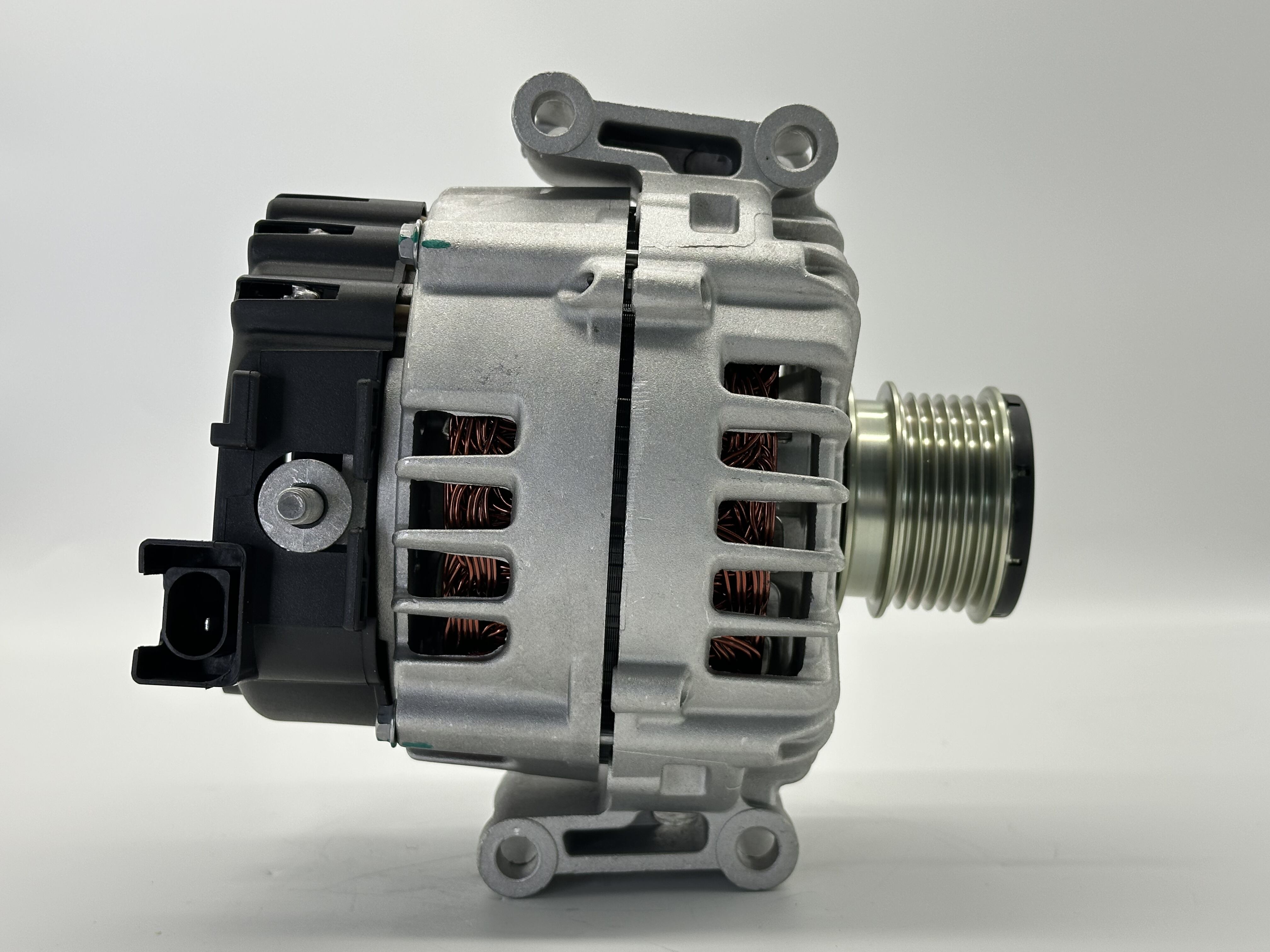
Understanding Vehicle Power Generation Systems
Modern vehicles rely on sophisticated electrical systems to power everything from essential engine components to luxury entertainment features. At the heart of this electrical ecosystem lies the car generator, a crucial component that transforms mechanical energy into the electrical power needed to keep your vehicle running smoothly. This remarkable device works continuously while your engine is running, ensuring your battery stays charged and all electrical components receive the power they need.
Core Components and Operation Principles
Essential Parts of a Vehicle Generator
The car generator consists of several key components working in harmony. The rotor, a spinning electromagnetic core, works alongside the stator, which contains copper windings where electrical current is induced. The voltage regulator ensures consistent power output, while the rectifier converts alternating current (AC) to direct current (DC) for the vehicle's electrical system. These components are precisely engineered to withstand the demanding conditions under your vehicle's hood.
How Modern Generators Create Electricity
The process begins when your engine starts running. The serpentine belt connects to the car generator's pulley, causing the rotor to spin within the stator assembly. This mechanical rotation, combined with electromagnetic principles, generates electrical current. The sophisticated design of modern generators ensures high efficiency, converting up to 70% of mechanical energy into usable electricity.
Evolution of Automotive Generator Technology
From DC Generators to Modern Alternators
The history of car generators reflects the rapid advancement of automotive technology. Early vehicles used basic DC generators, which were less efficient and required more maintenance. Modern alternators, technically a type of car generator, represent a significant leap forward in design and efficiency. These newer systems can produce more power at lower engine speeds, meeting the increased electrical demands of contemporary vehicles.
Smart Charging Systems
Today's car generator systems incorporate smart technology that adapts to varying electrical loads. Variable voltage control, regenerative braking integration, and intelligent power management systems work together to optimize power generation and fuel efficiency. These advanced features help reduce engine load when full charging capacity isn't needed, contributing to better fuel economy.
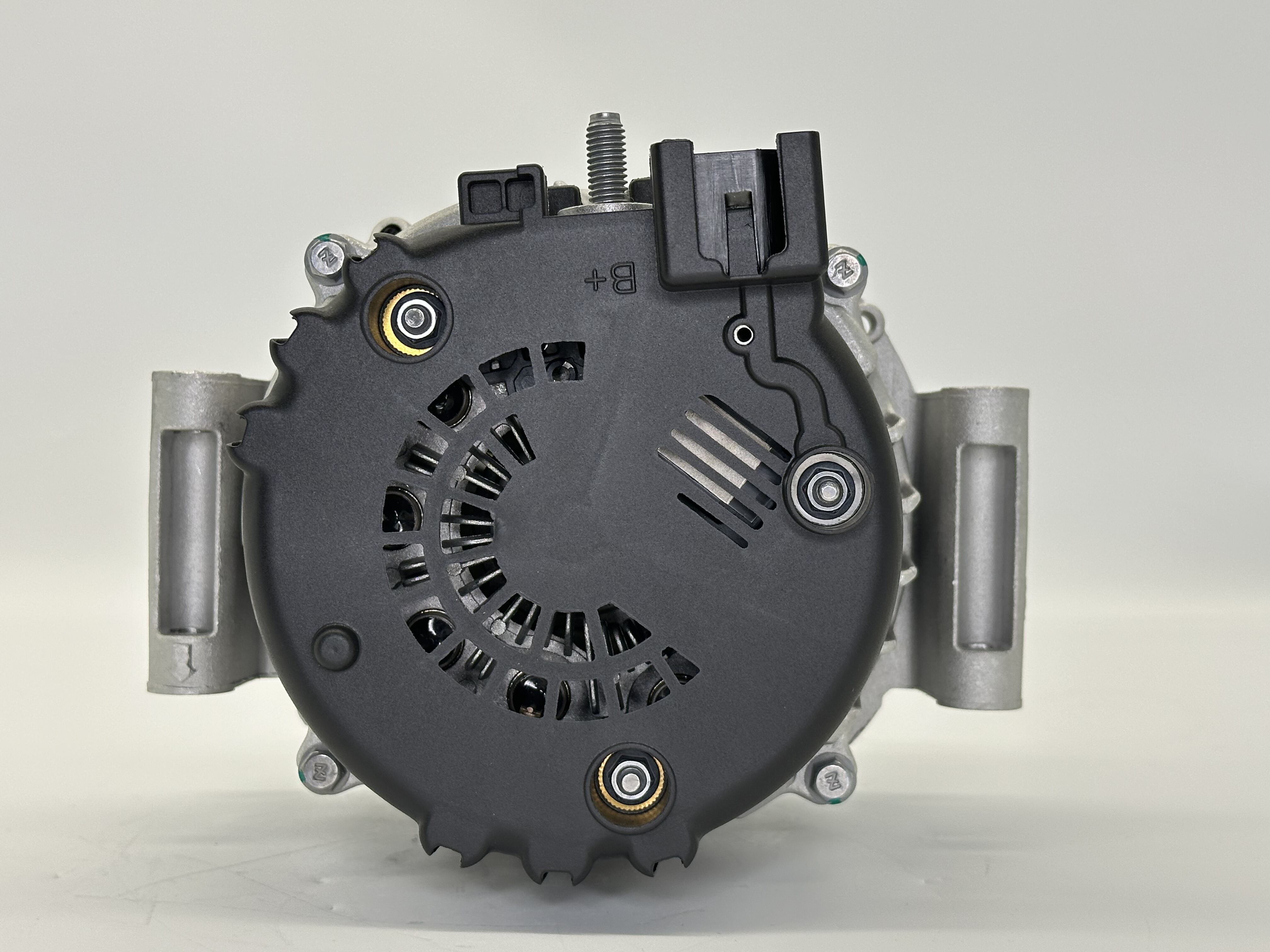
Maintenance and Performance Optimization
Signs of Generator Problems
A failing car generator can exhibit several warning signs. Dimming headlights, particularly when multiple electrical accessories are in use, often indicates generator issues. Battery warning lights, unusual noises from the engine bay, and frequent battery deaths are other common symptoms. Regular inspection of the generator's belt tension and overall condition can prevent many common problems.
Preventive Maintenance Strategies
Maintaining your car generator involves several key practices. Regular belt inspections ensure proper tension and condition, while keeping the unit clean prevents debris accumulation that can affect cooling and performance. Professional testing of the charging system during routine maintenance can identify potential issues before they lead to roadside emergencies.
Impact on Vehicle Performance and Efficiency
Power Management and Fuel Economy
The car generator plays a crucial role in overall vehicle efficiency. Modern systems are designed to minimize parasitic power loss while ensuring sufficient electrical output. Smart charging systems can reduce generator load during acceleration or high-power demands, contributing to improved fuel economy. The integration with start-stop systems in newer vehicles demonstrates how generator technology continues to evolve for better efficiency.
Supporting Advanced Vehicle Features
Modern vehicles require more electrical power than ever before. From advanced driver assistance systems to premium audio equipment, the car generator must supply consistent power to an growing array of electronic features. High-output generators are becoming standard equipment to support these increasing demands while maintaining system reliability.
Future Trends and Innovations
Integration with Hybrid Systems
The role of the car generator is evolving in hybrid and electric vehicles. These advanced systems often combine traditional generator functions with electric motor capabilities, allowing for enhanced energy recovery during braking and improved overall efficiency. The integration of power electronics and sophisticated control systems continues to push the boundaries of what's possible in vehicle power generation.
Emerging Technologies
New developments in materials and design are shaping the future of car generators. High-efficiency materials, improved cooling systems, and advanced power electronics are enabling more compact and powerful units. The trend toward 48-volt electrical systems in vehicles is driving innovation in generator design, preparing for the increased power demands of future automotive technology.
Frequently Asked Questions
How long does a car generator typically last?
A well-maintained car generator can last between 80,000 to 150,000 miles. However, this lifespan can vary significantly based on driving conditions, maintenance practices, and the electrical demands placed on the system.
Can I drive with a failing generator?
While it's technically possible to drive briefly with a failing generator, it's not recommended. The vehicle will run on battery power alone until it's depleted, potentially leaving you stranded. It's best to address generator issues promptly to prevent unexpected breakdowns.
What causes a car generator to fail prematurely?
Several factors can lead to premature generator failure, including excessive heat, electrical overload, physical damage, and lack of maintenance. Regular exposure to water or road salt, worn bearings, and faulty voltage regulators are also common causes of early failure.